Recently, my dear friend Susan Coll asked me to speak to her novel-writing class about creating and developing characters, one of my very favorite topics. I was excited about the visit, but it occurred to me that Susan’s students had likely already heard much of what I had to say about the topic from her or elsewhere. I considered dusting off the character questionnaire I’d created for my undergraduate fiction writing students, but it seemed a little dry. Do we really need to know our character’s favorite movie candy is Milk Duds? I mean it’s nice, but can these details guide us into our characters’ psychic basements?
The beauty of an invitation to talk about craft is that it reminds me of what matters the most to me about writing, in this case the practice of drawing and breathing life into my characters. Only days before my class visit, I’d moderated a talk with Beth Ann Fennelly about her book, The Irish Goodbye: Micro-Memoirs. I still can’t get her piece “The Stories We Tell About the Stories We Tell” out of my mind.
In this story, Fennelly describes how unliked she felt during her stint teaching English in Silesia, a Czech Republic town, during her early 20s. Two decades later, she returns to this town only to discover that she’d inaccurately cast both the people she’d known and herself. She poses the question: “If we’re made up of the stories we tell about the stories we tell, who am I if a foundational story—a story I’ve used to motivate myself—has been mistranslated?”
Although I primarily write fiction, Fennelly’s question got me thinking about what happens when my characters suffer from my dead spots as defined by Dictionary.com: “Also called blind spot. An area in which radio or cell phone signals are weak and their reception poor.” Dead spots in writing reveal our outdated “foundational” narratives and biases.
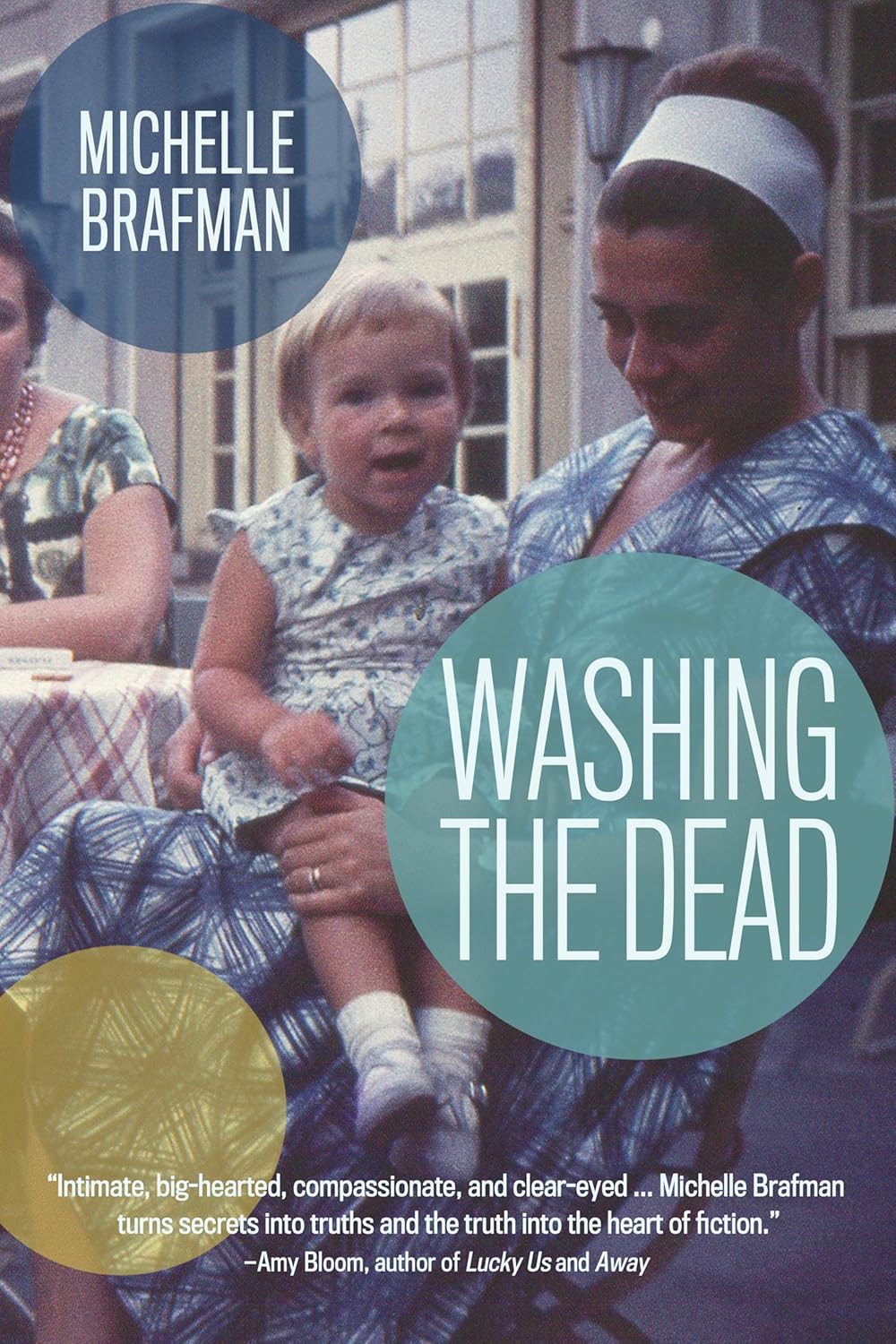
In the early drafts of my first novel, Washing the Dead, the story of a Jewish woman’s quest to return to her Orthodox community, my opinions about various customs infested my sentences. After I received too many rejections to count from publishers, a wise editor asked why my protagonist wanted to return to a spiritual home that she’d found so troubling. Well, she didn’t find the traditions troubling; I, the author, did. I had to own that I was talking for my character and in turn disrupting what John Gardner calls the fictional “vivid and continuous dream in the reader’s mind.”
One of the super smart students in my friend’s class asked me, “Is it okay for a character to have blind spots?” I say yes! Because Beth Ann Fennelly’s work is heralded for its insight and relentless self-honesty, she became more interesting to me as a narrator once she revealed her dead spot. In Emma Copley Eisenberg’s short story collection Fat Swim she writes of such unlikely pairings, “There is something delicious in putting two things that should be kept apart right up next to each other.”
I too find it delicious to craft a reliable narrator who gets stuck in a dead spot where they cannot “receive signals.” David Weinstein, one of the narrators in my forthcoming novel Draw Near to Me, is the ultimate listener. He’s a brilliant perinatologist with a God complex and superior bedside manner, yet he is entirely unaware that a piece of his mother’s history drove him to bring babies into the world. And he is even more unaware of the fact that his wife has cheated on him, or that she is addicted to love. On the contrary, his wife, trapped in a coma, can see into the future and the past with stunning, albeit periodic, lucidity.
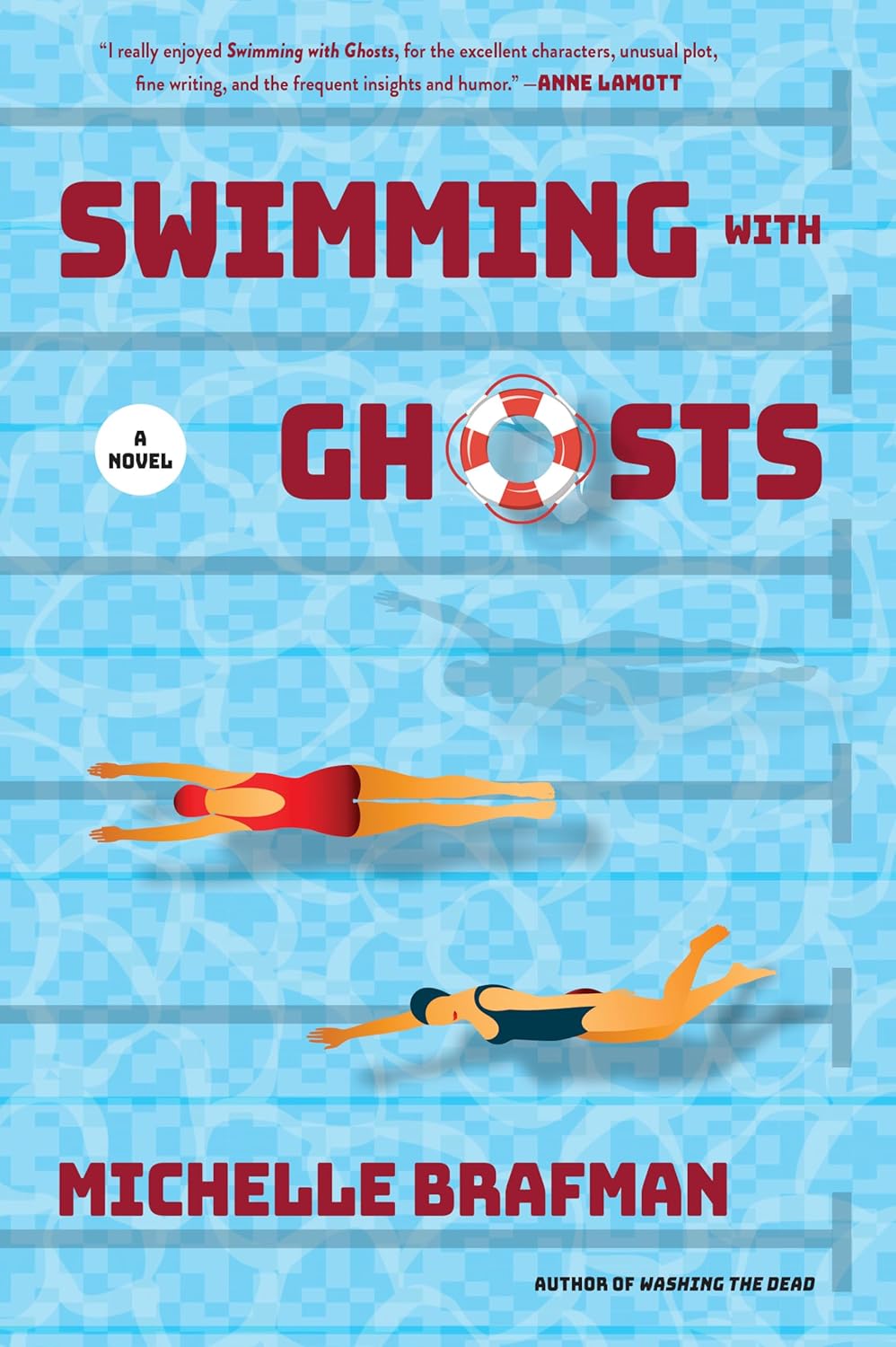
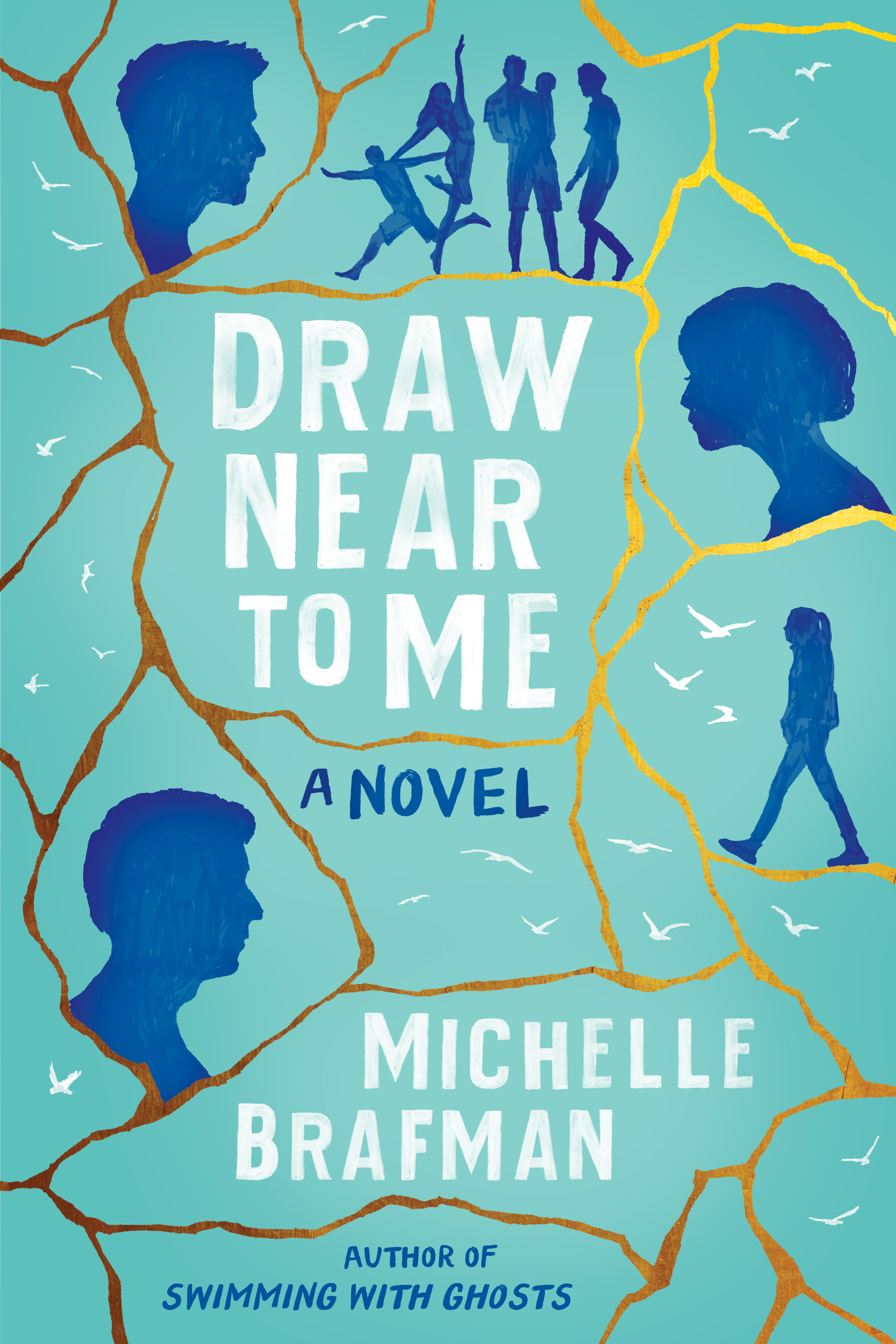
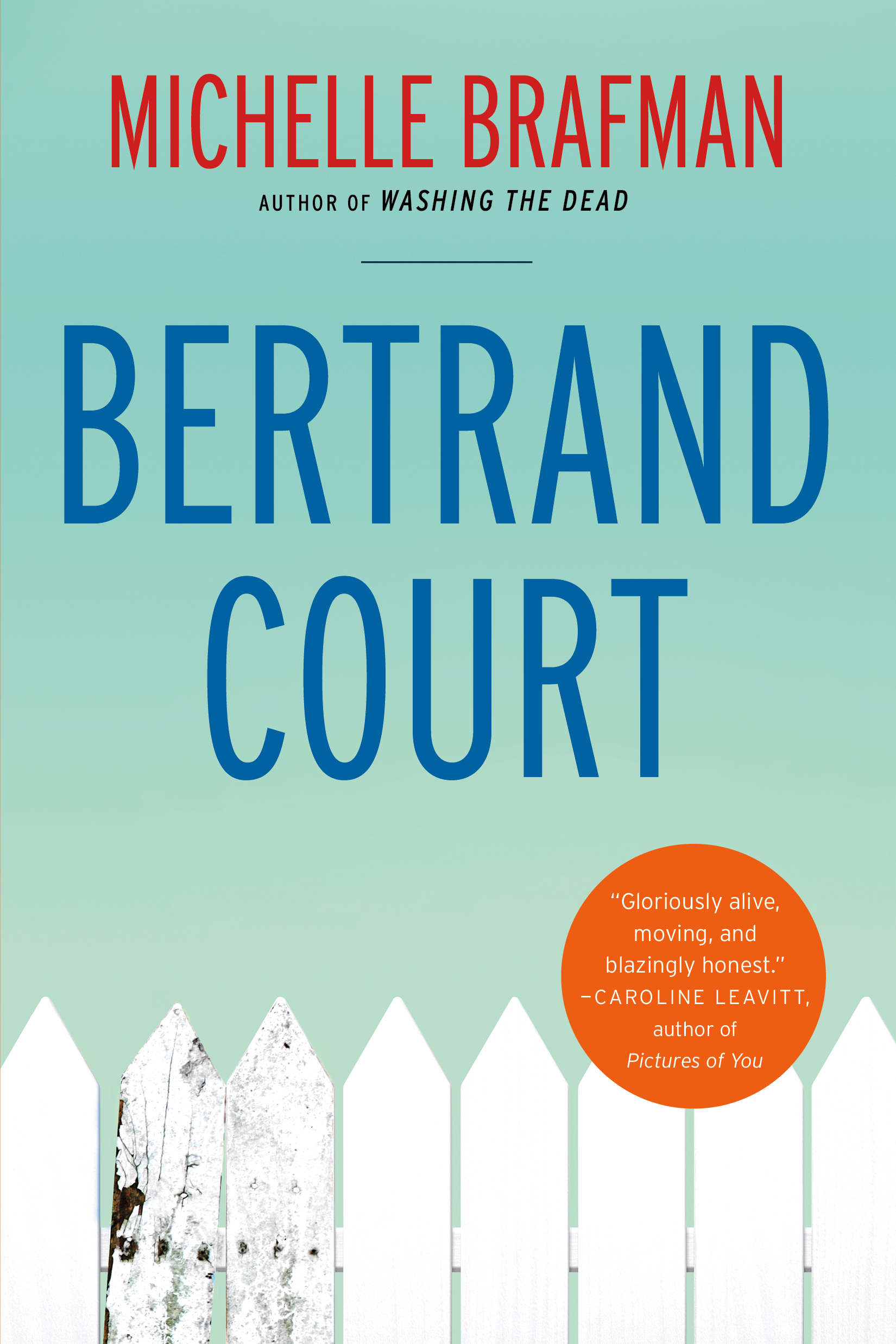
My fascination with such “delicious” inconsistencies has driven me to write linked short stories (Bertrand Court) and now a series of novels (Swimming with Ghosts and Draw Near to Me) titled The Swan Dive Series. Both books in the series feature four to five narrators, revealing a panoply of perspectives on all the characters—their messes, dead spots, and miscommunications. In writing Draw Near to Me, I had the most fun creating the almost omniscient Rabbi Michael Pines, a hospital chaplain who can observe and feel what others can’t. Spoiler alert: we’ll be hearing more about Rabbi Michael’s fallibility in the third installation of The Swan Dive Series.
Maybe writing a complex, compelling character is about seeing—for them, through them, and then letting them go, dead spots and all. As writers, though, it’s best to check the mirror first for our own.
You can buy these and many other books I’ve featured at my Bookshop.org store. Purchases help fund this blog. https://bookshop.org/shop/openbook
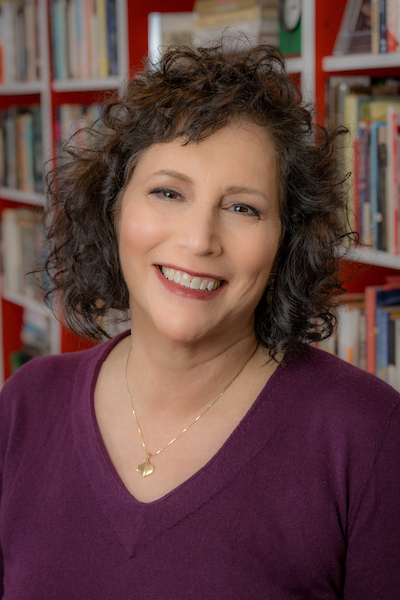
Michelle Brafman is the award-winning author of the novels Washing the Dead, Swimming with Ghosts, and Draw Near to Me, and the linked short story collection Bertrand Court. Her essays and short fiction have appeared in Oprah Daily, Slate, LitHub, The Forward, Tablet, and elsewhere. She teaches fiction writing at the Johns Hopkins University MA in Writing Program and lives in Glen Echo, Maryland. Learn more at http://www.michellebrafman.com.

