May was a good reading month. I read several well-crafted and satisfying books, three of which I review here. Another, Tata by Valerie Perrin, is coming out in late June, so I’m saving the review for later this month. And a couple were backlist books that I’ll probably post along with my review of Tata. (Nobody wants to read more than a thousand words at once, and these three reviews are getting close to that limit.)
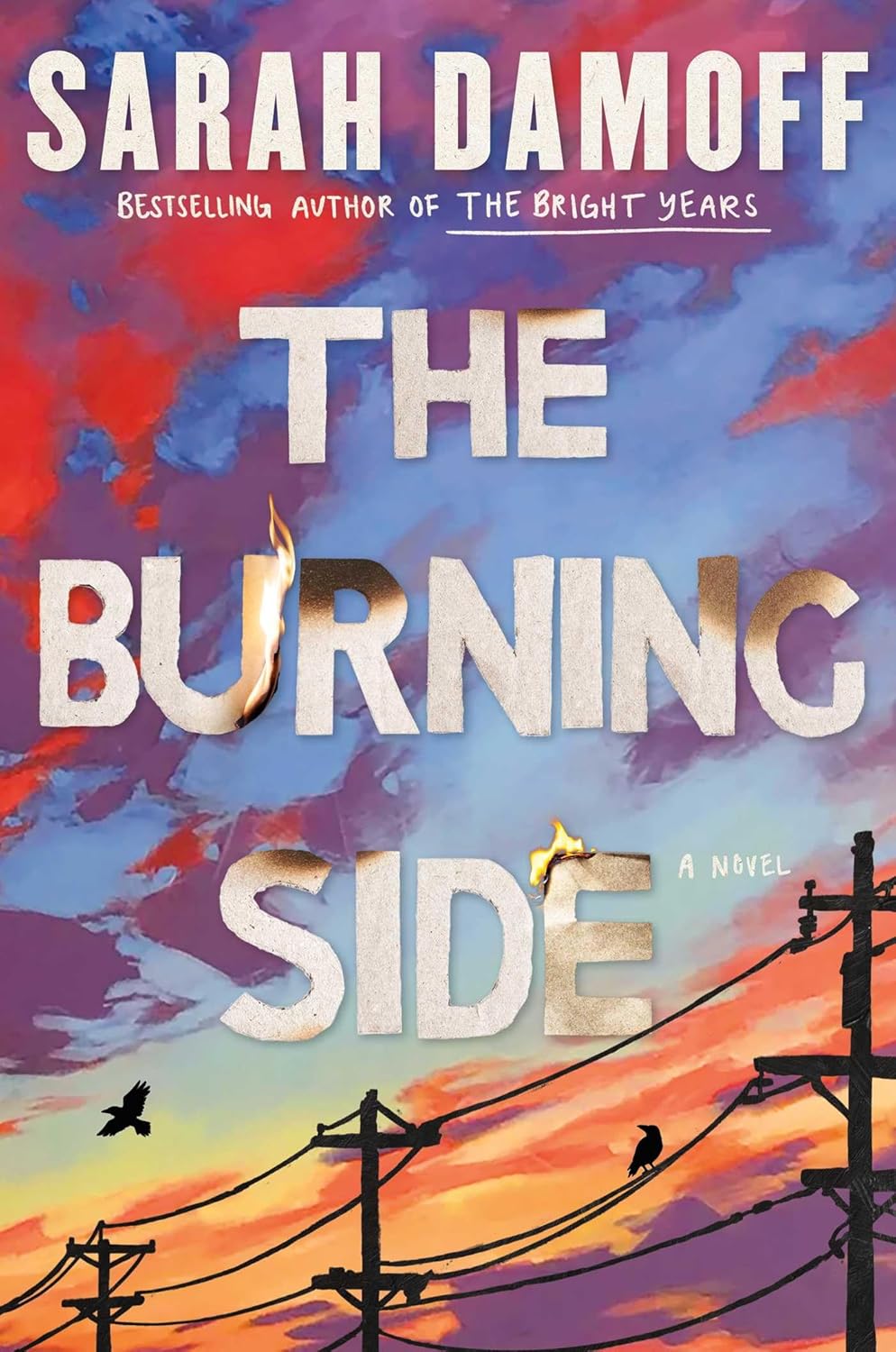
The Burning Side by Sarah Damoff (Simon & Schuster, May 19)
Sarah Damoff has made a big impression at the start of her career. Her debut, The Bright Years, was a big hit last year. She returns with The Burning Side, which mines similar themes of family, love, betrayal, and the weight of the past. Leo wants a divorce from April. Later that night, their house burns down. They are forced to move in with April’s parents, Deb and Billy. Proceeding with their separation and divorce is now complicated by several factors. The Burning Side is told in four narrative strands, from the perspectives of Leo, April, and Deb, as well as in flashbacks that cover their relationship. It also jumps around from 2022, when it begins, to 2013, 2020, and as far back as 1988, when Deb and Billy met and married.
Damoff handles characterization and dialogue well, and I liked these people at their best and understood them at their worst. But, like Charlotte McConaghy, she overloads her plots with too much melodrama and twists that I found realistic. Every character is dealing with trauma, whether shattered dreams, a broken heart, or self-esteem issues. On top of that, they each have a secret, or at least crucial information and experiences that they should have shared with their partner or family. It all comes to a head in the 2022 sections, when the house fire and another family member’s health issues come together to create a tangle of resentments, conflicting motivations, and hard compromises. Just as many people complain that a given book is 100 pages too long, I felt that The Burning Side was one or two plot lines too busy.
As with The Bright Years, I liked The Burning Side in spite of its flaws and would give it a solid B. I think Sarah Damoff has an A+ book in her and look forward to reading it someday.
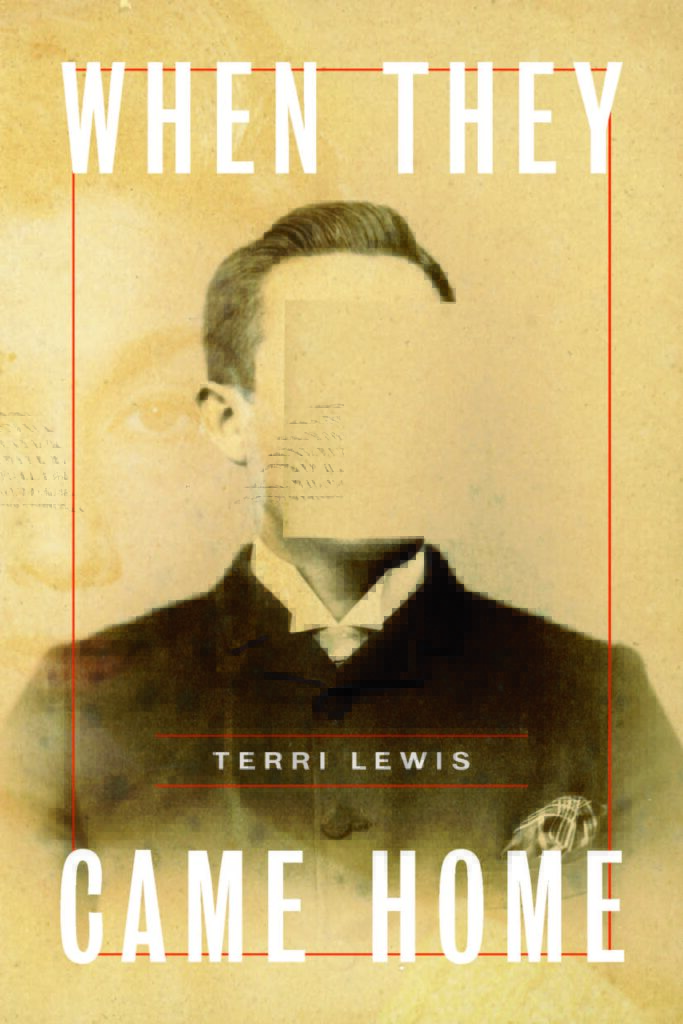
When They Came Home by Terri Lewis (Miami University Press, May 5)
One of the reasons I read books from university and indie publishers is that I have encountered so many outstanding books that I would hate to have missed. The latest indie book to knock me out is When They Came Home, a novella by Terri Lewis. It won the Miami University Press Novella Prize, chosen by Amina Gautier, one of the finest short story writers of the last 20 years.
Told in 19 short chapters running from the end of World War I in 1918 to 1950, it’s the story of Milton Fieth, a spirited Kansas boy who returns from the front with shell shock. Milton soon meets Edith, to whom he is attracted because she is solidly built both physically and emotionally and, despite his mental state, they eventually marry. There is every reason to believe he will shake off the haunting experiences from the war and become the chatty extrovert of his teen years. But that is not the case.
When They Came Home follows Edith as she tries to hold Milton and their family together over the next few decades. It is a greater challenge than either of them ever imagined. Lewis’s writing is calm and composed, while the events she describes are unexpected and often stormy. Her attention to detail in the physical and psychological realms creates an intimate tone that begins to pack and emotional punch as the chapters pass. In that sense, it reminded me of John Williams’ classic story of a college English professor, Stoner. This is a story of uncommon strength in the daily lives of Milton and Edith and their daughters Doris and Mildred.
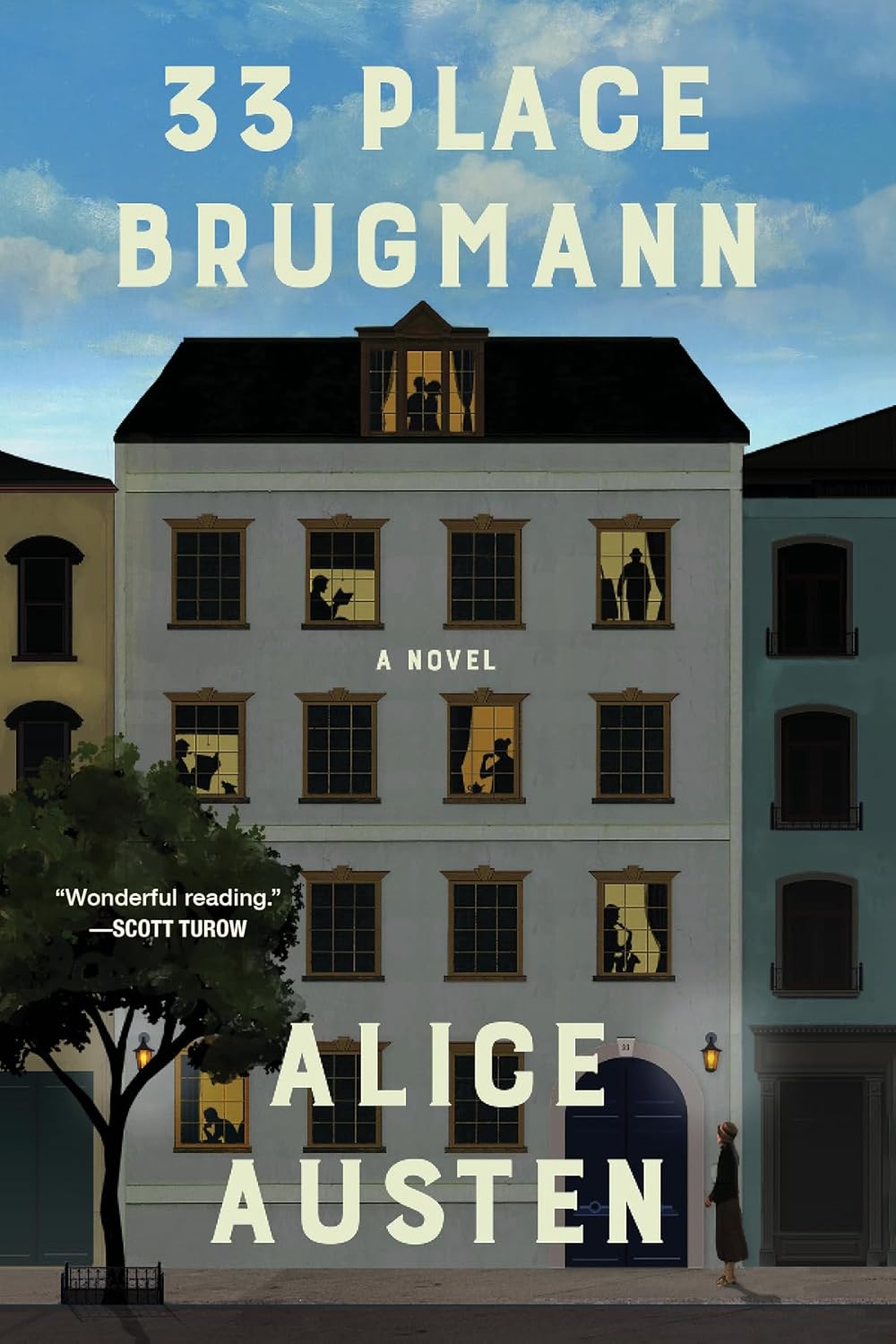
33 Place Brugmann by Alice Austen (Grove Press, March 11, 2025)
Alice Austen’s debut depicts the Nazi occupation of Brussels as experienced by the residents of one five-story building. Austen background as a filmmaker and playwright shines through in this tense story of four families, two elderly residents, and a single woman. Leo Raphael is a dealer of fine art; his son Julian is studying at Cambridge. Francois Sauvin is an architect whose daughter, Charlotte, is a student at the Royal Academy of Fine Arts. She and Julian Raphael are best friends. Colonel Warlemont is a widower, retired from the Belgian Armed Forces. Agathe Hobert is the building’s sneaky busybody. Attorney Martin DeBaerre lives with his wife Katrin and son Dirk, a student at Katholieke Universiteit in Leuven. Masha Balyayeva, a refugee and seamstress, lives in the 5th floor maid’s room.
The residents tell their stories in alternating chapters, creating a mosaic of experiences and impressions. As the Nazis tighten their grip on Brussels, the narratives become increasingly intertwined. Some residents are not what they appear to be. Sympathies run in more than one direction. Trust is built in some cases and shattered in others. More than one character joins the Resistance, playing a small role in a long chain of members and actions. Most importantly, each resident discovers their true character in the crucible of the war and Holocaust.
Ann Patchett called 33 Place Brugmann “a beautiful and deeply engaging novel” and Abraham Verghese described it as “a compelling a beautiful read.” You can trust their judgment.
You can buy these and many other books I’ve featured at my Bookshop.org store. Purchases help fund this blog. https://bookshop.org/shop/openbook

