Today’s guest author, Martha Anne Toll, is a literary and cultural critic, and a novelist. Her second novel, Duet for One, a musical love story and a journey through grief, was published in spring 2025 to acclaim. Her prizewinning debut novel, Three Muses, was published in 2022. She comes to writing after a long career in social justice. For more info, visit http://www.marthannetoll.com.
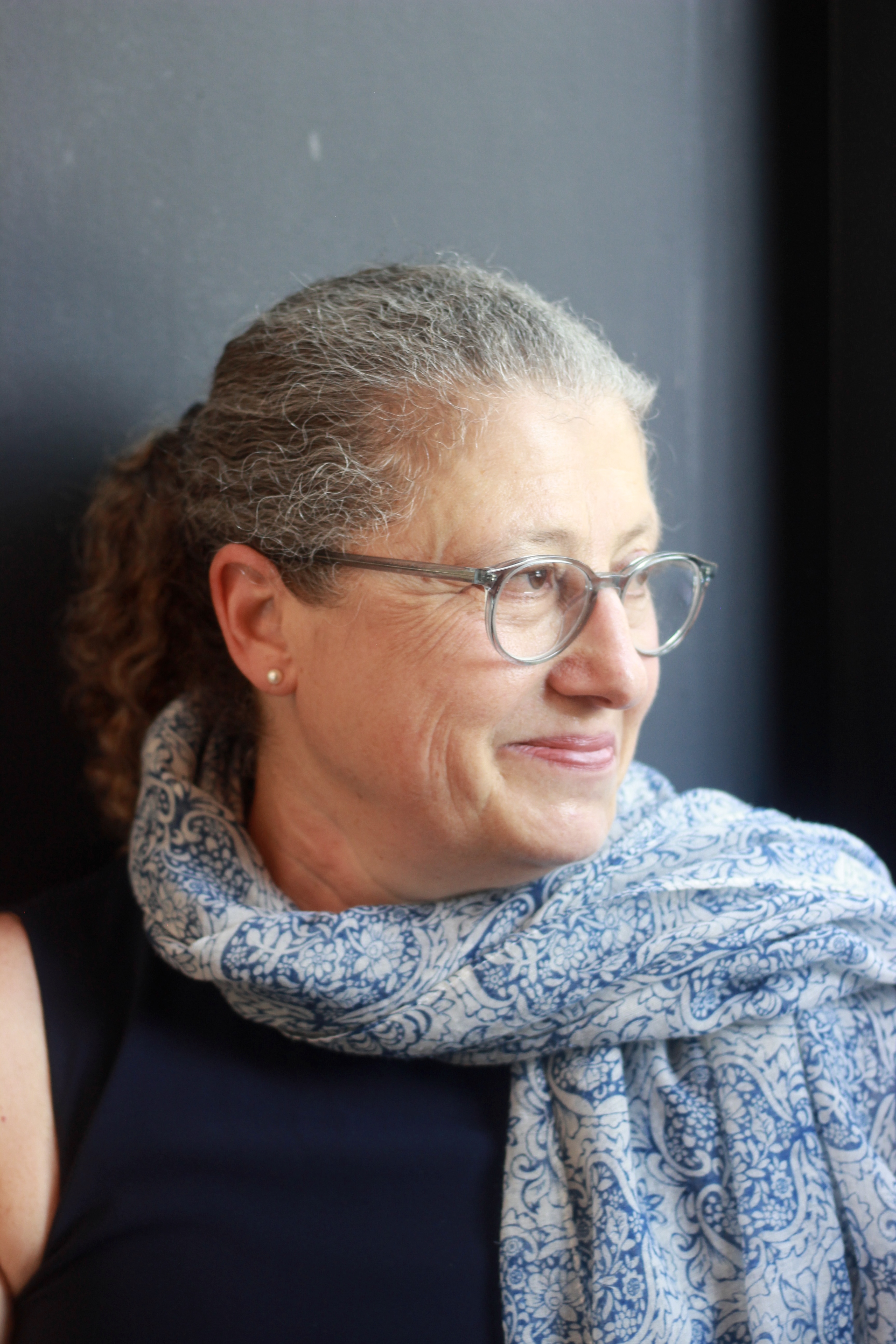
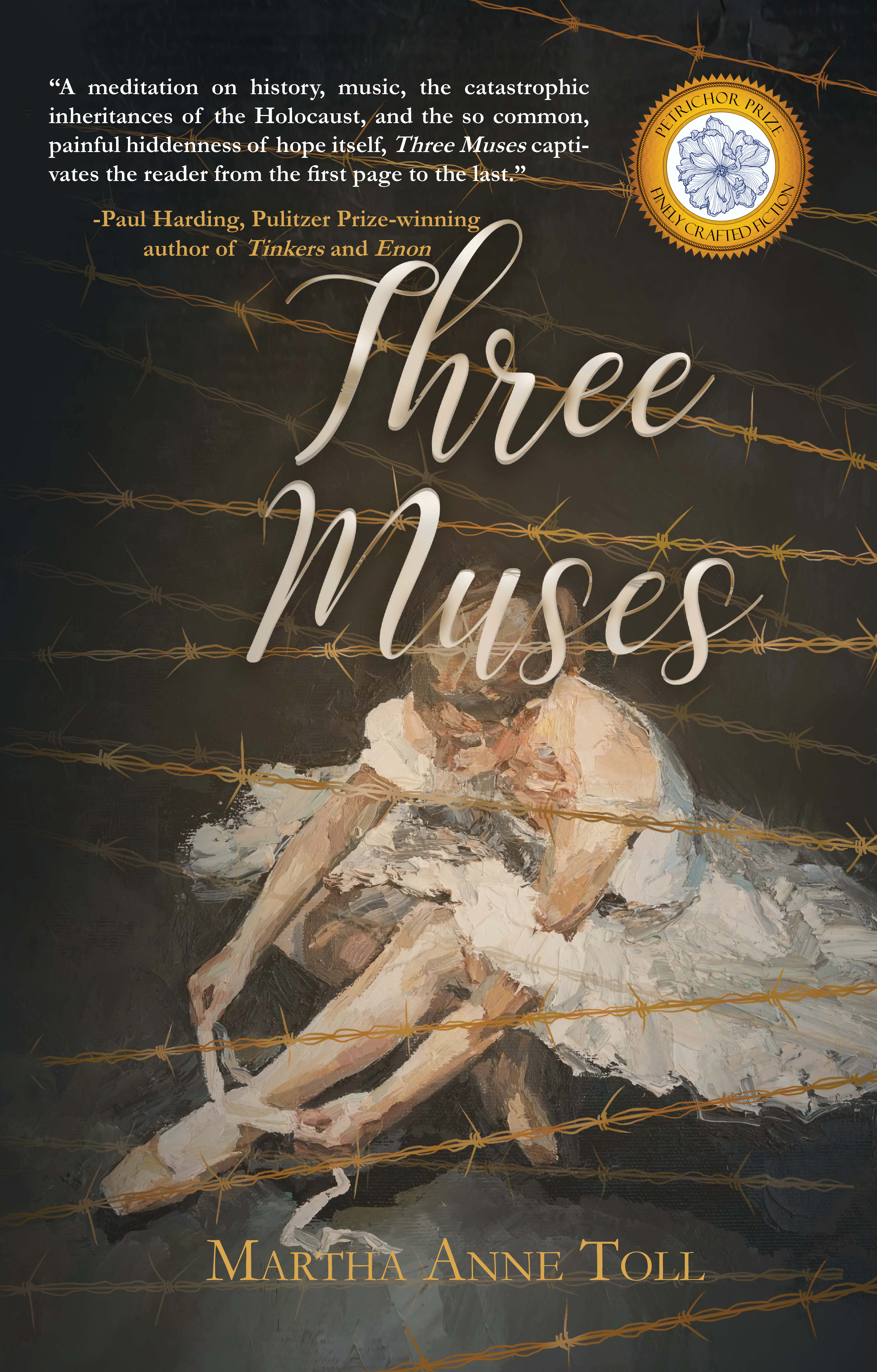
It’s no secret that it took almost 20 years to publish my first novel, Three Muses. Two-and-a-half years later, my second novel, Duet for One, came out. To say I am having the time of my life would be an understatement. To say it’s been hard work is accurate as well.
What’s next? I hope I get to experience a few what’s nexts. On my 20-year road to novel publication, I wrote continually. I finished novels and revised them, then revised them some more. I started new novels and began the revising process again.
As a result, I have two novels-in-process that are on very different subjects. It’s been a mystery how to proceed. I am an organized person, but I am not an organized writer. I spent decades as the CEO of a social justice organization in which my working days were filled with drafting outlines, meeting deadlines, being a policy wonk, and writing memos.
I find these skills to be of minimal use in fiction land. Outlines play no part in my creative life. Ditto for accountability practices, such as holding myself to producing so many words per day. A zeal for finishing things on a strict deadline can damage the finished product.
My writing process does not feel chaotic to me, but anyone else would disagree. I write novels from the inside out—starting in the middle with the germ of an idea or a scene—and working outward to both beginning and end. Beginnings are the most anxiety producing; after 2,000 or so tries, I finally wrote the beginning of Duet for One to my satisfaction while it was on the way to the printer.

The entire process is iterative. Scenes that I’ve spent weeks drafting litter the cutting room floor. Sections of the novel remain a hot mess until late in the game. Admonitions, typed in all caps, are strewn around my manuscripts, no matter what stage I’m in. Typical phrases include “FIX THIS!” or “TOO MUCH TREACLE” or “WHAT IS SHE ACTUALLY FEELING?”
Endings are only slightly less nerve-wracking. They change and contradict one another. I’ll try a happy ending that feels too pat or a sad ending that is so much of a downer that I can’t live with it. In a matter of seconds, I’ll excise an ending that’s been part of a draft for a year.
Of one thing, I am sure. I cannot work on two novels simultaneously. My mental real estate cannot take it. So, I’m left to rely on instinct. I don’t love that, because my instincts can go in wacky directions, but what choice do I have? Unfortunately, there’s no Great Editor in the Sky who can give me advice.
One of my novels-in-process is surreal—you might call it magical realism. At the same time, it is embedded in history. If that sounds like a contradiction in terms, it is a contradiction that poses hefty challenges. What happens when an eight-year-old girl gets stuck in canvas while having her portrait painted?
There are no answers to this question on Wikipedia or, heaven forbid, AI. Whatever weird plot twists I create must be credible on the page. I understand that readers will buy all kinds of premises if the writer is persuasive enough. The cow jumped over the moon? We didn’t know until we met Harry Potter that we are actually Muggles living in a wizarding world?
Yet how to persuade the reader? I’m still trying to figure that out.
The other novel-in-process has Maine as a central character. Place is the backbone of the book. I am exploring Betty Friedan’s the problem that has no name. How does a woman—an identical twin—come of age in the 1950s within harsh societal strictures? How do the twins’ paths diverge? Where do they create choice and meaning? What role love and loss?
Last autumn, I was lucky enough to attend an artist’s residency on Vashon Island, just off the coast of Seattle. I spent a glorious, rainy October-November there. My room was over the water, where the slosh slosh of tides and storms splashed beneath me.
I paid close attention to how I was feeling and leapt when my fictional twins and their adventures in Maine bubbled up. I had arrived with a completed draft of the novel, but I was unsatisfied with the structure. I took the month to focus on the architecture of the book, trying to craft a structure that would be seamless for the reader, but make sense for the story I was trying to tell.
Each novel demands its own structure, which is key to the smoothness and clarity of the reader’s experience. I don’t believe building a framework for a novel can be taught. On the other hand, it is one of the most important skills in fiction. I can’t offer advice. I can only say that I struggle with a sense of unease if the structure is off, and I must rearrange things and invent new scenes, and/or reorganize them, until I feel certain that I have a structure that holds the entire fictional enterprise in place.
And so, at this phase in my writing life, my mental real estate is set on the coast of Maine, immersed in plot and character and structure. I don’t know when this book can be published or quite what the finished product will look like. I do know that I’m happy to be traveling on this particular novel’s journey.
Finally, and by the way. Years ago, I started a memoir which sticks with me like chewing gum on a shoe. What am I going to do with it? I have no idea how to answer that question. Yet.

