I’m as susceptible as anyone to the allure of a newly-published book with lots of buzz. But I can’t read everything that catches my eye, so a lot of books end up being left behind. Before long, a year or two has passed and they’re “backlist” books. Or I missed a book when it was published and only discovered it later. In both cases, I eventually decide it’s time to read those books.
Here are three books from 2024 and 2025 that I wish I’d read sooner. If you missed them or lost track of them as the never-ending supply of new books continued to occupy your attention, maybe you’ll want to step off the buzz book treadmill and read them too.
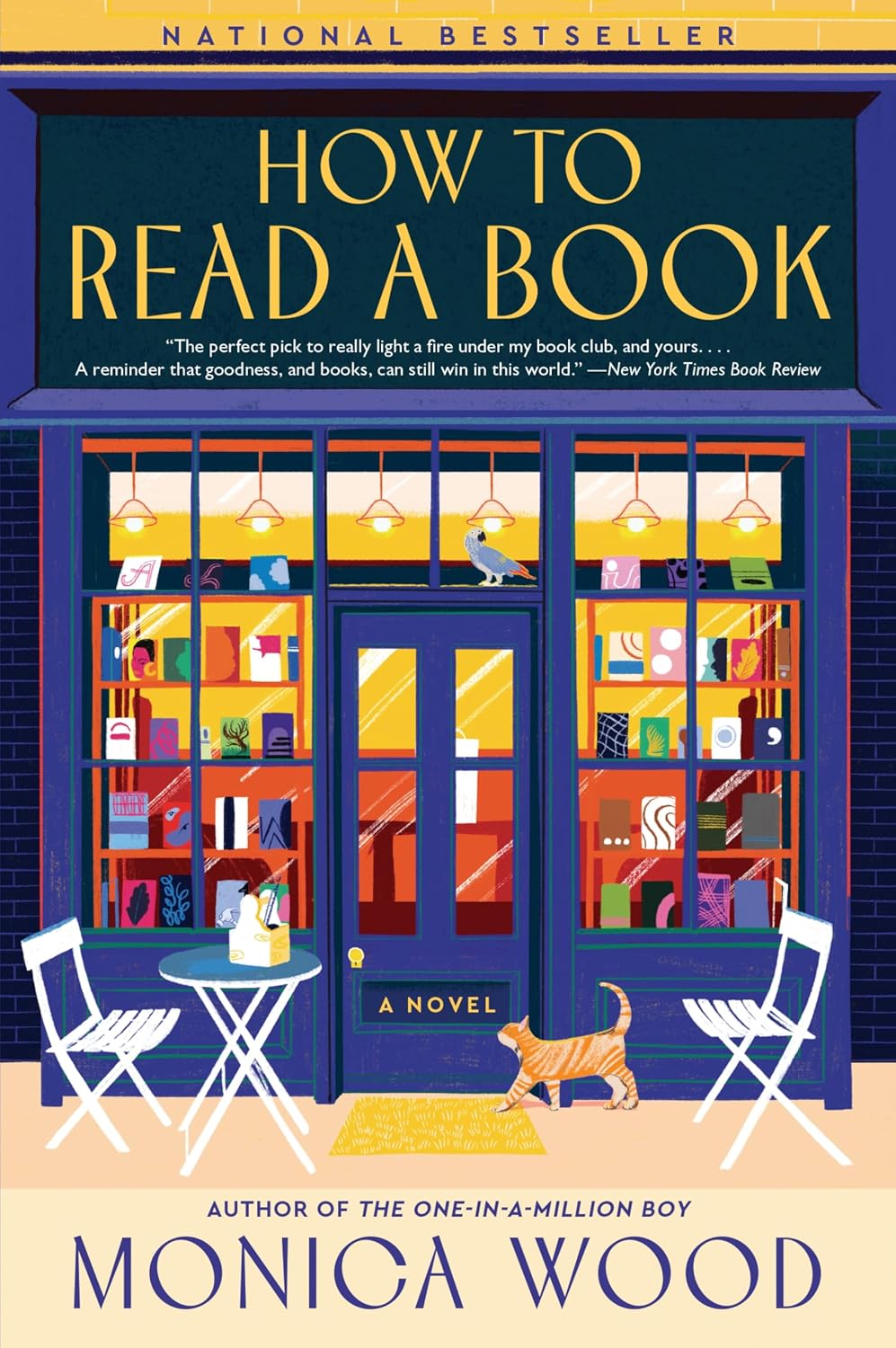
How to Read a Book – Monica Wood (Mariner Books, May 2024)
After reading some heavier fiction, How to Read a Book was the perfect change of pace, although I wouldn’t call it light and frothy. It came out in 2024, but I don’t remember seeing anything about it (maybe I’ve just forgotten). But I saw a few posts about it on Instagram recently that piqued my interest.
It’s a big-hearted story of three people who are rebuilding their lives and reinventing themselves. Violet, 22, has just been released after two years in prison for a drunk driving crash that killed a woman. Harriet is a retired English teacher who leads a group of prisoners, including Violet, in a weekly reading group. Frank, a retired machinist, is the husband of the woman Violet killed.
Set in Portland, Maine, How to Read a Book is about found family, second chances, and the power of stories to help us make sense of our lives and give us hope. Like a Shakespeare “comedy,” it’s full of tragedy, frequent obstacles, and poor decision making, but the characters do eventually find a happy ending.
I liked Violet, Harriet, and Frank, as well as some of the supporting characters (Violet’s fellow prisoners and the bookshop staff), but I had decidedly unpleasant feelings about others (Violet’s sister and aunt, and one more whom I won’t identify so as not to reveal a spoiler). And yes, there are parrots in the story too. The epilogue surprised me and brought a tear to my eye.
As a bonus, you’ll learn about avian cognitive research and the important work done by machinists. And you’ll definitely want to read Spoon River Anthology by Edgar Lee Masters when you’re done.
If you liked Remarkably Bright Creatures, The Wedding People, and The Correspondent, I think you will enjoy How to Read a Book.
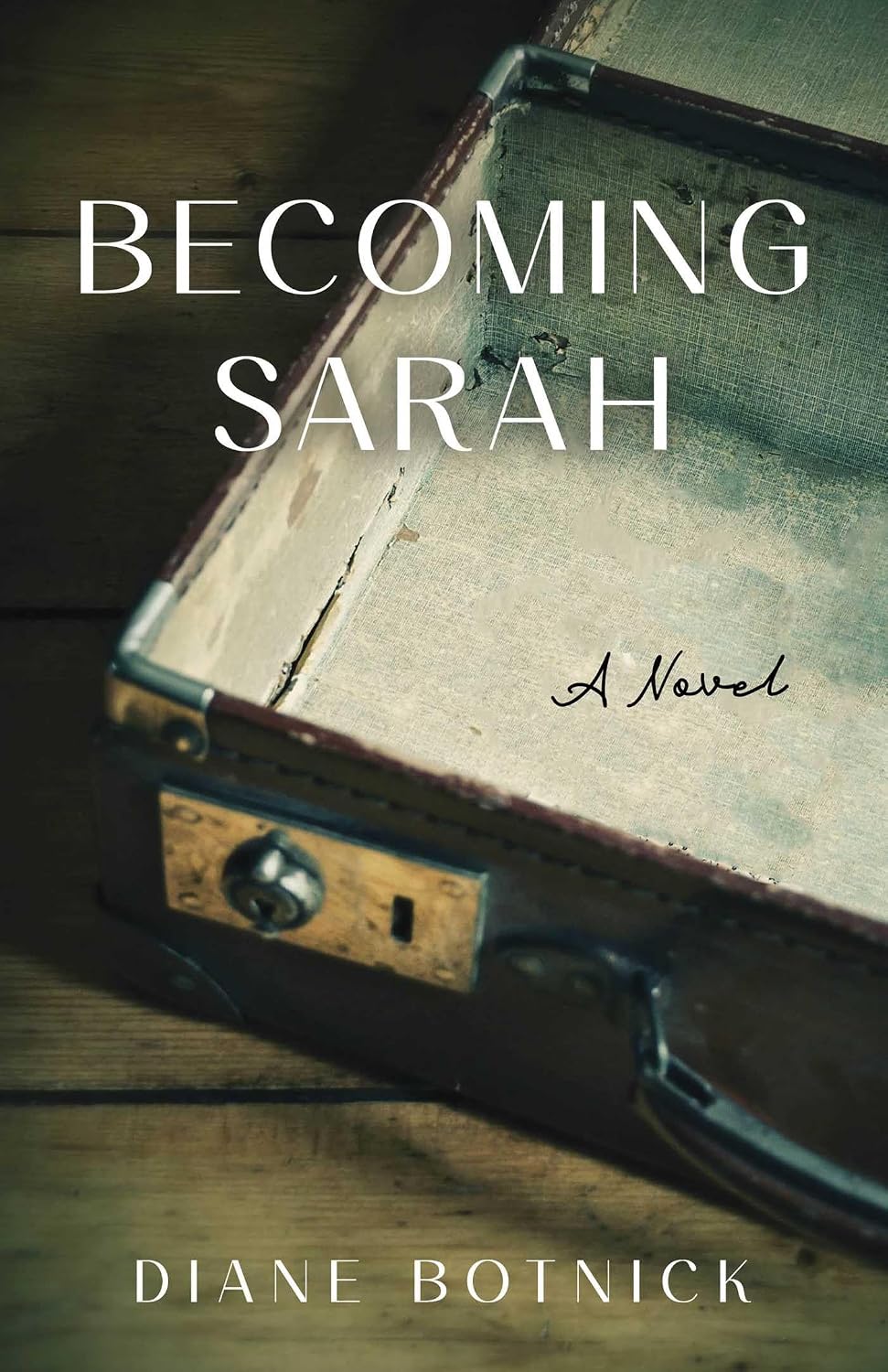
Becoming Sarah — Diane Botnick (Oct. 2025)
Sarah was born in Auschwitz in 1942 and was one of the handful of babies who survived (over 3,000 babies were born in Auschwitz but only 30 survived). She has no memory of her mother or her three years in the death camp. After liberation, she is adopted by a Christian family, who send her off to another family at age 15, where she faces a different type of trauma. Four years later, she flees and, through some fortuitous meetings, eventually makes her way to the U.S. With no family and a past she wants to forget, Sarah creates her life — and stories about her past — as she goes. She is determined and ruthless in her desire to build a stable life but has little skill in building relationships with others.
Becoming Sarah depicts Sarah’s life as the eventual matriarch of an American family and the way her traumatic beginnings affect all her relationships, especially those with her daughters and granddaughters. This is a finely etched portrait of a life of deprivation that is slowly redeemed. Much like her namesake, Sarah lives a long but difficult life. Diane Botnick follows the branches of Sarah’s family across a century, ending in 2045, allowing us to see what her struggles and occasional victories have achieved.
This is a book that deserves much more attention, both for its subject matter and the fine writing and characterization.
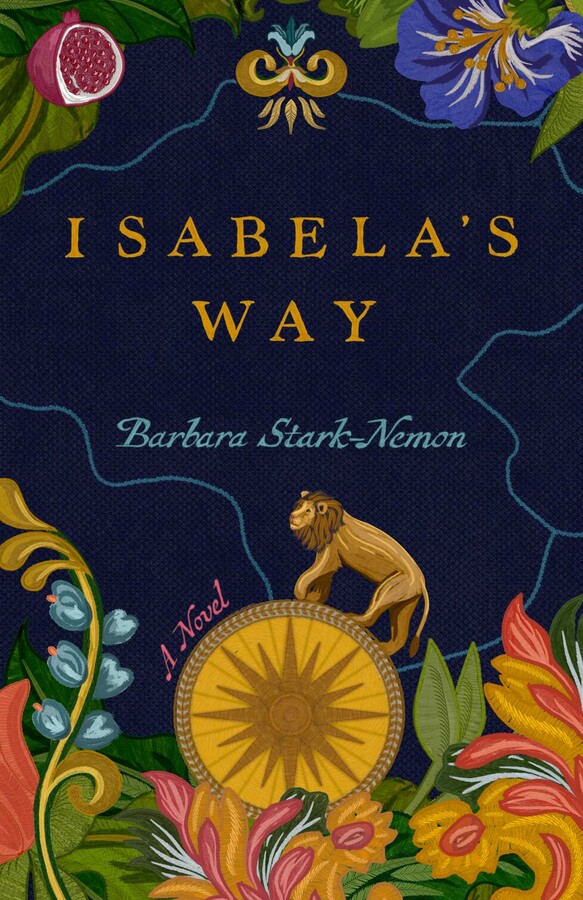
Isabela’s Way — Barbara Stark-Nemon (Sept. 2025)
While 1492 is best known as the year King Ferdinand and Queen Isabella sent Christopher Columbus across the Atlantic to find the East Indies, it’s also the year they expelled all Jews from Spain (they had established the Inquisition in 1478). The only other option for those who wanted to stay was conversion to Catholicism, but the government and Church hounded these conversos, believing they were practicing Judaism in secret. Isabela’s Way is set in the early 1600s, when the Inquisition came to Portugal.
Fourteen-year-old Isabela believes she is safe from the Inquisition. But her life changes when her father travels to Germany to set up a business venture and her mother dies of the plague. A strange woman visits her to deliver a message from her father: Trust this woman and the people who are going to help her join him in Germany. Before long Isabela is caught up in an underground railroad that is helping “New Christians” flee Portugal to safety. But she’s not just a passenger; her talent for needlework is needed for communication between the “secret Jews” and their conductors, both Jewish and Catholic. Isabela’s Way is a rich, absorbing novel that tells a story too few people know about. It’s a coming-of-age story, a suspenseful tale of resistance and determination, and a tribute to the unique culture of Portuguese Jews.


Thanks so much for this, Bill… an honor to be listed with these other two novels, both of which I loved!
LikeLike