
“‘Where’s Papa going with that ax?’ said Fern to her mother as they were setting the table for breakfast.”
Charlotte’s Web by E.B. White contains one of the most effective novel openings in my memory. We learn immediately that Fern’s father plans to kill a runt piglet. The first few paragraphs then encompass the entire theme, trajectory, and drama of the novel. They launch Fern’s attempt to save the pig’s life and establish the book’s concern with mercy, justice, and the inevitability of death. The novel reveals the transformative impact one individual can have on many—an inspiring message.
Another book that left its mark on me is The Diary of Anne Frank. Both my parents were born only six years before Anne, in 1923, but they lived through World War II. So, when I read this book as a young girl, I called to mind my parents and first contemplated the idea of their survival against great odds. The diary made me think. It showed me how one writer’s authentic words can touch millions. Yes, inspiring.
I also loved The Velveteen Rabbit by Margery Williams. It taught me that real beauty and value come from inner qualities—love, loyalty, and self-acceptance—not from being new, impressive, or perfect on the outside.
Those stories read in my youth stayed with me as I became a writer of stories.
My inspiration flows from deep, human-centered narratives— especially those that connect personal experience to broader moments in history. I look to the past where our perspective carries with it the wisdom of reflection and hindsight. It’s where I feel most confident as a writer.
I like to feature characters who have resilience, are socially conscious. My novels often include themes of identity, belonging, and the tension between individual lives and sweeping cultural change.
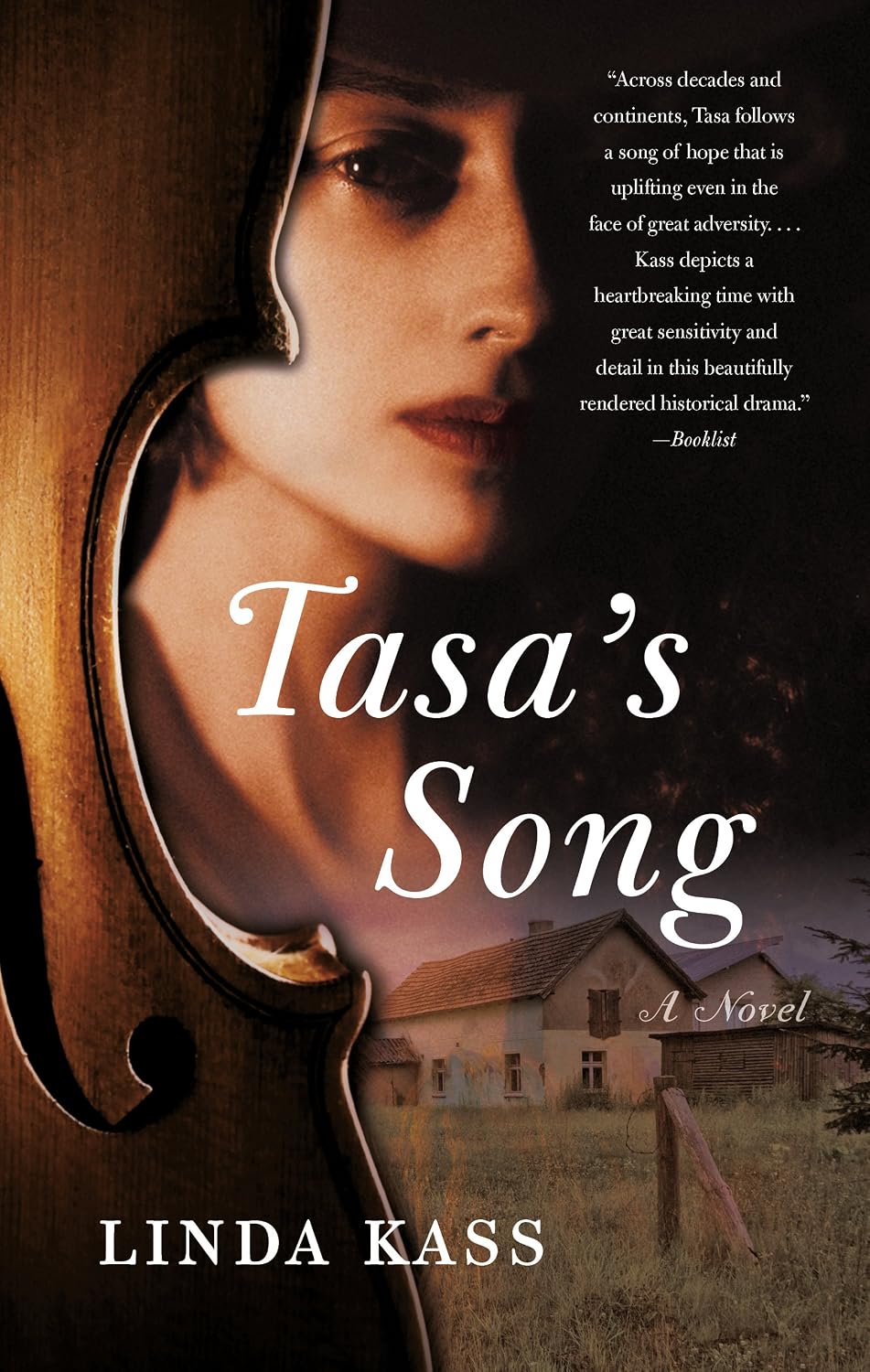
My first novel was shaped by my mother’s early life in eastern Poland. My protagonist is Tasa Rosinski who, at ten, dreams of someday playing her violin like Paganini. But after war breaks out and her swath of Poland falls under Soviet control, Tasa’s Jewish family becomes Communist targets and their secure world unravels. Tasa and five relatives escape their rural village—avoiding certain death—and find refuge in a bunker beneath a barn built by their longtime employee. Tasa’s Song celebrates the bonds of love, the power of memory, the solace of music, and the enduring strength of the human spirit.
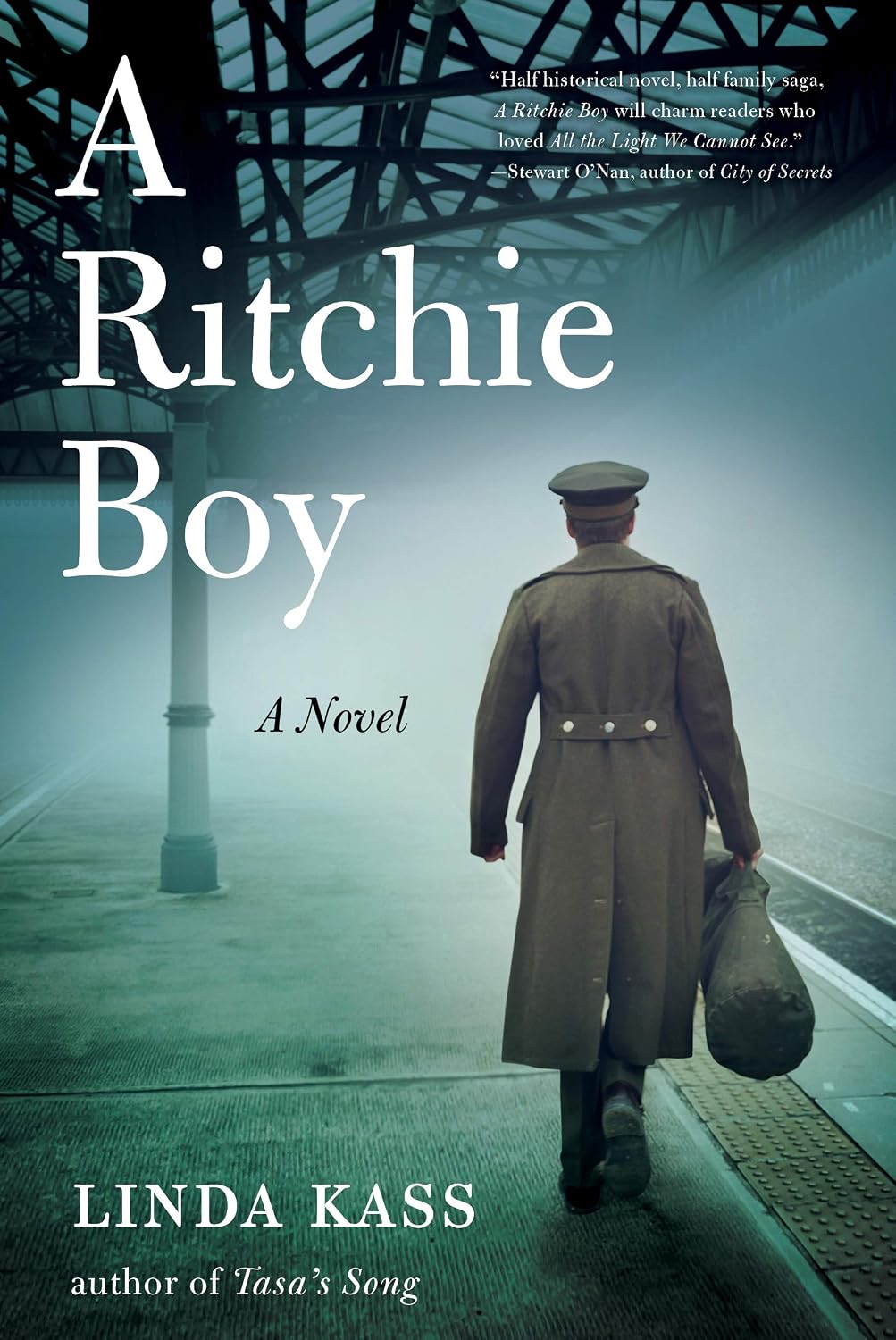
My father was the model for my second book, a novel-in-stories called A Ritchie Boy, a tale of the immigrant journey. Here my protagonist is Eli Stoff. At age 15 in 1938, he and his parents, Austrian Jews, escape to America just after the Nazis take over their homeland. Within five years, Eli enlists in the U.S. Army and, thanks to his knowledge of the German language and culture, joins thousands of others like him who become known as Ritchie Boys, young men who work undercover as military intelligence officers on the European front to help advance Allied victory.
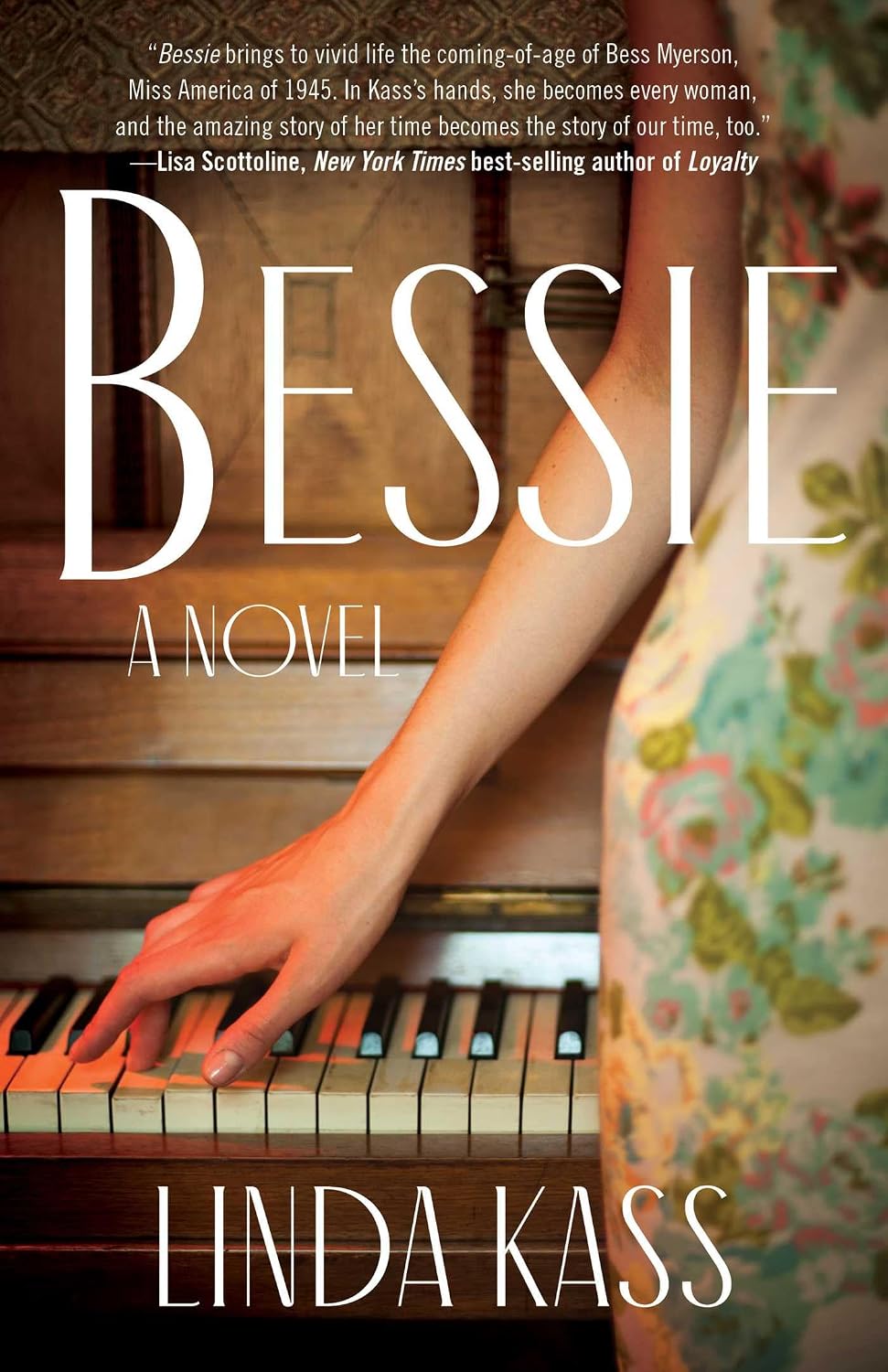
My most recent novel reimagines the young Bess Myerson, a Jewish girl from the Bronx whose parents are Russian immigrants. Just days after the close of World War II and despite the bigoted milieu at that time, she is named Miss America. While she becomes famous earning the crown at 21, her character contains multitudes: she’s a brilliant young scholar, a musical prodigy, and a woman who stands tall against the antisemitism, sexism, and injustice of her era. Bessie is a study of a bold young woman living at a precarious moment in our cultural history as she searches for love and acceptance, eager to make her mark on the world. The way she uses her voice for social justice is inspirational.
My forthcoming novel, World News from Waverley High, is a coming-of-age story set in 1969 at an urban high school in Columbus, Ohio. I chose to place the narrative during the Vietnam War, a period of rebellion and social change in this country that I experienced while a teenager.
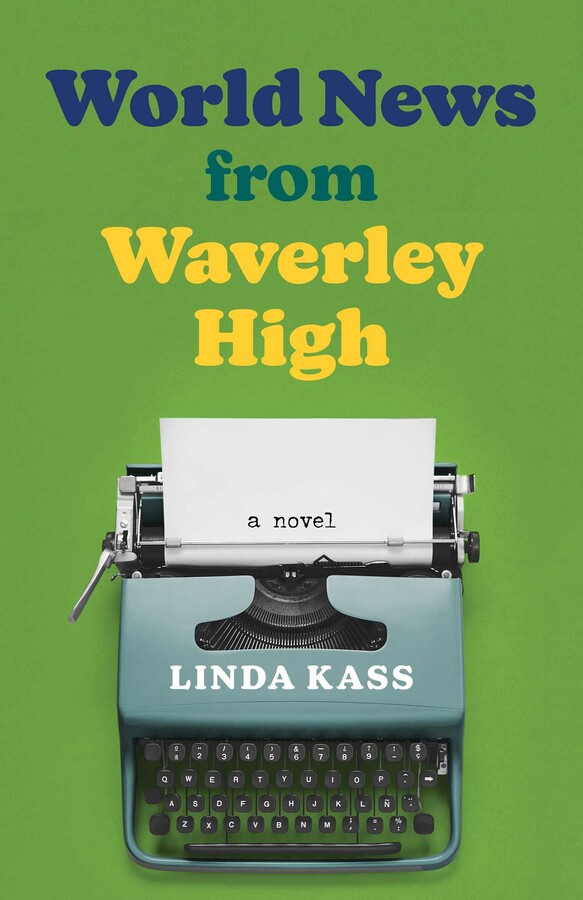
Our history is littered with conflicts that rarely ended with genuine reconciliation. Resentments were left to harden and pass from one generation to the next. Fear, mistrust, and the struggle for power defined these battles. World News from Waverley High is a tale of identity, activism, and finding your voice in a nation on fire through the lens of young adults filled with idealism and hope. It explores how high schoolers in 1969–1970 navigated a period full of uncertainty, division, and awakening—a time when protests over the Vietnam War, movements for racial justice, and shifting social norms all collided.
In many ways, those themes resonate strongly today and that was my reason for telling this story. Young people now are also coming of age during moments of social unrest, political polarization, and global upheaval. What connects the two eras is a sense of youth trying to find their voice amid widespread change. The details differ—the issues, technology, culture—but the emotional experience of questioning authority, demanding justice, and struggling to define one’s values under pressure feels timeless.
By looking back at 1969 to 1970, my new novel reflects how cycles of protest, reform, and renewal continue. It suggests that while history rarely repeats itself exactly, it often rhymes—and every generation must decide what kind of future to fight for.
If I look at what I’ve written—tales sparked by my parents’ survival, by Bess Myerson’s willingness to use her voice for good, by my formative years amid the cultural upheaval of the 1960s—I keep coming back to the notion of transformation under pressure: how people become who they are when the world forces them to make hard choices about justice, belonging, and truth.
Linda Kass is the author of three historical novels: Tasa’s Song, A Ritchie Boy, and Bessie. She began her career as a magazine journalist and correspondent for regional and national publications. She is the founder and owner of Gramercy Books, an independent bookstore in Central Ohio. Her forthcoming novel is World News from Waverley High, on shelves September 8.
Author photo by Lorn Spolter


Have enjoyed Linda’s novels so far, and looking forward to this one!
LikeLike