Short stories don’t receive the attention they deserve. Some readers dislike having to get oriented to characters, settings, and conflicts every 15 or 20 pages. And some find the tight focus and often unsettled conclusions dissatisfying. I found that the more stories I read, the better I became at appreciating the craft involved in writing short fiction and understanding writers’ tendency to not beat readers over the head to make their point.
I decided to highlight some of my favorite story collections, most of which didn’t get the publicity they should have (although a few received critical acclaim). Here are eight collections that are well worth your time. And if you’re not a fan of short stories, these books might change that.
This month (and beyond) I hope to read the following short story collections: Python’s Kiss by Louise Erdrich, Save Me, Stranger by Erika Krouse (which just won the Joyce Carol Oates Prize), But Where’s Home? by Toni Ann Johnson, Seeking Fortune Elsewhere by Sindya Bhanoo, The History of Sound by Ben Shattuck, Company by Shannon Sanders, Neighbors by Diane Oliver, Nobody Gets Out Alive by Leigh Newman, The Man Who Sold Air in the Holy Land by Omer Friedlander, and Vanished by Karin Lin-Greenberg.
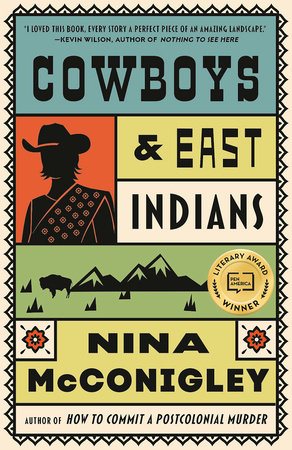
Cowboys & East Indians — Nina McConigley (originally published in 2013; reissued with new cover art by Vintage in January 2026 to coincide with the publication of McConigley’s debut novel, How to Commit a Postcolonial Murder)
Imagine standing out by virtue of your appearance when you want to blend in. Or being invisible because of that same appearance when you want to be noticed. That is the experience of many bicultural Americans; people view them as “different” because of their appearance when most of them are just as “American” — legally through citizenship and culturally through having been raised in the U.S. Nina McConigley explores this dual existence in the cleverly-titled Cowboys and East Indians, a collection of ten stories based on her experiences as an East Indian living in Wyoming. Where most fiction exploring the immigrant experience is set in urban environments, McConigley takes us to the high altitude, windy isolation and cozy cities of the least-populous state, a place most people would never expect to find Indian-Americans.
McConigley perfectly captures the duality of being pulled in two directions, the culture in which you were born and raised and the culture in which your parents and older relatives came from. In each of these stories, McConigley explores characters’ attempts to navigate through their home and outside lives. She also shows us that Indian-Americans are not a monolithic group with uniform positions on religious, social, and political issues. She drives home what should be an obvious point; while the white, Christian majority, with its limited knowledge of Indian-American life, simplifies them instead of realizing that they are as varied as the majority themselves. (We always imagine that others are not as unique as we are.)
McConigley’s characters are quirky, three-dimensional individuals who are working through strange places both literal and figurative. She writes with a pleasing blend of deep empathy, droll wit, and vivid descriptions of people and, especially, places. The unique nature of Wyoming makes it one of the most memorable characters in this collection.
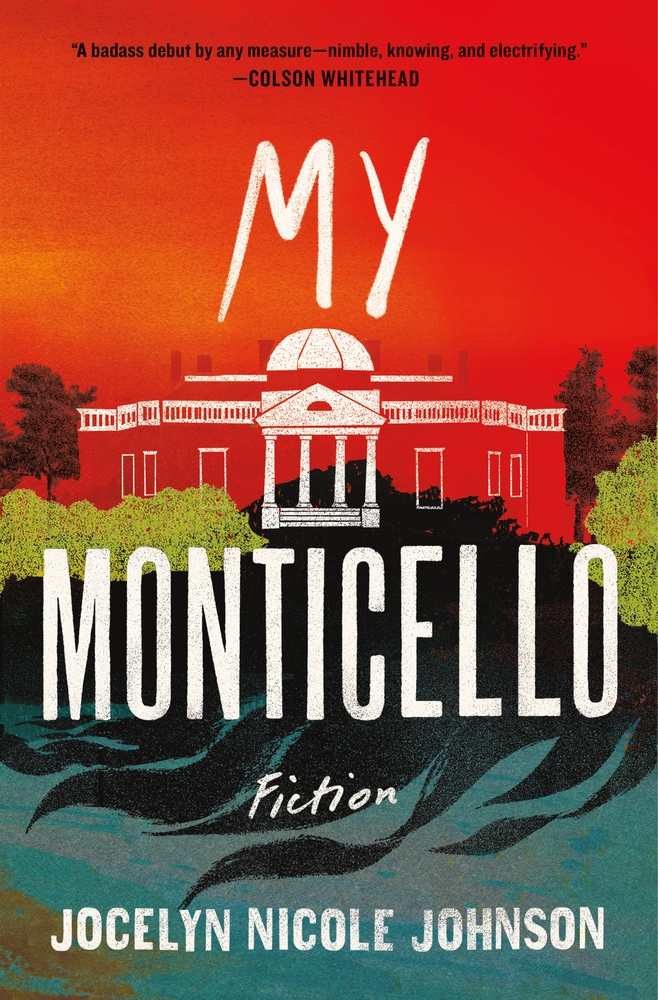
My Monticello — Jocelyn Nicole Johnson
My Monticello, comprising five short stories and the title novella, is a commanding performance by a “new” author in full possession of her writing powers. Johnson grabs your attention with the opening story, “Control Negro,” and holds it for the next 200 pages. In this story, a university professor has a child with a married grad student and decides to use their son as a sociocultural experiment, anonymously providing him with all the advantages of the “average American Caucasian male.” Not surprisingly, things don’t go quite as the professor planned.
The stories that follow aren’t quite up to that standard but nonetheless display Johnson’s range and talent. The heart of the book is the title novella, which is a riveting piece of quasi-dystopian fiction set a couple decades hence in Charlottesville. Taking the “Unite the Right” rally of 2017 as a starting point, Johnson imagines a societal breakdown that leads to white supremacist gangs taking over the city, forcing residents of color to flee. A group of sixteen mostly Black neighbors decides to head up to Monticello, using it as a fortress with a view to the violence below. Johnson writes with such empathy for her complex characters and the many challenges they face that the collection’s heart remains with you as much as its intellect.
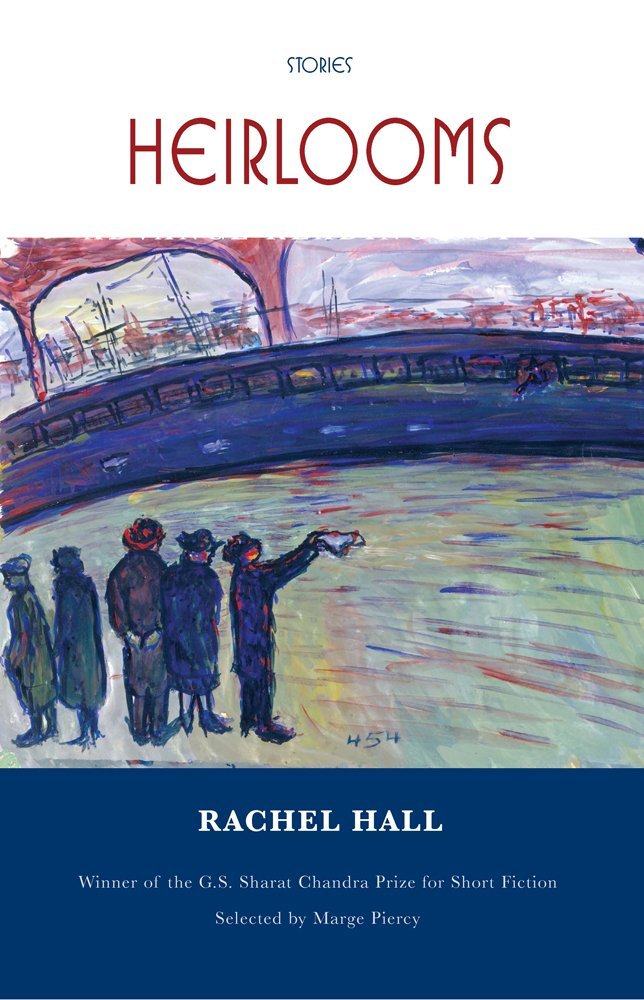
Heirlooms — Rachel Hall
Rachel Hall has used her family history as a springboard to a series of stories that follow four generations of a family from 1939 to 1989 and from France to Israel and the United States. In these beautifully written stories, the characters struggle to survive the war and Holocaust, adapt to displacement and life as refugees and, later, as immigrants to Israel and the United States. Each story packs a punch and the cumulative effect is both heartbreaking and inspirational.
Hall writes with sensitivity and a clear-eyed insight about the issues of familial, community, and national loyalty and duty, as well as faith and forgiveness, and loss and survival. The cumulative effect of reading these stories is akin to completing a puzzle. Individual stories reveal specific issues and experiences, but when the entire puzzle is finished, the result is something larger and more memorable. The title story is especially heartbreaking. The narrator details what the family is leaving behind as they depart France for the U.S. Furniture, of course. Clothes, personal belongings and mementos – simply too much to bring. But also family members buried across France, their friends, their language, and even strong, flavorful cigarettes. It’s not difficult to see why Heirlooms won the G.S. Sharat Chandra Prize for Short Fiction, judged by Marge Piercy. It’s a compelling and memorable collection.
You can buy these and many other books I’ve featured at my Bookshop.org store. Purchases help fund this blog. https://bookshop.org/shop/openbook
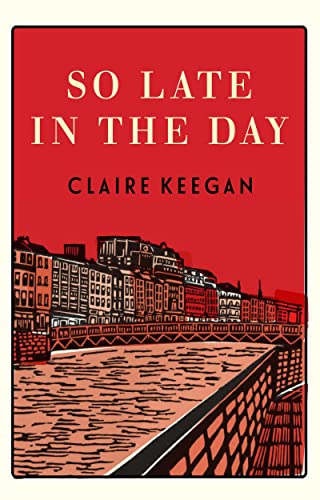
So Late in the Day — Claire Keegan
This mini-collection of three long stories should please fans of Claire Keegan who are clamoring for more of her distinctive work. The title story was published in The New Yorker in February 2022 and is the subject of a recent TNY podcast in which George Saunders analyzes what makes it a truly great story. https://www.newyorker.com/podcast/fiction/george-saunders-reads-claire-keegan
“So Late in the Day” introduces us to Cathal, working in his office, but distracted by some recent event, which his co-workers appear to know about. But everyone maintains a “stiff upper lip” and proceeds as usual. Keegan slowly reveals the source of his preoccupation and pain, performing a surgical dissection of a complex relationship.
The other two stories are from earlier collections. In “The Long and Painful Death” (from Walk the Blue Fields, 2008), a writer receives a retreat in Heinrich Boll’s former cottage on the Irish coast but has trouble getting to work. A visit from an opinionated German academic disturbs her peace and serves as the catalyst for her writing. “Antarctica,” the title story of Keegan’s 2001 collection, follows a married woman as she takes a weekend trip to shop and enjoy the thrill of taking a lover. But things do not turn out quite as she’d planned.
Keegan’s placid, elegant prose is a contrast to the stormy inner lives of her characters. She maintains tension and a sense of mystery as she carefully exposes the truth about these three “relationships.” Across 128 pages, she never makes a misstep in her prose or storytelling craft. Each story is a near-flawless diamond that rewards examination from many angles. If you haven’t read Small Things Like These or Foster, put them at the top of your TBR list.
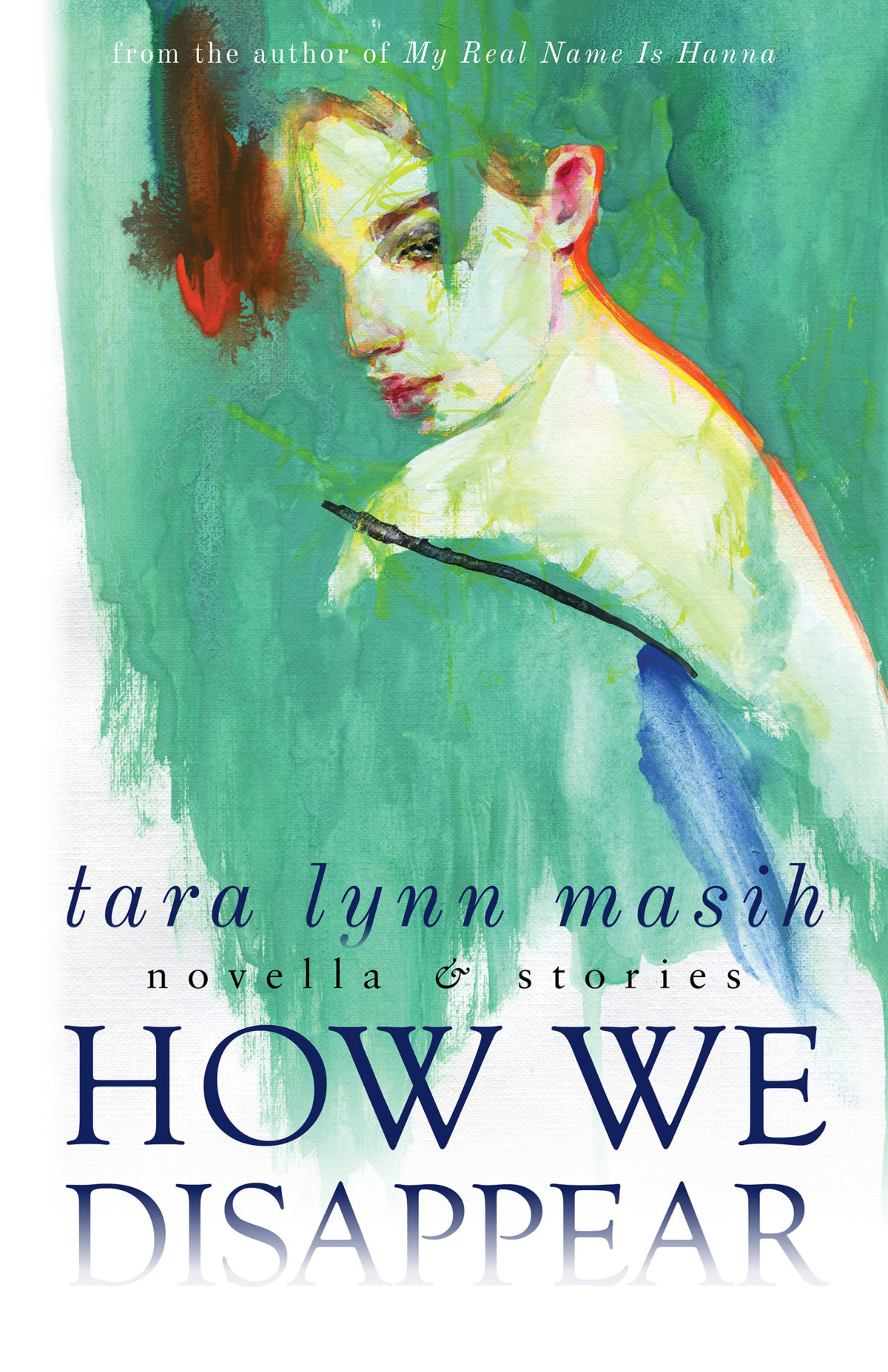
How We Disappear — Tara Lynn Masih
Tara Lynn Masih is a keen observer of the conflicts people face and the decisions they make, and she covers a lot of ground, literally and figuratively, in this collection of stories set in a wide range of times and places. Masih’s previous book, the YA novel My Real Name is Hanna, won the Julia Ward Howe Award for Young Readers and was a finalist for the National Jewish Book Award.
There is a sense of mystery and absence in most of these pieces. In the opening “What You Can’t See in the Picture,” a special investigator known as a super-recognizer uses an online database of photos and videos to search for a kidnapped girl. “Fleeing Gravity” follows an orphan of a Cree mother and White trapper who has visions and ultimately finds his place as the caretaker of a ghost town. In “Bird Man” the narrator’s father, a WWII pilot, crashed and died in Belgium, disappearing from her life when she was only three. Her mother told her that he was out there flying and would eventually return. Years later, she travels to Belgium and meets the elderly woman who adopted his grave 20 years earlier. “Agatha: A Life in Unauthorized Fragments” explores the legendary mystery writer’s famous 11-day disappearance in 1945 when her husband ran off with his longtime mistress.
It’s not unusual for adult children to become estranged from their parents. Sometimes it’s a psychological and emotional necessity, other times it’s simply the result of unfortunate events or misunderstandings. As the old saying goes, we don’t get to choose our family, and there’s no guarantee we will like each other, particularly as time goes on and we build separate lives.
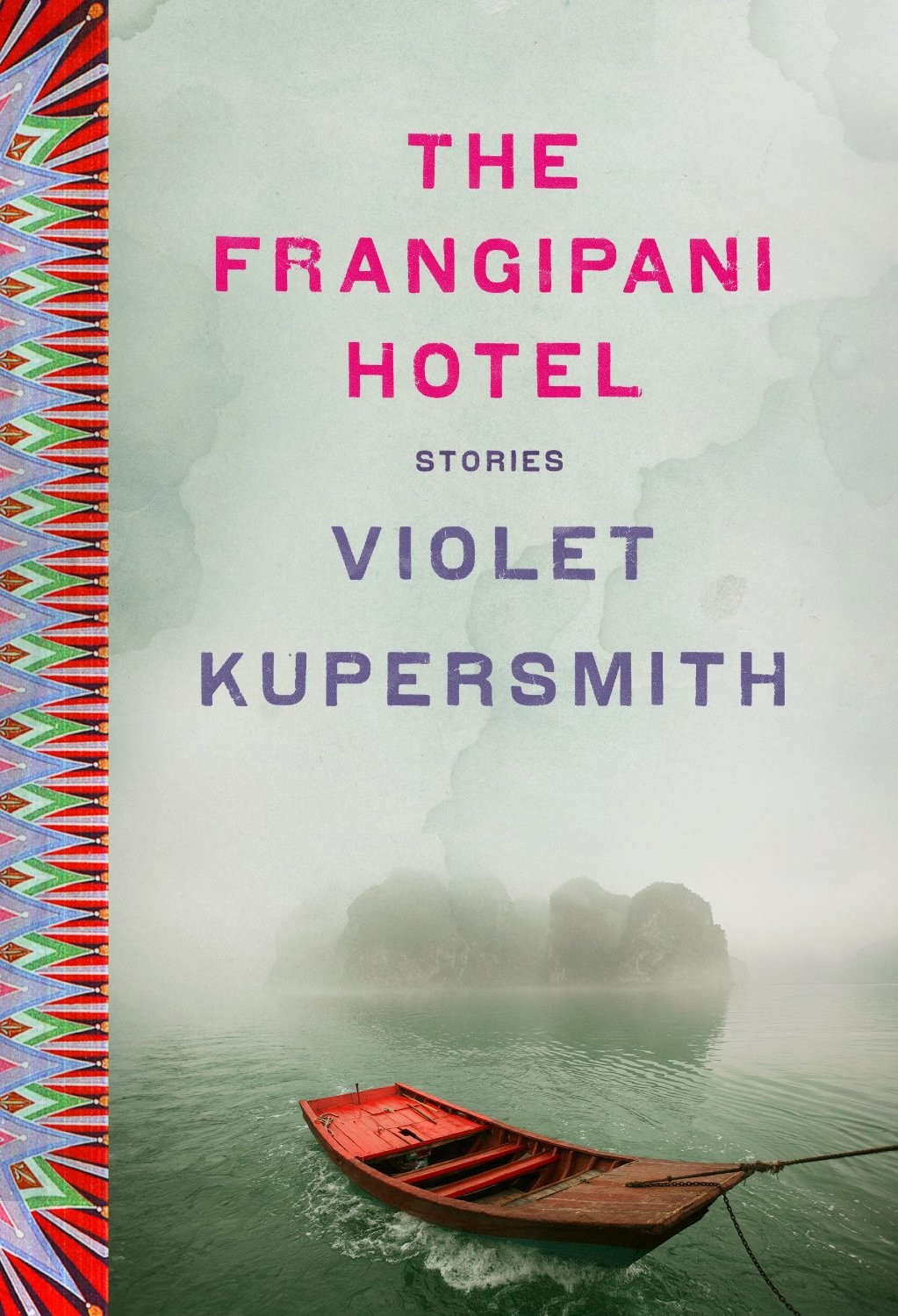
The Frangipani Hotel — Violet Kupersmith
Violet Kupersmith is the daughter of a boat refugee from Da Nang and an American father, who met in Houston, where many Vietnamese were resettled in the 1970s. Her bicultural upbringing eventually led Kupersmith, while a student at Mount Holyoke College, to begin writing stories about the experiences of her mother and grandmother, and the folk tales the latter told her. In The Frangipani Hotel, she has managed the impressive feat of seamlessly blending these timeless Vietnamese folk tales with a contemporary approach to storytelling. The result is eight stories that seem simultaneously ancient and modern. Although the stories are always intriguing, the collection’s strengths are its mood and voice. Kupersmith manages to maintain a sense of mystery and foreboding throughout the book’s 240 pages, holding the reader’s interest with stories that explore the parallel worlds of the real and the supernatural, and the frequent occasions on which they intersect. Whether set in the streets of Saigon and Hanoi — crowded with a cacophony of people, scents, and sounds — or the fecund Vietnamese countryside, these stories are sticky with the oppressive heat and humidity of Southeast Asia. But Kupersmith’s greatest gift is her facility with the voices of all these characters, young and old, Vietnamese and American, as they tell their stories within her stories.
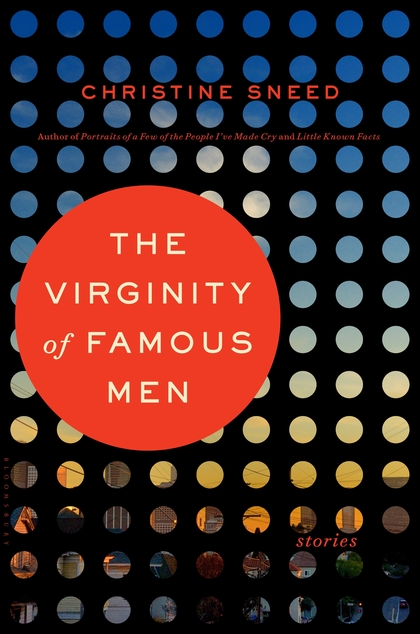
The Virginity of Famous Men — Christine Sneed
Christine Sneed is an astute observer of contemporary life, as she demonstrated in her debut collection, Portraits of a Few of the People I’ve Made Cry, and her 2015 novel, Paris, He Said, which dissected a complicated May-December relationship. In her latest collection, she probes the contrast between expectation and reality, and the many ways in which we fool ourselves about who we are, what we want, and the choices we make. The characters in these stories are flawed but recognizably human and they earn our compassion. And while Sneed exposes the truth about them, she clearly feels empathy for their all-too-familiar struggles. Small but irrevocable actions occur and lives are changed.
What really stands out in this collection is the range of Sneed’s content and style. “The All-New, True CV” shows off her skills in biting social commentary and satire. “The Prettiest Girls” follows a location scout to Mexico, where he encounters an aspiring actress who views him as a ticket to stardom. “Clear Conscience” immerses readers in a family drama centered on a particularly thorny ethical dilemma. The title story revisits the protagonist from Sneed’s debut novel, Little Known Facts, as he labors under the weight of his actor father’s legend and persona.
Sneed’s stories are serious and shaded, as if sketched with charcoal, but they move quickly, highlighted by her realistic dialogue and frequent insights into the human heart.
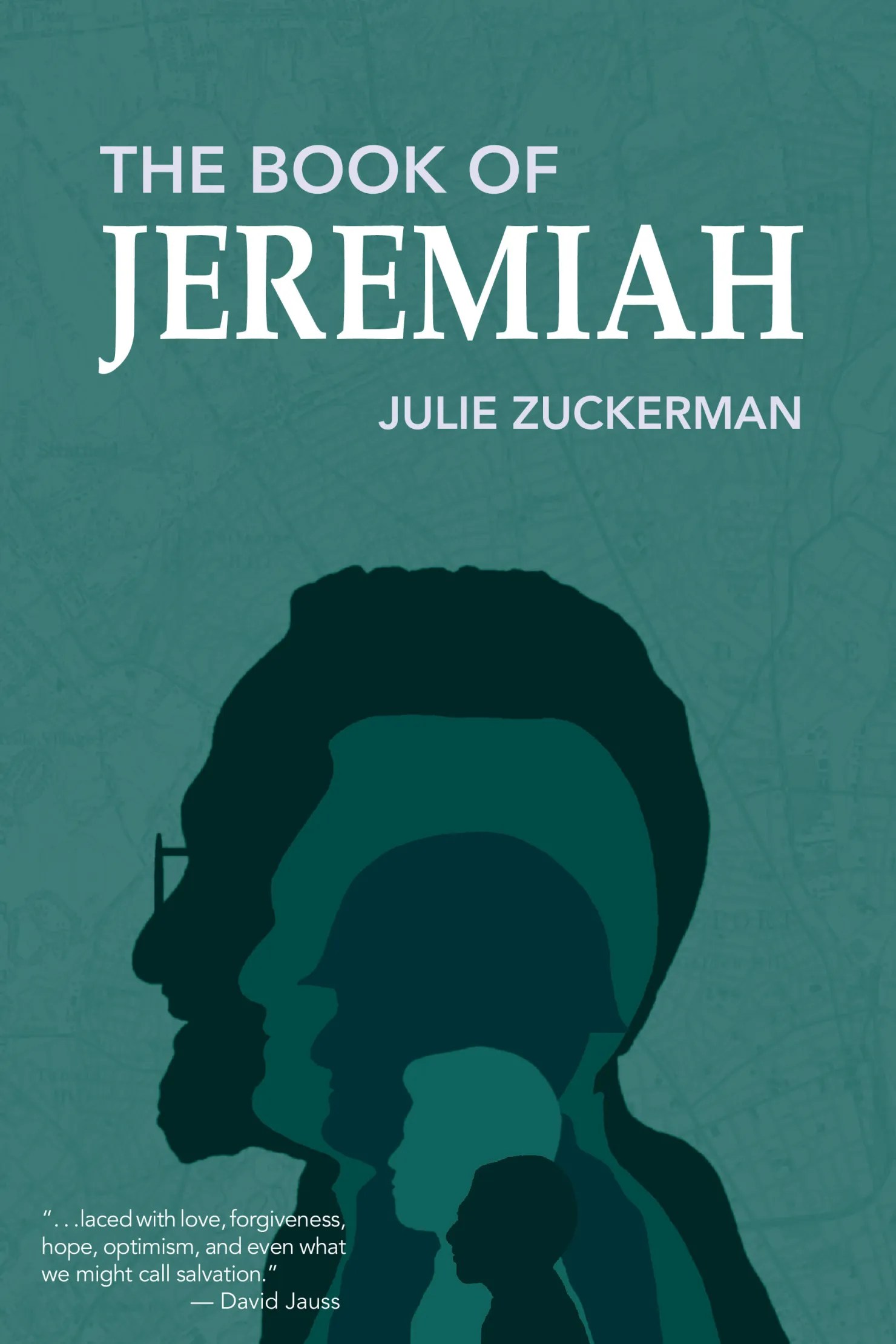
The Book of Jeremiah — Julie Zuckerman
Zuckerman, an American who has lived in Israel for decades, has written a novel-in-stories depicting the life of Jeremiah Gerstler. The son of Jewish immigrants, a WWII vet, and college political science professor, Jeremiah struggles to become a man he and others will respect and love. We get to know him and his family intimately through their ups and downs over the decades. Jeremiah is the kind of character you find yourself talking to as you read, encouraging and questioning him. Zuckerman masterfully uses the mundane experiences of one man’s family, career, and friendships to show us the universal nature of life’s arc.

