
A teacher of mine, John Gardner, once told me, “Writers don’t read. They ravage.” If you can put aside the cringiness of the word “ravage,” this quote impacted me for years. It still does. I wish I could be that person who sits on a beach in a lounge chair, a cocktail with a little straw in a cup holder, under an umbrella, ensconced in a story of love or betrayal, discovery or loss. In fact, there are days when I would give anything to read for pleasure.
But alas, that is not to be. Instead, I find myself, pen in hand, Post-its at my side, asking myself just how did Joan Didion capture that landscape, how did Joyce Carol Oates go so wild or Toni Morrison so deeply into places few would tread. I admire a writer’s transitions as much as I admire their characters or yarns. It is as if I am always plucking apart structure in the novels and stories I read rather than getting lost in some marvelous, twisty plot that holds everyone else spellbound.
When I am writing, I am always reading. The two just go hand in hand. And it seems as if I’m always writing under the influence of others. Let me draw the distinction here between influence and plagiarism. Though Oscar Wilde called plagiarism the highest form of flattery, in fact it is a form of theft. But influence is something else. It’s about inspiration, it’s about the long apprenticeship that comes with being a writer. On a lighthearted note, a book that influences me is not written by an influencer per se. I’m not talking about social media but about masters and learning from them.
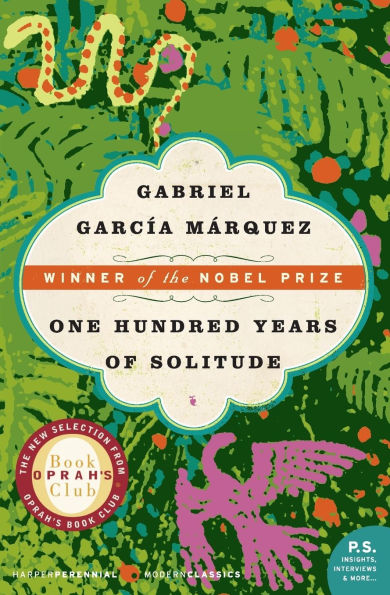
Though I can’t call it pleasure, I also cannot call it work. It is more like a practice that a Zen monk would have, a meditative process I am compelled to go through. Occasionally – and I’ll have to say rarely – I am swept up in the story and the characters. There are certainly moments when awe fills me, as when I read One Hundred Years of Solitude for the first time. Or Song of Solomon or Benjamin Labatut’s recent When We Cease to Understand the World. I can still be captured and swept out to sea, but mainly I am looking, searching, asking myself questions. Can I kill off my main character and still have them tell the story? How do I make the Civil War come to life? I find the answers to these and many other questions in the books I read. Often hiding in plain sight.
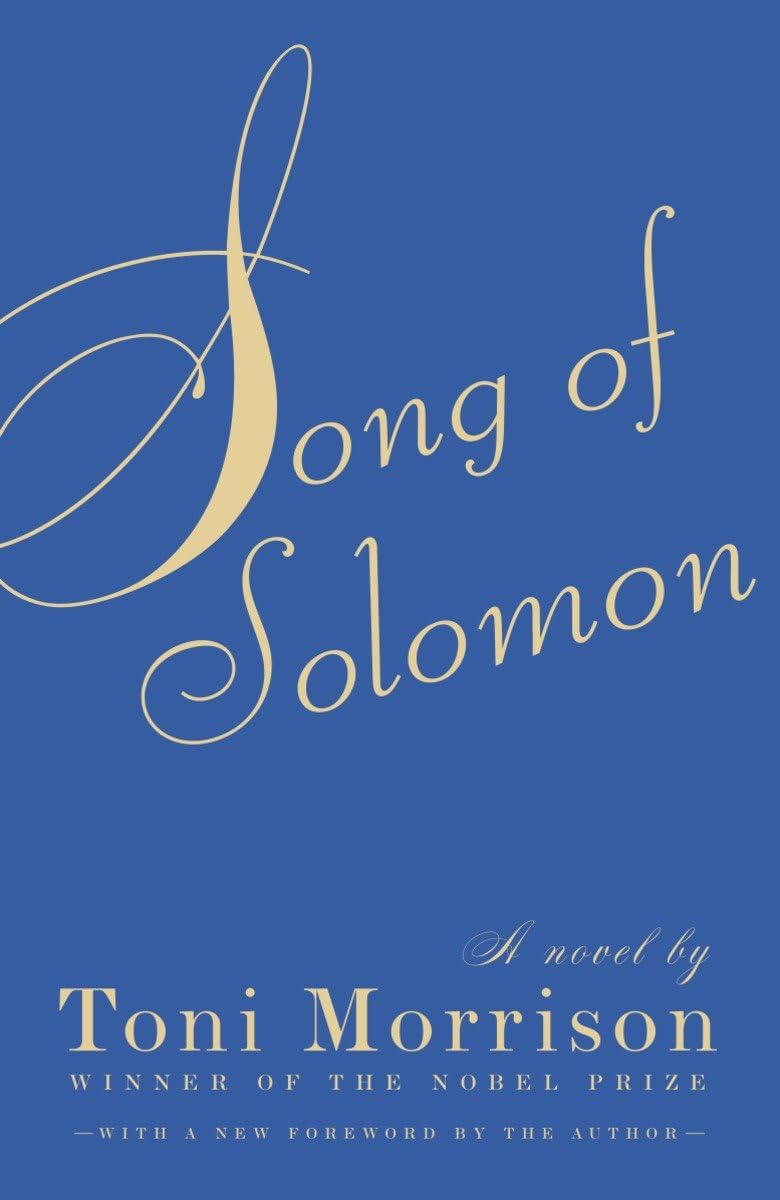
How did that writer do that? How do they make their characters move in space and time? I read for the shape of the book, the tenses, for the beauty of the language, the strength of the voice, the time travel. I take a book apart the way I watch my grandson take a Lego set apart, only to reconstruct it and then marvel at its beauty. Often when I read I have Post-Its in my hand, flagging passages I will return to again and again. Or for books such as Anthony Doerr’s All the Light We Cannot See or Colum McCann’s Transatlantic, I put a flag in every chapter shift, then reread just for the transition.
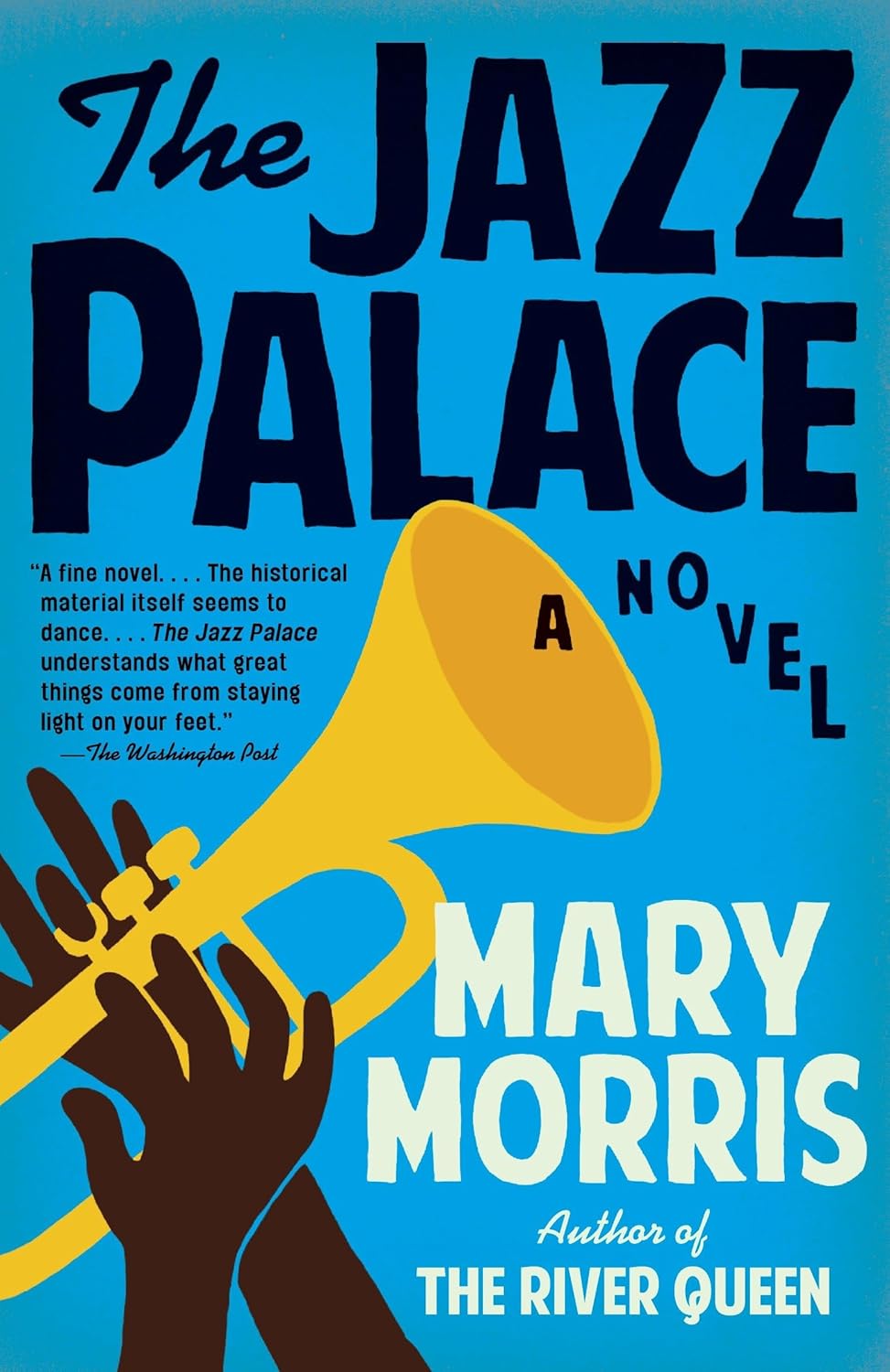
When I was working on The Jazz Palace (2015), for example, I couldn’t get it right. It was a sprawling multi-generational family saga and the first draft weighed in at eight hundred pages. It was about a family with 22 children (based on my own great-grandmother, who raised 22 children and lived above a saloon). It also spanned six decades from 1915 until 1967. I loved that novel, but no one would publish it. It was rejected 37 times. I began to question my sanity. I put it away – for good I believed. Then one summer’s night I decided to reread E.L. Doctorow’s classic American novel, Ragtime.
Just a little more context about The Jazz Palace: During the years I worked on it, I listened to jazz night and day. I studied jazz, I read about jazz. I learned chord patterns and the blues scales. I read biographies of jazz musicians. I did research in Chicago – lots of research. And I loved writing the book itself, but somehow it just didn’t work. I felt so dejected after each rejection that I finally told my agent to stop sending it out. I was done. And despite the fact that I was already writing other things, that jazz novel kept coming back to me like a lover you can’t seem to let go of.
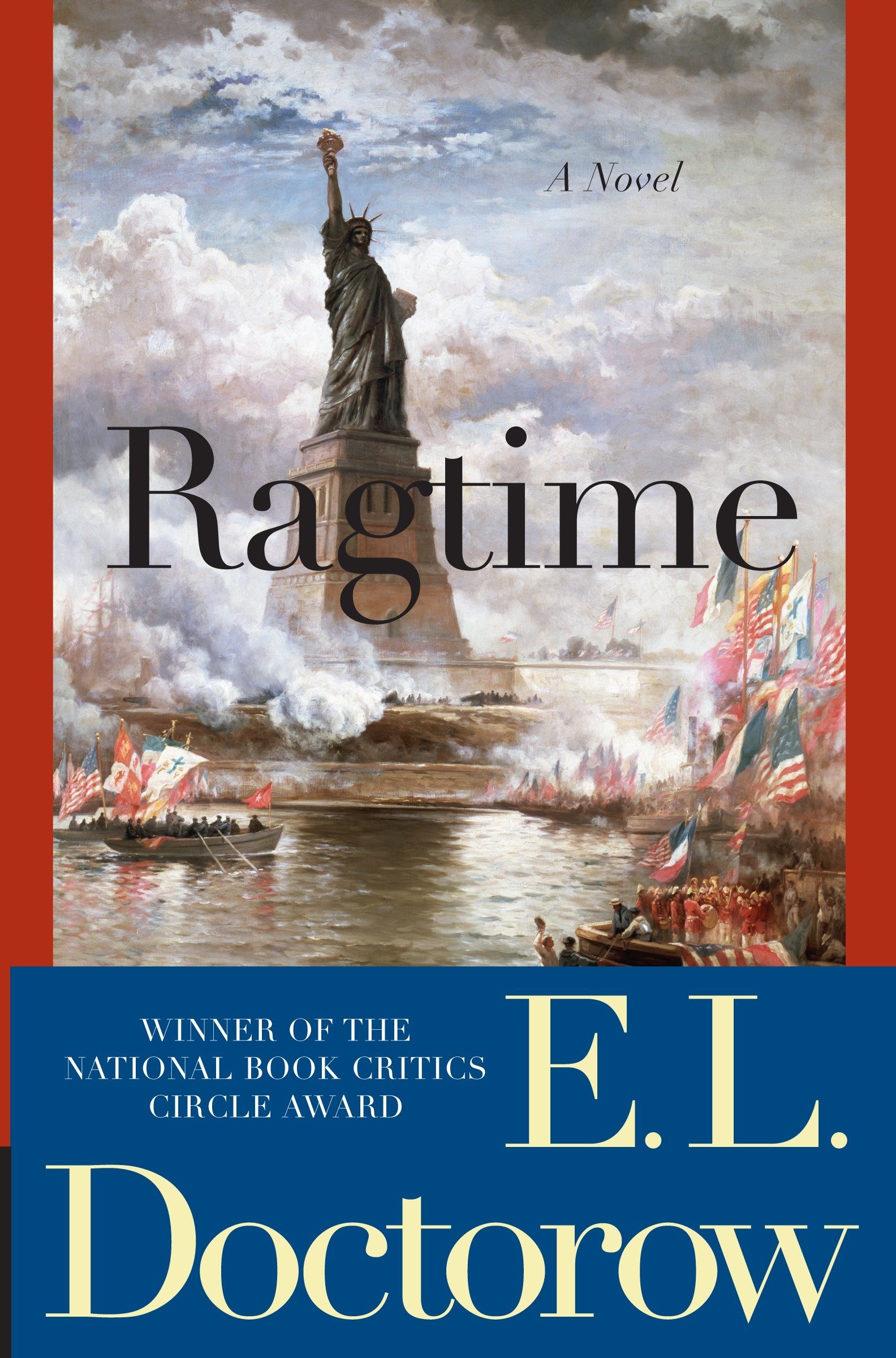
I don’t know what made me pull Ragtime off the shelf on that hot August night. I’d read it before. Several times in fact. But this time I was looking for something else. Hearing the voice of my teacher, I did not just read the book. I ravaged it. I stayed up half the night reading Doctorow’s beautiful novel of New York during the age of ragtime. And when I closed it, I knew what I had to do. I went down to my studio at four in the morning, put on a quiet Louis Armstrong album, opened the drawer, plunked the manuscript on my desk and promptly cut 275 pages from the end – the entire last third of the book. The novel began as it always had, with the sinking of the Eastland steamship in the Chicago River in 1912 and ended with the repeal of Prohibition in 1933. Everything that had come after that date was gone.
Now the book was tidy and taut and what I wanted it to be. And it was the book I sold.
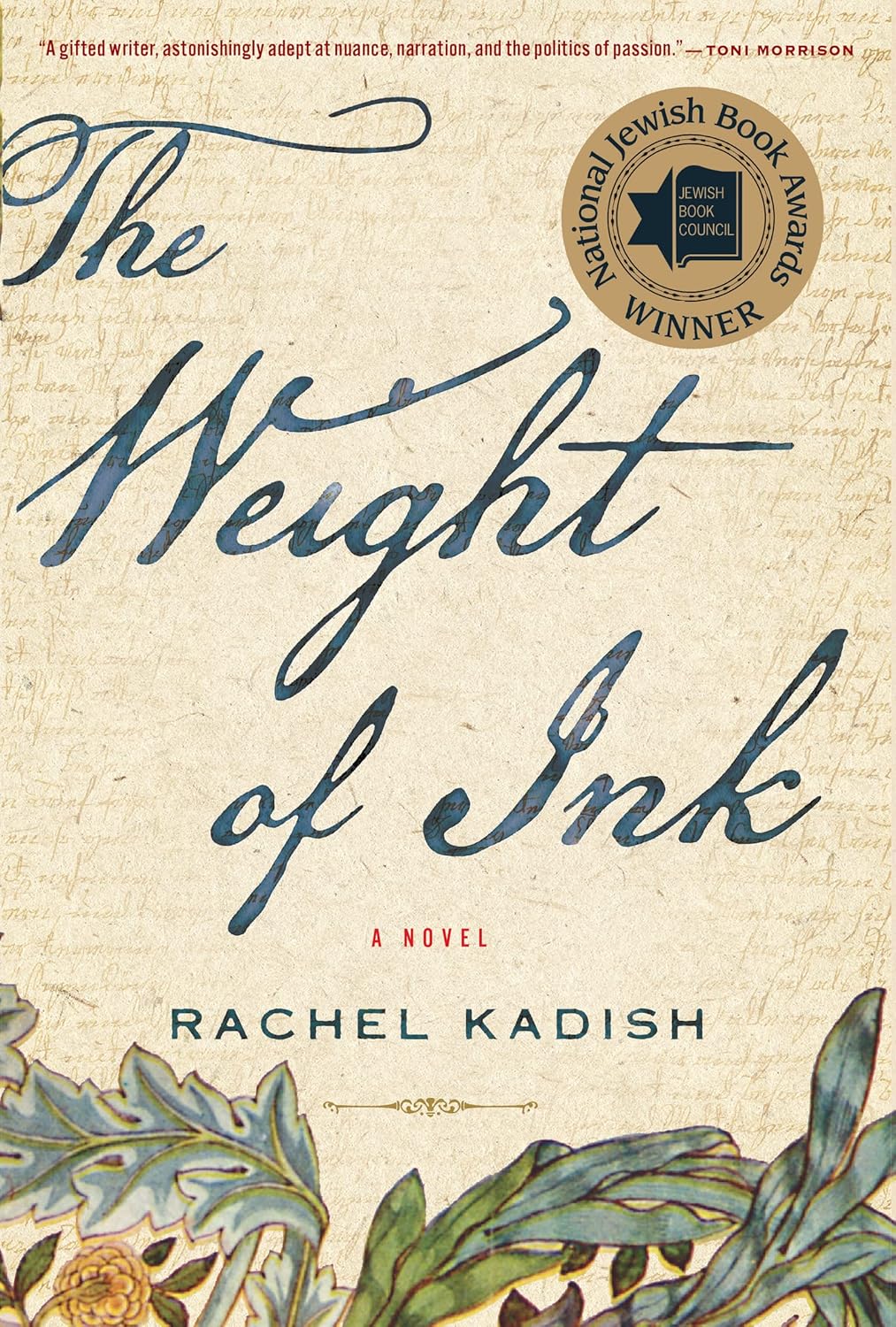
With my 2018 novel Gateway to the Moon, the challenges were different. While The Jazz Palace had a sprawling cast of characters, Gateway to the Moon covered centuries – five hundred years from Columbus’s first journey to the New World to the modern day. While I didn’t struggle with this book as I had with The Jazz Palace, I was hungry for inspiration – writers who could show me that I wasn’t crazy, that I could make this work. That’s when a friend recommended Rachel Kadish’s powerful novel, The Weight of Ink. I loved this book. Indeed, I devoured it. It was one of those books I could get lost in and at the same time it was like a beacon that showed me the way. I could write about Portugal during the Inquisition.
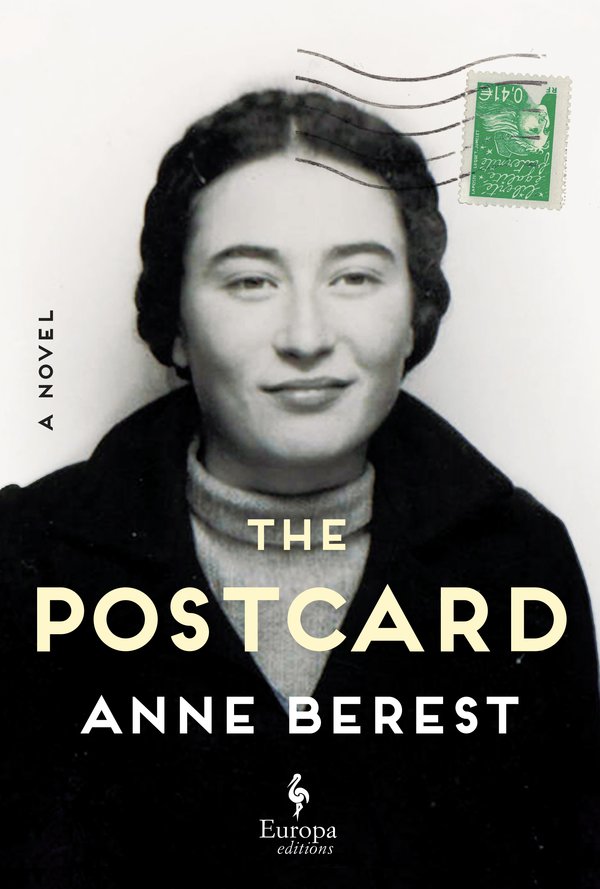
For my most recent novel, The Red House (2025), it was Anne Berest’s The Postcard that gave me permission to write about what I wasn’t sure I could write about. I loved the mystery of the present-day story (who wrote and sent that postcard?) and the terrible truths of the Holocaust, which Berest presents with such painful clarity.
For the new novel that I am working on now, Neversink, three books have become my guide. Neversink is a novel told in stories, all of which are set on the banks of the Neversink River. Colum McCann’s Transatlantic has been inspirational because of the way he moves his characters through time and connects all the threads. Daniel Mason’s North Woods has been helpful because all his stories take place over time in the same place. And Toni Morrison’s Beloved because it’s Toni Morrison and because it is essentially a ghost story, and I am definitely writing about ghosts and haunting in the new work. And finally, just for fun I am enjoying Edith Wharton’s collection called Ghosts because no one writes a ghost story quite like Edith Wharton.
The bottom line is this. I would not be a writer if I were not a reader. As John Cheever once said, writing is not a contact sport. Writing is about community and connection. Or to cite another influence in my writing life, E.M. Forster in Howards End said, “Only connect.” The connection is what that matters. With the words, with the story, even in some ways with the author. With each book I am a traveler in an unknown land and I am grateful to the strangers who help and nourish me along the way.
Mary Morris is the author of numerous works of fiction and several travel memoirs, including the classic, Nothing to Declare: Memoirs of a Woman Traveling Alone (Houghton Mifflin, 1988). Her 2016 novel The Jazz Palace won the Anisfield-Wolf Award for fiction. Morris is the recipient of a Guggenheim Fellowship, the George W. Perkins Fellowship from Princeton University and the Rome Prize in Literature. Her most recent novel is The Red House (2025). Morris lives in Brooklyn, New York.


Love this post, (and love Mary Morris’s work!)
LikeLike