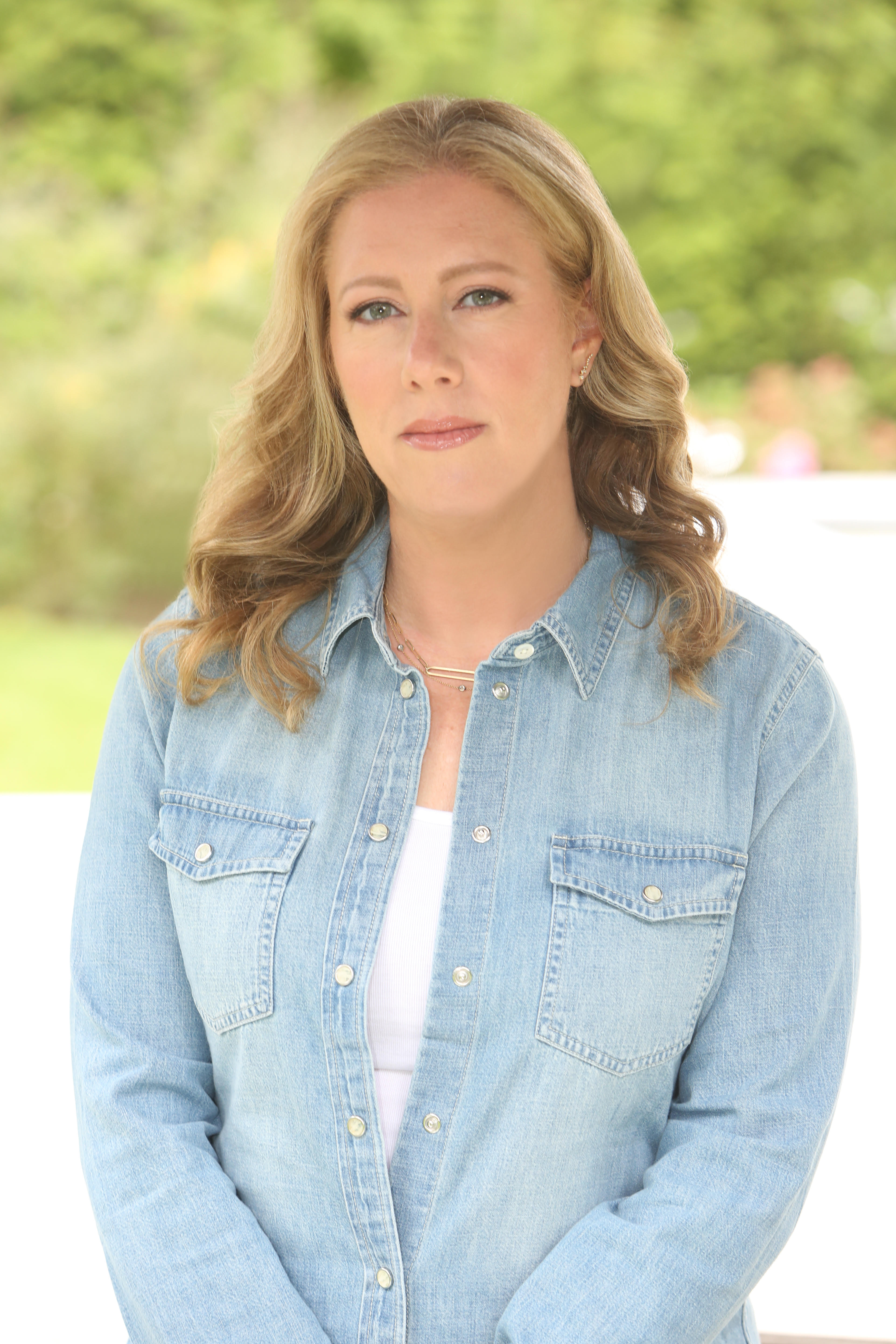
By Rebecca Wolf, Guest Author
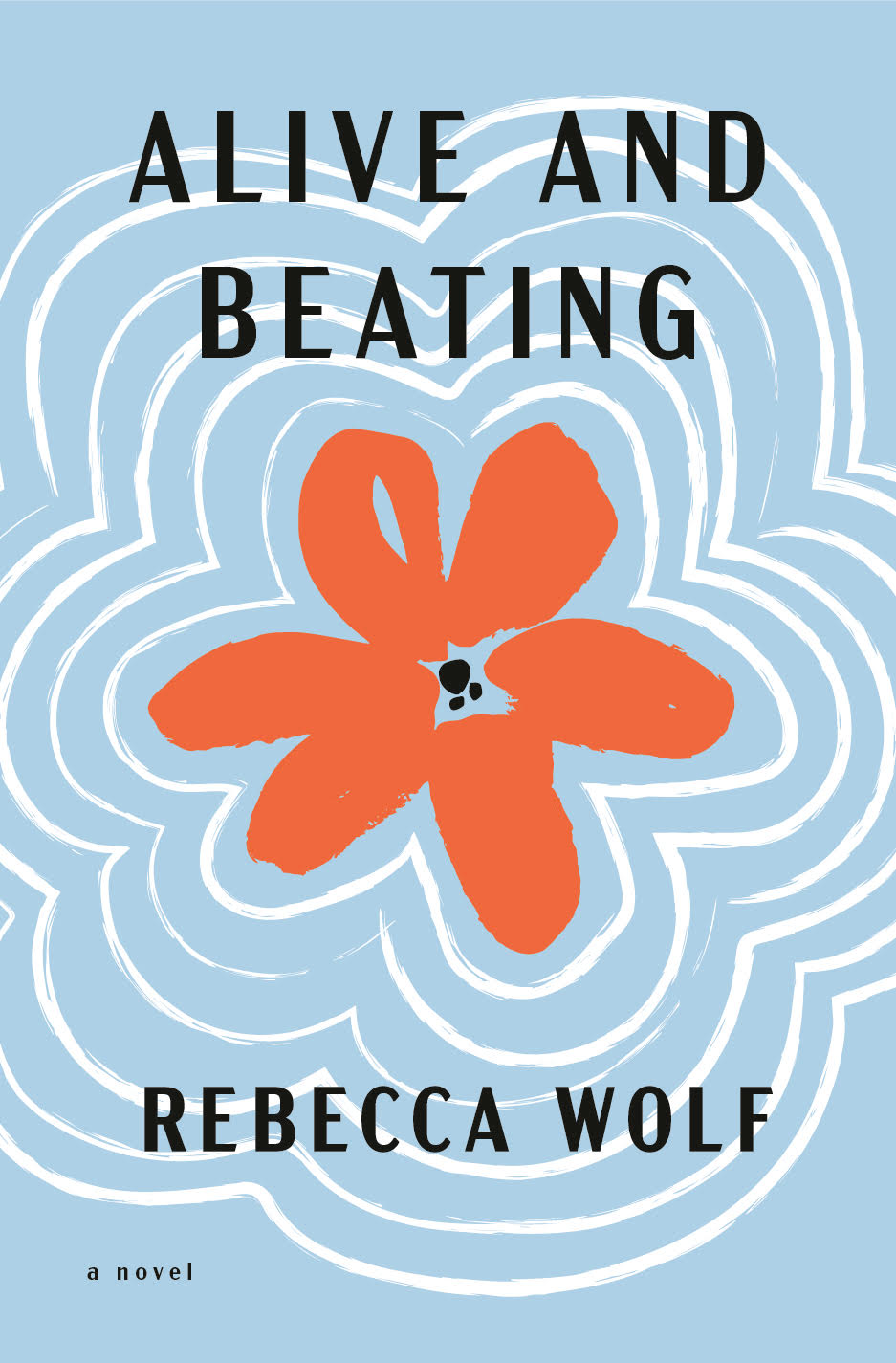
My debut novel Alive and Beating follows six people from diverse backgrounds and neighborhoods in Jerusalem, all of whom are awaiting organ transplants, on the day that will forever change their lives.
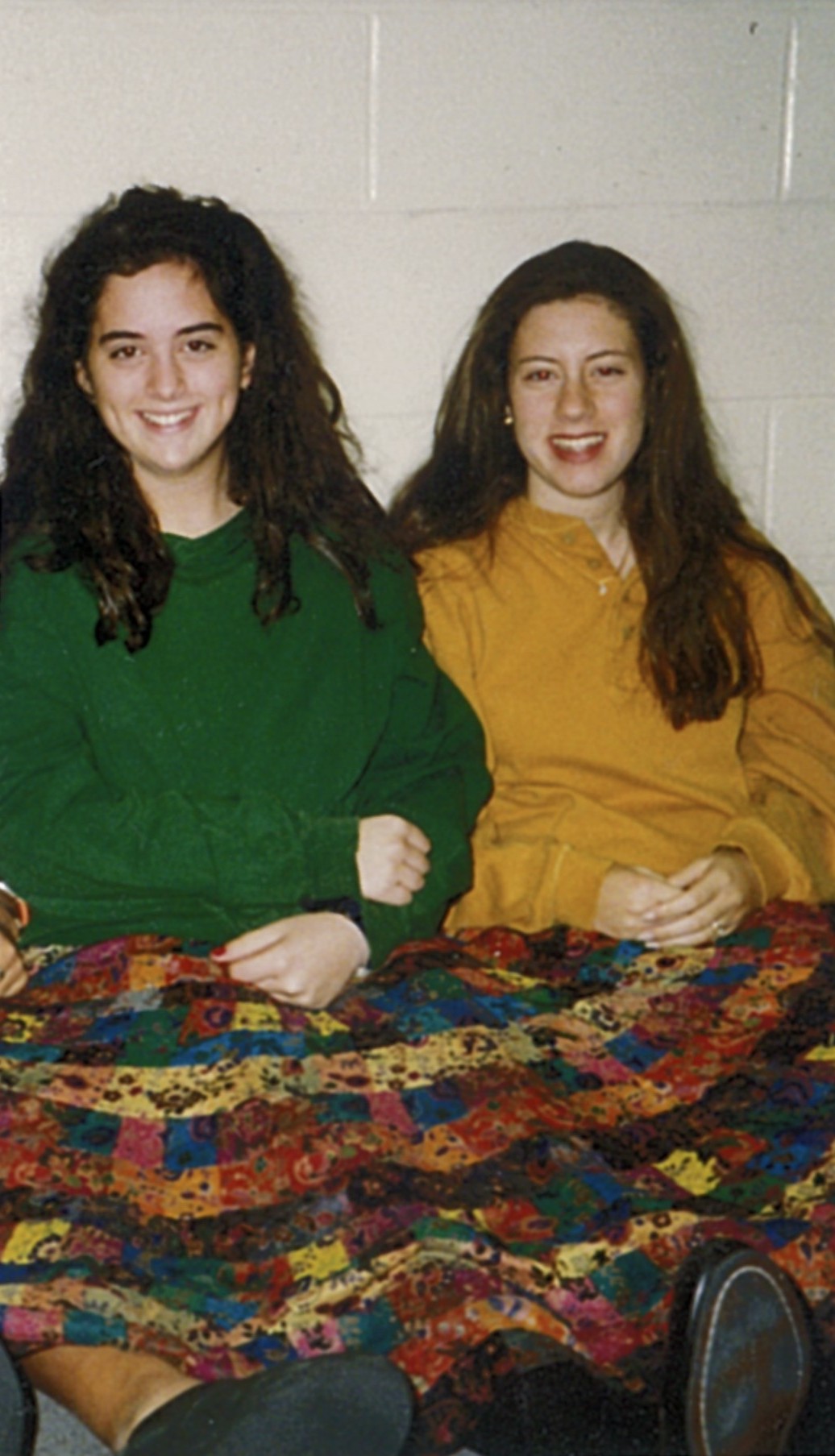
Alive and Beating is inspired by the true story of my friend Alisa Flatow. Alisa and I met on the first day of high school, when we were assigned lockers next to each other. She was a wonderful person to see first thing in the morning, especially for a grumpy teenager like me. Alisa greeted me with a big smile every day. She had an infectious laugh and deep dimples, and she didn’t take herself too seriously.
Alisa did take her Judaism seriously, however, and she decided to take a semester off during her junior year of college and go to Israel to study in a religious seminary. A few days before Passover, in April 1995, Alisa was on the way to a beach resort in Israel when a suicide bomber rammed his truck into her bus. She was mortally wounded, with a critical brain injury, but her body remained intact: A perfect candidate to be an organ donor. Alisa’s father flew in from New Jersey, and together with her family and many rabbinic authorities, they made the then-groundbreaking and heroic decision to donate Alisa’s organs.
Alisa was one of the first American tourists to be killed by an act of terror in Israel, and one of the first–if not the first–Orthodox Jewish organ donors, so her death was widely publicized.
I had been studying in London that semester, and I arrived in Israel in time to watch Alisa’s coffin get loaded into the cargo hold of the plane that would take her back to her native New Jersey for her funeral and burial. While that scene is imprinted on my brain, it was the news conference the next day that had the biggest impact: then-Prime Minister Yitzchak Rabin praising Alisa’s family’s heroic act and proclaiming, “Alisa’s heart is alive and beating here in Jerusalem.”
Alisa stayed at the top of my mind, but as a 20-year-old college student, I was thinking of her just as a friend that I was mourning, not as a story to be told. I had planned to become a journalist – hopefully a war correspondent – not a fiction writer. While I was in Barnard College, I worked as both a reporter and an editor on the Columbia Daily Spectator, and during my semester abroad I was an intern reporter for United Press International. I majored in political science with a concentration in terrorism, and in London, studied in the War Studies Department of King’s College.
But it turns out being a war correspondent isn’t a great job for a young woman, so after graduation I got a job on Wall Street instead, working as a financial reporter for Dow Jones Newswires, which is the wire service of The Wall Street Journal.
Once I became a mother, I decided to stay home with my kids, and the only writing I did was some light freelance work, mostly about parenting and Jewish topics. About 10 years ago, with my children all in school full-time, I started thinking about writing a book, and that book had to be about Alisa.
My book is a tribute to Alisa, but ultimately, I decided to write a novel, rather than tell her true story, so that I could create a diverse cast of characters. It was important to me that my book carry a message of shared humanity, so I needed organ recipients from all walks of life. Alive and Beating tells the stories of Leah, a Hasidic young woman; Yael, a daughter of Holocaust survivors; Hoda, a Palestinian hairdresser; David, an Iraqi restaurant owner; Severin, a Catholic priest; and Youssef and Yosef, two teenage boys, one a Muslim and one a Jew.
I modeled my book on Hiroshima by John Hersey, a renowned journalist who covered battlefields from the Pacific to Europe, and one of my favorite writers. When Hersey wrote Hiroshima, it was actually a 31,000-word article that was published in The New Yorker and took up the entire week’s issue of the magazine. Hiroshima was unique in that Hersey combined literary storytelling with reporting as he focused on the lives of six survivors of the atomic bomb rather than providing broad details of the catastrophic event. As a former journalist, this reporting/storytelling combination is my ideal way to write. I want to tell a story simply, but with enough emotion for readers to connect with my characters.
I really enjoyed the research process of the book. I’m a librarian’s daughter and I love to read, and these characters forced me to read books that I might have otherwise never looked at, such as books from a strictly Palestinian perspective. I read lots of so-called “death memoirs,” such as Paul Kalanithi’s When Breath Becomes Air and Joy Yip-Williams’ The Unwinding of the Miracle to try to understand the perspective of someone with a terminal illness. I spoke to many doctors, interviewed friends of mine who suffer from chronic illnesses, and watched lots of YouTube videos. I knew some of the Jerusalem neighborhoods that I wrote about in my book, but I have never been to others, like Beit Hanina, so I relied on books, videos, and Google Earth to help me.
One of the biggest challenges for me was keeping the pacing of the story correct through all the chapters. I wanted the whole book to take place within 36 hours, to underscore the crucial time constraints of an actual organ donation. There were lots of times I finished writing and thought I had done a decent job, but then I realized that a scene was set at night but really had to be in the morning to correspond to the other stories. And then it was back to the drawing board…
My favorite chapter to write was the Pancreas chapter, which is about Severin, the Catholic priest. I enjoyed the challenge of creating someone who is the complete opposite of me: I am not a man, nor a priest, nor a Catholic. I also liked that Severin is such a positive person, despite having a very hard life. He is my only character whose organ transplant is not life-dependent, meaning he will not necessarily die if he doesn’t get one immediately, so it was less stressful writing his story.
The story of Youssef and Yosef, the two teenage boys in the Heart chapter, was the hardest for me to write. As a mother, it’s difficult to imagine children so seriously ill. Writing their dialogue, as kids facing their own mortality, was very upsetting to me. Also, because I set the story in the hospital, there was more medical jargon and technical details than in the other chapters. I’m lucky that my brother-in-law is a pediatric cardiologist; he helped me make sure I was accurate in my writing.
Although he is not one of the protagonists, my favorite character is Srulik, the taxi driver who weaves his way through all of the stories. Srulik is inspired by my cousin, who was also named Srulik. He just died in May at age 100. He was a Holocaust survivor who lost all of his family in the war except for his sister and two cousins (one of whom was my grandmother). He was liberated from the Bergen-Belsen concentration camp and ultimately ended up in Israel, where he was given a gun upon arrival and told to fight in the War of Independence. He was a true pioneer of Israel and a believer in mankind. Despite the horrors he suffered, he genuinely liked people and gave everyone a chance.
I’ll admit that over the past few years it’s been difficult to feel a shared humanity. But I believe our only chance for a peaceful world is if we all try to push aside our pain and see each other as human beings. I hope that will be a message readers take away from my book.
Rebecca Wolf is a former journalist whose fiction and essays have appeared in many publications, including Apricity and Tablet. She is a volunteer writing tutor for PEN America’s Prison Writing Program, and she lived in Jerusalem as a foreign exchange student before attending Barnard College. She lives in New Jersey with her family. Alive and Beating (Arbitrary Press, 2025) is her first novel.
 READ HER LIKE AN OPEN BOOK