Last week I began thinking about which books might make my “favorite books of the year” list — despite the fact that there are two months remaining in 2026, during which I’ll probably read another 10 books. But it never hurts to start thinking about it, right?
When one of my Instagram friends posted an early/tentative list of favorites, I had a lightbulb moment: Why not ask my fellow readers in the Bookstagram world which books they liked the best this year (whether they were published in 2026 or not). This would undoubtedly result in a varied selection of books, including many that would probably be unfamiliar to many of us. Out went my query and in came more responses than I’d expected.
While some of the hugely popular books you might expect on a list of 2026 favorites did indeed appear on a few lists (Kin, Whistler, Good People, Land, The Things We Never Say, The Calamity Club), I was impressed by the wide range of choices. These contributors are book lovers who don’t just read whatever is trending.
So here are the lists of the first ten friends who replied. I’ve included their Instagram handle so you can check out their pages and give them a follow. Next week I’ll share the lists of the other participants.
Stephanie Goldschmied (@stefinitely.reading)
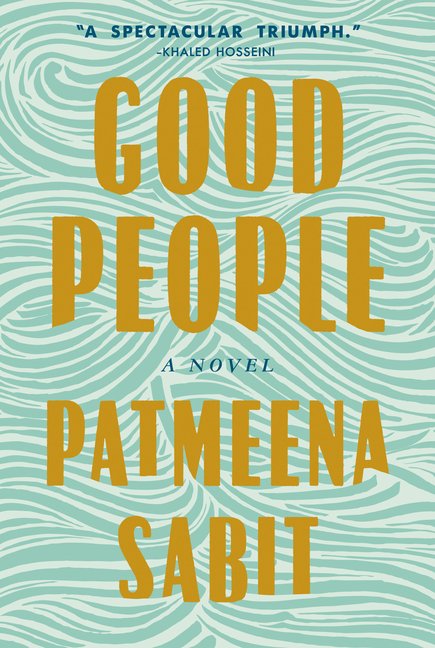
Good People by Patmeena Sabit – This book sucked me right in and I love how Sabit managed to tell the entire story without using the voice of the main characters. It is a well written, unique and compelling mystery about the Sharaf family, immigration and the complexities of the court of public opinion.
As The Lilacs Bloomed by Anna Molnar Hegedus – A Holocaust memoir, originally written in 1945 in Hungarian and published in English in 2014. Anna wrote her testimony immediately after returning home from a harrowing year as a prisoner, while she desperately waits for word on the fate of her husband and children. This is an incredibly unique account of the Holocaust because it was written so close to the actual events by a 48-year-old woman. We owe it to survivors to read their own words and share them, keeping their memory alive.
Five by Ilona Bannister – A thrilling read that tells the reader from the beginning that one of the five main characters is going to die by the end of the book. It is your job to figure out who it is going to be. I loved that there were moments when I was actually hoping some of the characters would be the ones to meet their demise. This one kept me guessing until the end.
Fagin the Thief by Allison Epstein – This book is special to me because of my love for the musical Oliver!. Epstein has imagined a pre-Oliver Twist world where the reader gets to meet Fagin as a young boy and Bill Sykes as a teenager. It gives us the backstory for these two infamous villains, meeting many other familiar characters along the way, like Nancy, the Artful Dodger and Oliver himself. I love the world she created and her ability to evoke empathy for Fagin.
Enormous Wings by Laurie Frankel – Definitely my favourite read of 2026. Frankel tells the unique story of Pepper Mills, a 77-year-old woman who discovers she is pregnant. Looking past the ridiculousness of this (and Frankel does give a compelling reason for the pregnancy), the reader gets a story that has it all: humour, relevant social and political commentary, well-rounded characters, loving family relationship and excellent storytelling. Plus, I couldn’t resist the antics of the retirement home septuagenarians.
Chrissie Whitley (@chrissiewhitley)
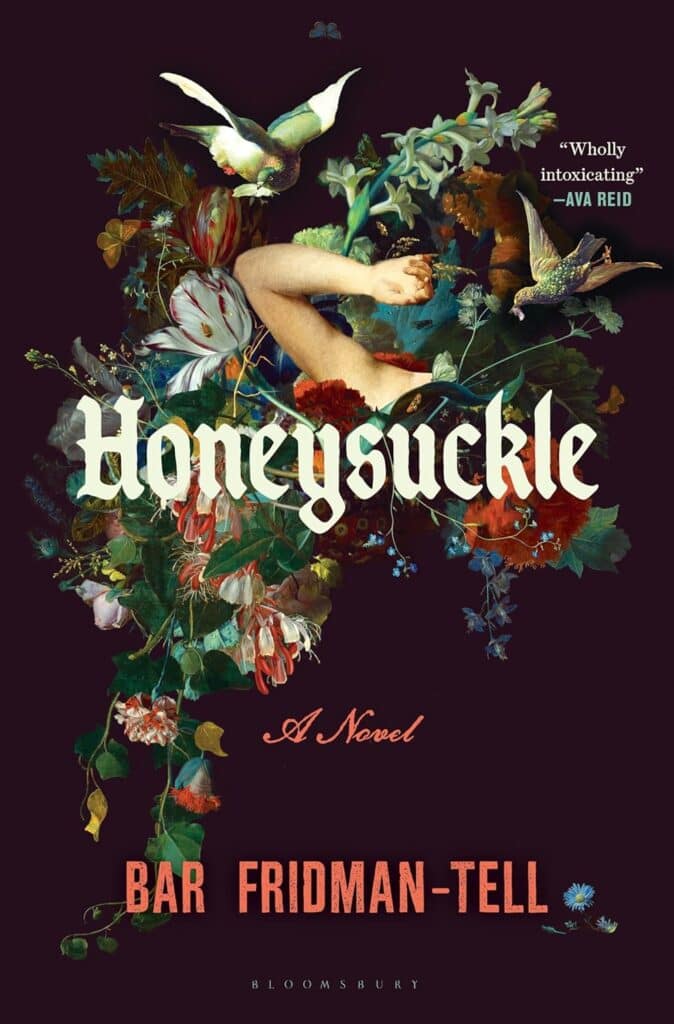
Honeysuckle by Bar Fridman-Tell – A stunning debut steeped in fairytale atmosphere, Honeysuckle explores friendship, control, and agency through the relationship between a boy and a girl made from flowers whose life is tied to the seasons. I loved the way its tension rolls in like a slow-moving, heavy fog, making this one of my favorite reading experiences of the year.
A Hymn to Life by Gisèle Pelicot (translated by Natasha Lehrer and Ruth Diver) – A devastating memoir about betrayal, memory, and the courage to reclaim one’s own story, A Hymn to Life is perhaps the definition of a sad, dark book — but I came away from it feeling an unexpected current of hope and strength. What struck me most was Pelicot’s determination to face her attackers publicly, refusing to carry the shame of their crimes, and the extraordinary resilience behind that decision.
The Gone World by Tom Sweterlitsch – The Gone World is the kind of science fiction I love — the kind that doesn’t sprawl but closes in around you, weaving a murder investigation through time travel, fractured alternate futures, and existential dread. I was completely absorbed by its intricate plotting and atmosphere, and the way it builds like a symphony toward something inevitable.
Ours by Phillip B. Williams – Dense, nonlinear, and deeply immersive, Ours is a novel that demanded my patience but rewarded it, exploring history, memory, and inherited trauma through a hidden, all-Black town shaped by magic. What stayed with me was the powerful emotional current beneath its ambitious structure, grounded in the relationships and overlapping lives of its community.
Liz Hein (@lizisreading_)
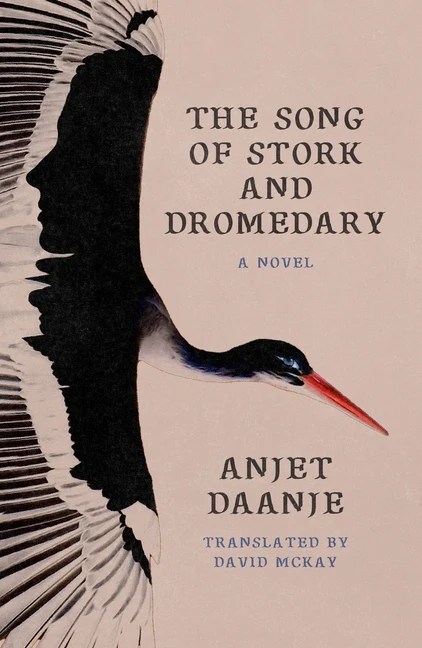
The Song of Stork and Dromedary by Anjet Daanje (translated by David McKay) – For fans of Daniel Mason’s North Woods, The Song of Stork and Dromedary takes readers on an odyssey that offers no easy answers but goes down like a milkshake. Inspired by the life of Emily Bronte, this masterpiece requires no pre-work, and I recommend it to readers everywhere.
May We Feed the King by Rebecca Perry – This is a special book that will leave you a little disoriented but fully blown away. The writing is so spare that every sentence matters, especially the chapter titles. This exploration of power and what happens to those who “should” be more power hungry is nothing short of breathtaking.
Land by Maggie O’Farrell – Land is a sweeping story, covering not just the full lives of the parents and children of a family but also of the land, making time feel not linear at all. It read like pure magic. Everything about this book feels alive… I knew every character inside and out. I knew the land and the family’s house like it was a person.
Death of an Ordinary Man by Sarah Perry – Since the dead can’t tell tales, the best we can get to understanding death is for another human who has intimately witnessed it telling us…it was like this, and then it was like this. This is Perry’s purpose for writing, and…oh, did she accomplish it.
A Woman’s Guide to True Crime by Mary Thorson – These short stories about what happens in the women in the dark are all inspired by true crime, with newspaper clippings at the end of each story. Read them, then read them again once you know the inspiration. Chills, every time.
Grace Collee (@graceisbookedandbusy)
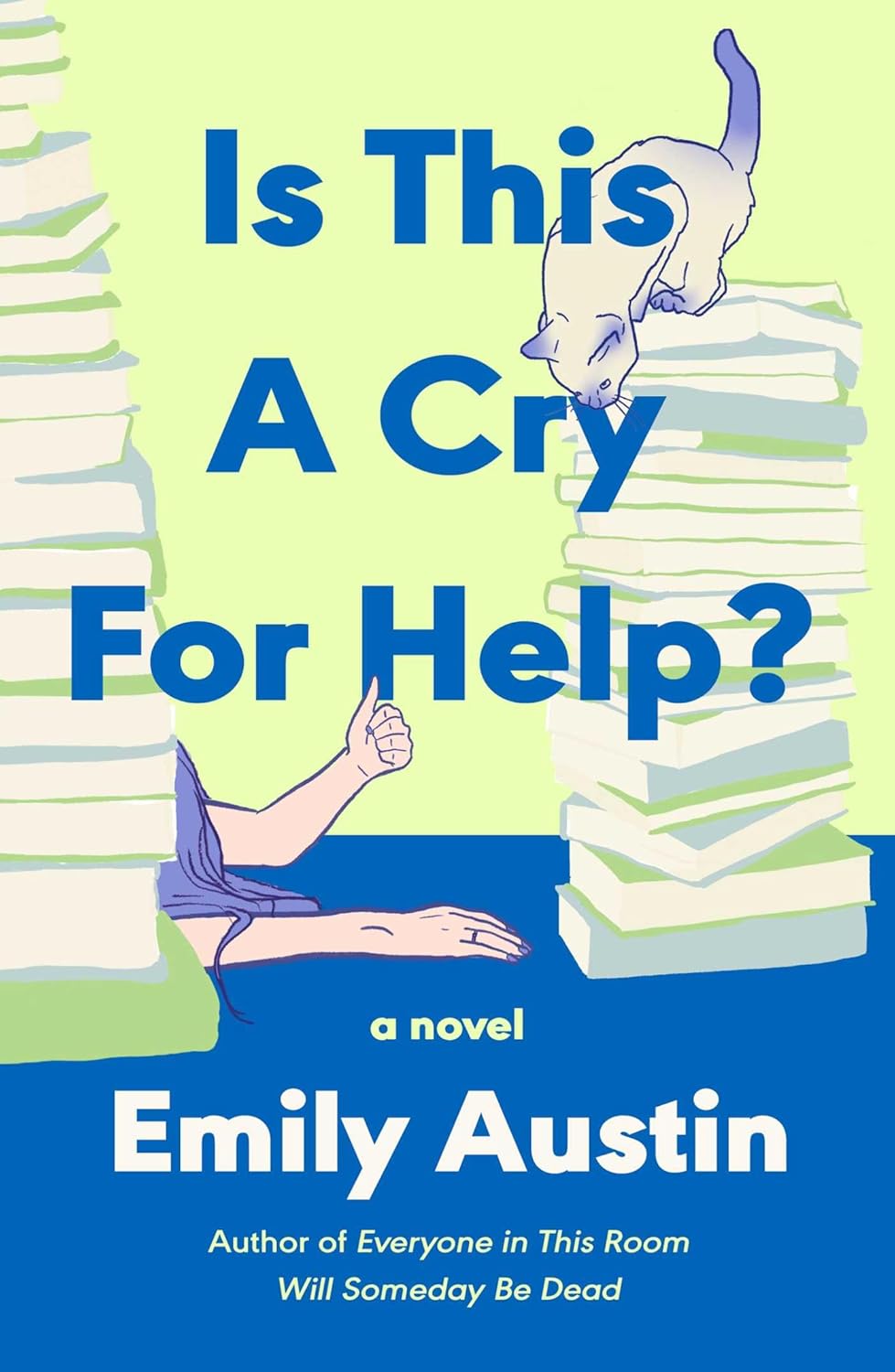
Is This a Cry for Help? by Emily Austin – This book was a love letter to libraries and left me feeling hopeful!
Here After by Amy Lin – An absolutely heart-wrenching memoir about losing your other half at a very young age and finding purpose when your life is turned upside down.
Good People by Patmeena Sabit – This book has left me with so much to think about and I think it is a particularly great book for discussion!
Amy Brown (@amylikestoreadalot)
Four books that I read this year and I’m still thinking about:
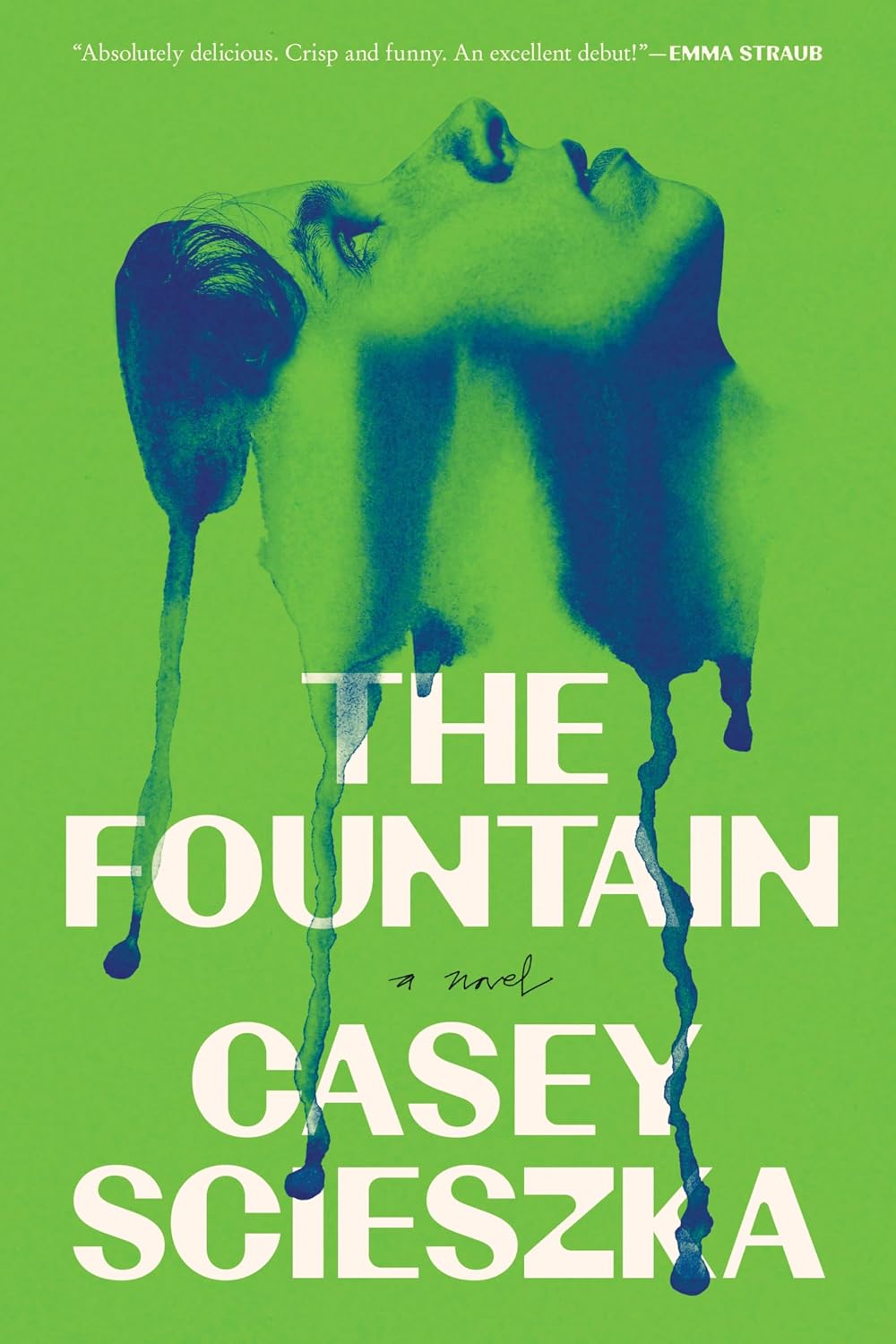
The Fountain by Casey Scieszka – I adored Tuck Everlasting when I taught fourth grade. This book is the grown-up version, and I couldn’t turn the pages fast enough. Vera has returned, almost 200 years later, to her hometown in the Catskills to see if she can find the source of her immortality. But someone else seems to be looking for the same source, too.
Ms. Mebel Goes Back to the Chopping Block by Jessie Q. Sutanto – Older narrators are having a moment, and I’m all for it. I love the sassiness and wisdom of Mebel in this story, as she heads to culinary school in England after being dumped by her husband for their chef. Mebel sees herself as just a trophy wife but grows throughout this book as she meets many different students, most of them much younger than herself. I was all for her growth and rooting for her throughout.
Under Water by Tara Menon – This is a quieter story, but written so beautifully, I could not stop reading! It’s a story about grief and friendship, and the main character Marissa, now facing Hurricane Sandy approaching New York, cannot stop thinking about the loss of her best friends years earlier in the Thailand tsunami. I think more people need to give this one a chance!
Hum by Helen Phillips – This was such a fast read for me, and honestly, I wished it was longer because I wanted even more. Phillips created a world in the near future that scared me. The world is slowly collapsing and AI is taking over. This book covers so many topics: motherhood, marriage, technological advances, and of course AI. This is a book that begs to be discussed.
Jill Navone (@jillslibrary)
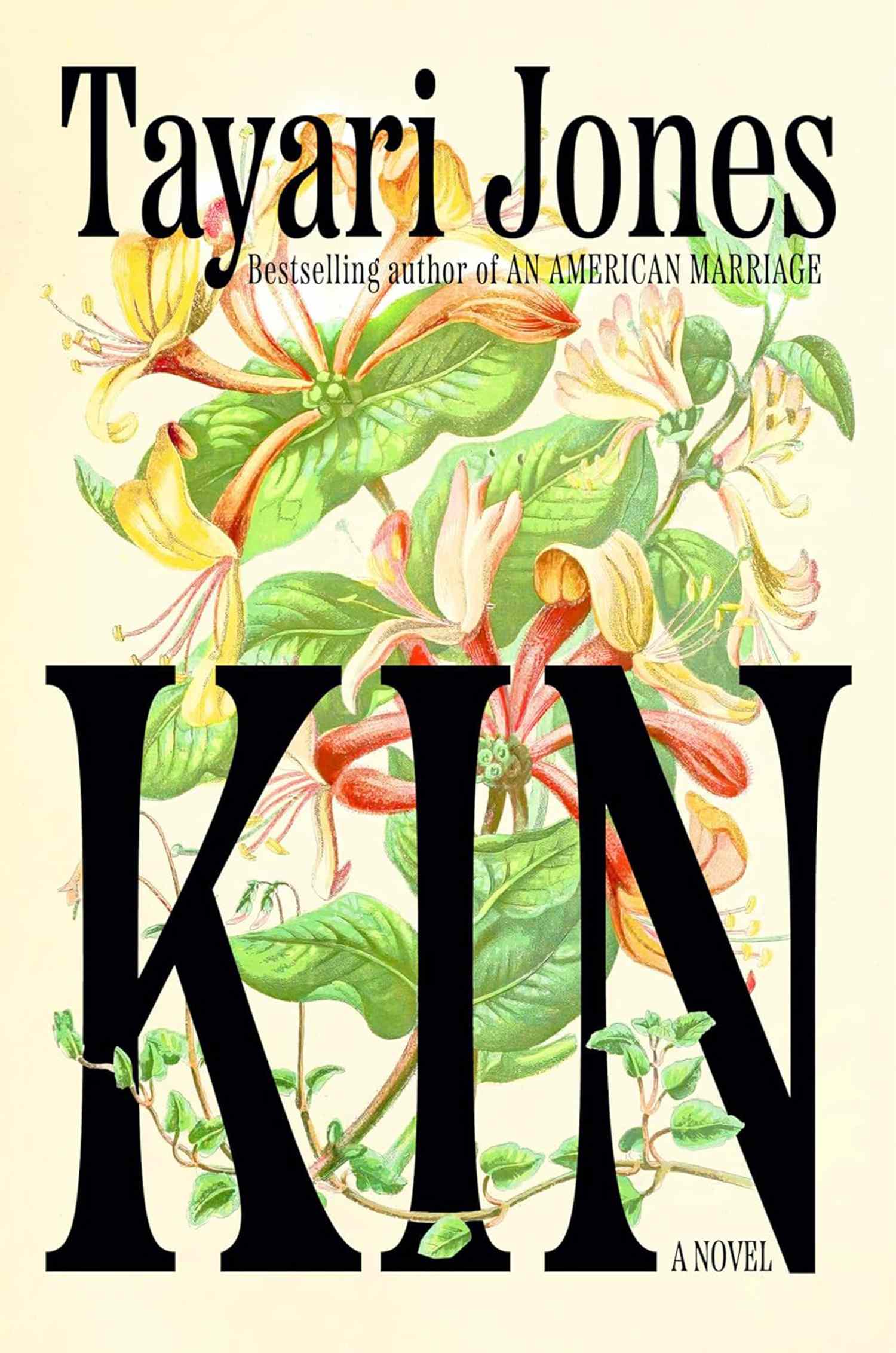
Kin by Tayari Jones – Historical fiction that follows the lifelong friendship of two motherless Black girls from the south. Themes of friendship, loss, race, class, women’s rights, and prejudice.
This Book Made Me Think of You by Libby Page – Uplifting contemporary fiction novel that explores how books can transform and heal. Themes of loss, love, friendship, adventure, romance.
The Young Will Remember by Eve J. Chung – Enlightening historical fiction story about a female Chinese American war correspondent who gets trapped behind enemy lines during the Korean War. Themes of war, importance of revealing the truth in history, and prejudice.
Mad Mabel by Sally Hepworth – An emotional, yet humorous, character driven mystery/romance with a lot of heart! Themes of found family, redemption, justice, media shapes, perceptions, gossip, and the true power of love.
Exit Party by Emily St. John Mandel – A smart, clever, thought-provoking, dual timeline, dystopian speculative fiction novel. Themes of science, surveillance, environmental changes, art, and found family.
Karin Greenberg (@bookswithkg)
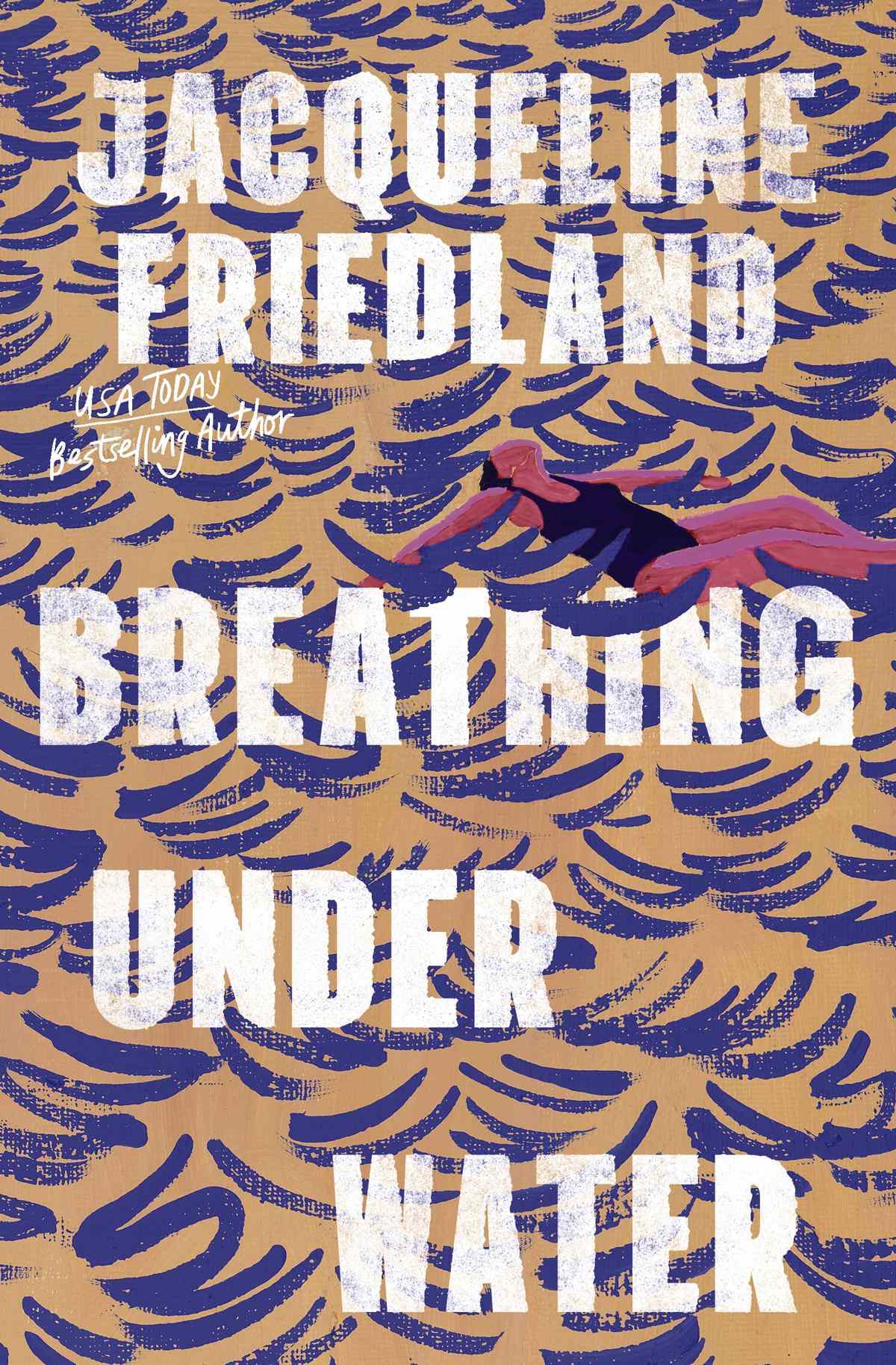
Breathing Under Water by Jacqueline Friedland – A heartwarming novel about a 16-year-old autistic boy, his working mom, and a college swimmer whose life gets derailed by one rash decision. The novel explores parenting, marriage, dementia, homelessness, and friendship. Friedland’s portrayal of an autistic teenager is the most realistic and endearing one I’ve seen in literature.
Loved and Missed by Susie Boyt – A masterpiece of perfect sentences and impeccable pacing, this novel broke my heart while also thrilling me. A middle-aged English teacher struggles as she watches her grown daughter spiral into drug addiction. As she takes on the role of caretaker to her daughter’s young child, she examines the mother/daughter bond and the broken paths all parents must navigate.
All Afternoon by Susan Kleinman – A nostalgic adventure, this novel has humor and intelligence woven through every page. The story of a Jewish New Jersey housewife in the 70s, it focuses on what happens when one woman reclaims her freedom and learns to express herself in ways that defy the acceptable norms of the day. The writing is clever, original, and a delight to read.
The 100 Years of Lenni and Margot by Marianne Cronin – This entire book takes place in a hospital in Scotland, yet it’s a story brimming with scenic landscapes and life. The book is centered around the unlikely friendship of 17-year-old Lenni, who suffers from a terminal illness, and 83-year-old Margot, who has a heart condition. With literary writing that is beautiful, funny, and perfectly pitched, the pages unfold like a gentle wave to reveal a poignant look at life, death, grief, and love.
The Final Solution to the Jewish Question: A Love Story for the Living by Dara Horn — A remarkable examination of antisemitism, Jewish history, and how modern technology and education systems feed into the age-old blood libels. The book is heavy, but also celebratory. It gives validation and motivation to those who have been deeply frustrated, angered, and saddened by the lack of support shown to Jews around the world, especially after October 7th.
Shonna (@thoughtsonplots)
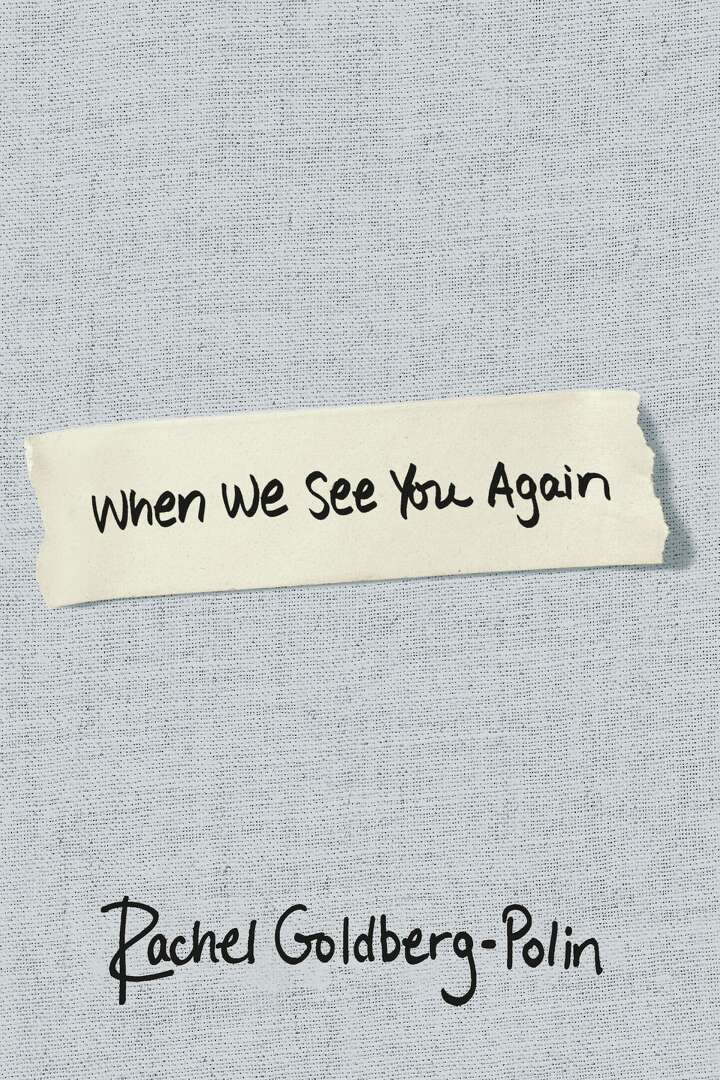
When We See You Again by Rachel Goldberg-Polin – Goldberg-Polin’s account of her son Hersh’s captivity is a mother’s fiercest love on the page, and the most affecting writing on grief I’ve read. It’s a book anyone can read, whatever their politics.
Whistler by Ann Patchett – Patchett won me over with character. Daphne and her stepfather Eddie felt so real that Eddie has stayed with me, and this now tops my ranking of the six Patchett novels I’ve read.
The Unselected Journals of Emma M. Lion by Beth Brower – I love this series for Emma’s dry wit and the range of fully realized women around her. The audiobook narration made the humor even better by hearing the cast of characters come to life.
The Final Solution to the Jewish Question: A Love Story for the Living by Dara Horn – I was drawn to its breadth, from Holocaust education to the history of antizionism, and to its argument that antisemitism rests on a specific myth of hidden Jewish control, often spread through ignorance rather than malice. I also loved that it closes on hope, treating Jewish continuity as a choice made out of love.
The Calamity Club by Kathryn Stockett – This 1933 Mississippi novel hooked me right away with its women forced into impossible choices, and I admire how it turns from comedy to something graver without losing control. The audiobook narration is excellent, and I’d recommend it to any fan of historical fiction.
Andrea Borod (@bookdumpling)
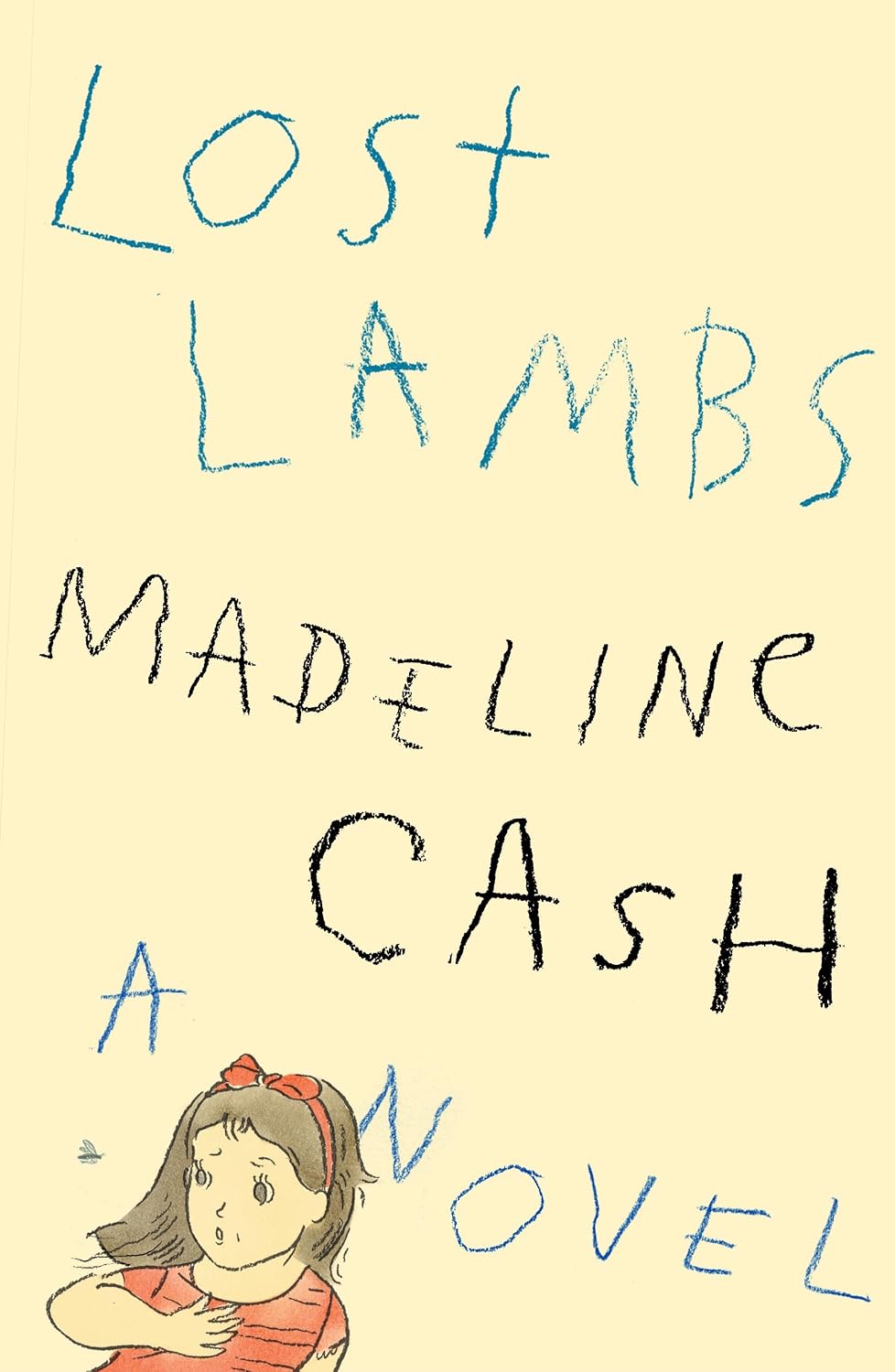
Lost Lambs by Madeline Cash
Perfect for: Readers who love razor-sharp satire, dysfunctional families, dark humour, eccentric characters, and unpredictable storytelling.
Not for: Readers who prefer realistic plots and dislike satire.
The Things We Never Say by Elizabeth Strout
Perfect for: Readers who appreciate quiet, emotionally perceptive fiction about marriage, loneliness, family secrets, and the complicated inner lives of ordinary people.
Not for: Readers seeking fast-paced plots, dramatic twists, or action-driven storytelling.
Evenings and Weekends by Oisín McKenna
Perfect for: Readers who love intimate, character-driven fiction, messy relationships, queer love stories, and atmospheric portraits of urban life and millennial uncertainty.
Not for: Readers who dislike multiple perspectives, meandering narratives, sexually explicit content, or stories driven more by emotional tension than plot.
Good People by Patmeena Sabit
Perfect for: Readers who enjoy morally complex family mysteries, unreliable narrators, multiple perspectives, and thought-provoking explorations of cultural identity, prejudice, and belonging.
Not for: Readers who prefer clear-cut answers or neatly resolved mysteries.
The Disappearers by Marlon James
Perfect for: Readers who appreciate ambitious literary fiction, extraordinary prose, complex characters, and powerful explorations of gay identity, systemic violence and PTSD.
Not for: Readers sensitive to very graphic brutality and sexual violence, or those who prefer restrained storytelling, concise novels, and emotionally lighter reading.
Liz Gerke (@queencrimson11)
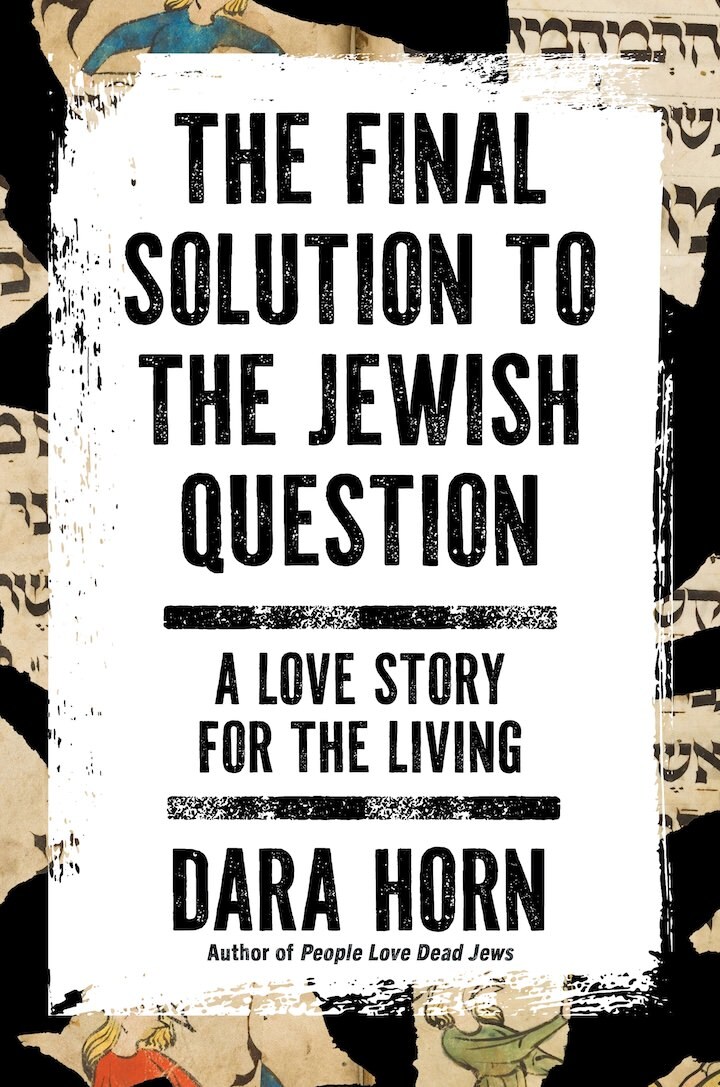
The Final Solution to the Jewish Question: A Love Story for the Living by Dara Horn – An absolute must read. A detailed and passionate exploration into the basis of antisemitism, which unveils the mechanisms (old and new) behind this propagated evil.
The Calamity Club by Kathryn Stockett – An epic novel set in Depression era Mississippi, centering on a band of women navigating poverty, misogyny, classism, racism, lies, and hypocrisy.
Persepolis by Marjane Satrapi – This black and white graphic novel written in 2001 is just as relevant now as it was when it was written. It describes living in Iran amidst Islamic revolution through the eyes of the child, juxtaposing everyday home life and the drama occurring in public life.
Hollow Bones by Jodi Picoult – This novel written in two timelines combines themes of disaster preparedness and mental illness, with surprises and twists along the way.
Amber Wang (@ambershelf)
Centroeuropa by Vicente Luis Mora (translated by Rahul Bery) – An eerily atmospheric and quietly subversive novel with a hint of magical realism featuring an “unreliable narrator” that you’ll find yourself rooting for! Despite its setting in 19th-century Europe, the examination of history repeating itself and the growing violence worldwide are all very pertinent today.
The Song of Stork and Dromedary by Anjet Daanje (translated by David McKay) – An extraordinary literary puzzle that’s perfect for book lovers looking to get lost in interlinked stories inspired by the Brontë sisters. I loved the exploration of life and death, and how literature “immortalizes” someone and continues their legacy.
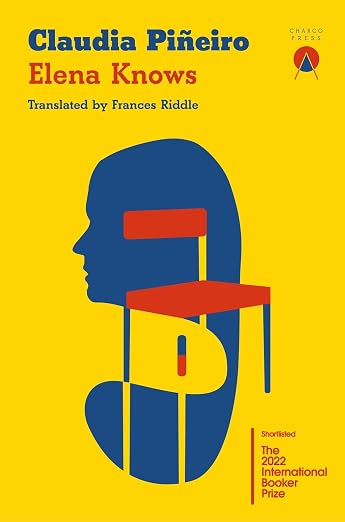
Elena Knows by Claudia Piñeiro (translated by Frances Riddle) – A brilliant and incisive read about women’s body autonomy explored through three different women. In few pages, Piñeiro keeps the thriller-like tension while examining the hypocrisy of the church and “charity.” A short read that packs a punch.

