March 8 is International Women’s Day, and March, as you no doubt know, is Women’s History Month. It should go without saying that it’s important to highlight women’s contributions to every aspect of our history. It’s a shame, to say the least, that many of their contributions weren’t honored at the time and that many current achievements are still overlooked or downplayed. In that sense, I look forward to the time when every month is Women’s History Month.
The first national Women’s History Month was in 1987, but its origins (in the United States) go back to 1911, when the first International Women’s Day was observed. The path to a federally recognized WHM began in Santa Rosa, California in 1978, when the Education Task Force of the Sonoma County Commission on the Status of Women observed Women’s History Week. Other communities soon followed suit, and in February 1980, President Jimmy Carter issued the first Presidential Proclamation declaring the week of March 8, 1980, as National Women’s History Week. Seven years later, Congress passed a law designating March as Women’s History Month.
This year’s theme, selected by the National Women’s History Alliance, is “Leading the Change: Women Shaping a Sustainable Future.”
As my way of acknowledging WHM and IWD, I’ve chosen to write about some of my favorite works of historical fiction and nonfiction that center the lives and work of women. In some cases, the protagonist was a trailblazer or her accomplishments had a significant impact at the time or down the road. In short, she made history. In other cases, she was a participant in major events, and her experiences serve to enlighten us.
Either way, these are informative, inspiring, and entertaining books that you won’t soon forget.
FICTION
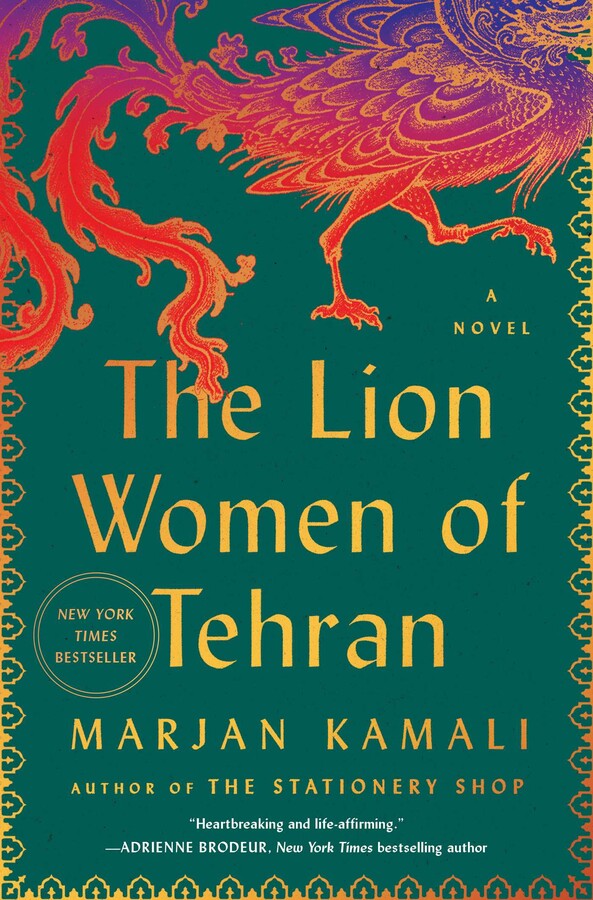
The Lion Women of Tehran by Marjan Kamali is the story of the lifelong friendship of Ellie and Homa, who meet as girls in Tehran, become inseparable for the next decade, and yet are separated for the second half of the lives—Ellie in the United States, Homa in Iran. Kamali depicts their complex relationship along with their differing views on feminism, political activism, and personal fulfillment from the 1950s to the 1980s. She also captures the drastic changes wrought by the 1979 revolution that overthrew the Shah’s monarchy and put in place the Islamic fundamentalist regime that remains in power to this day.
Ellie and Homa, as well as several of the supporting characters, face one difficult situation after another. Is it better to keep your head down and try to live within the limitations in place? Or to take a stand and challenge the status quo in an attempt to improve the lives of Iranians? There is a cost whether they choose action or inaction. Everyone must decide how much they are willing to pay. They each make the choices that seem right at the time, but a betrayal changes everything.
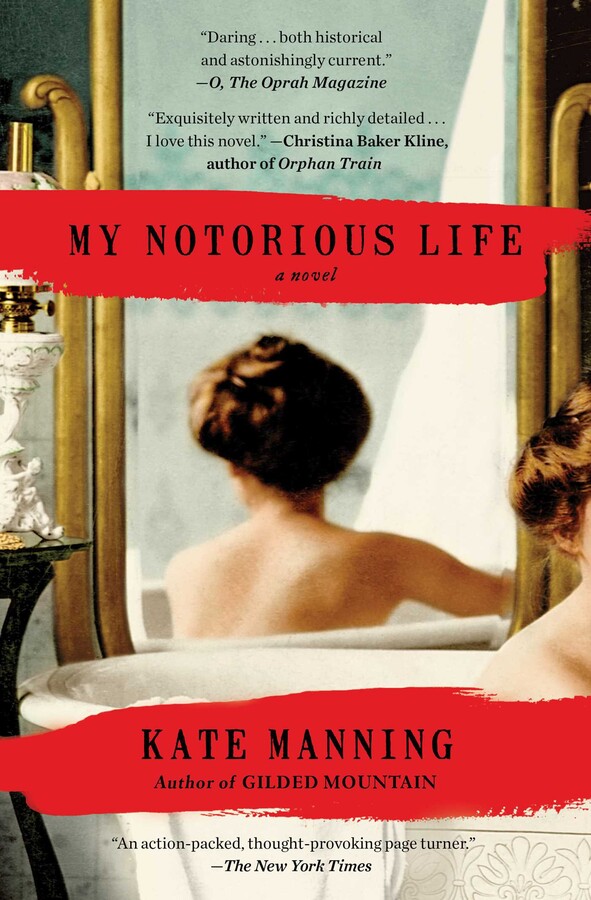
Kate Manning’s My Notorious Life is the amazing story of Axie Muldoon, who grew up poor in mid-19th century New York City but went on to become one of Gotham’s most infamous (and wealthy) characters. After working as a doctor’s apprentice, she becomes a midwife. Confronted by women in desperate circumstances, she adapts her practice, becoming physician Madame DeBeausacq.
My Notorious Life is based on the life of a midwife who was called “the Wickedest Woman in New York” and depicts with page-turning energy her battle for abortion rights against the leader of the Society for the Suppression of Vice. Manning’s Axie is possessed with a fierce determination, compassion, and a profane sense of humor, and her first-person narrative makes for a remarkable read.
You can support this blog by ordering books through my shop on Bookshop.org. https://bookshop.org/shop/openbook
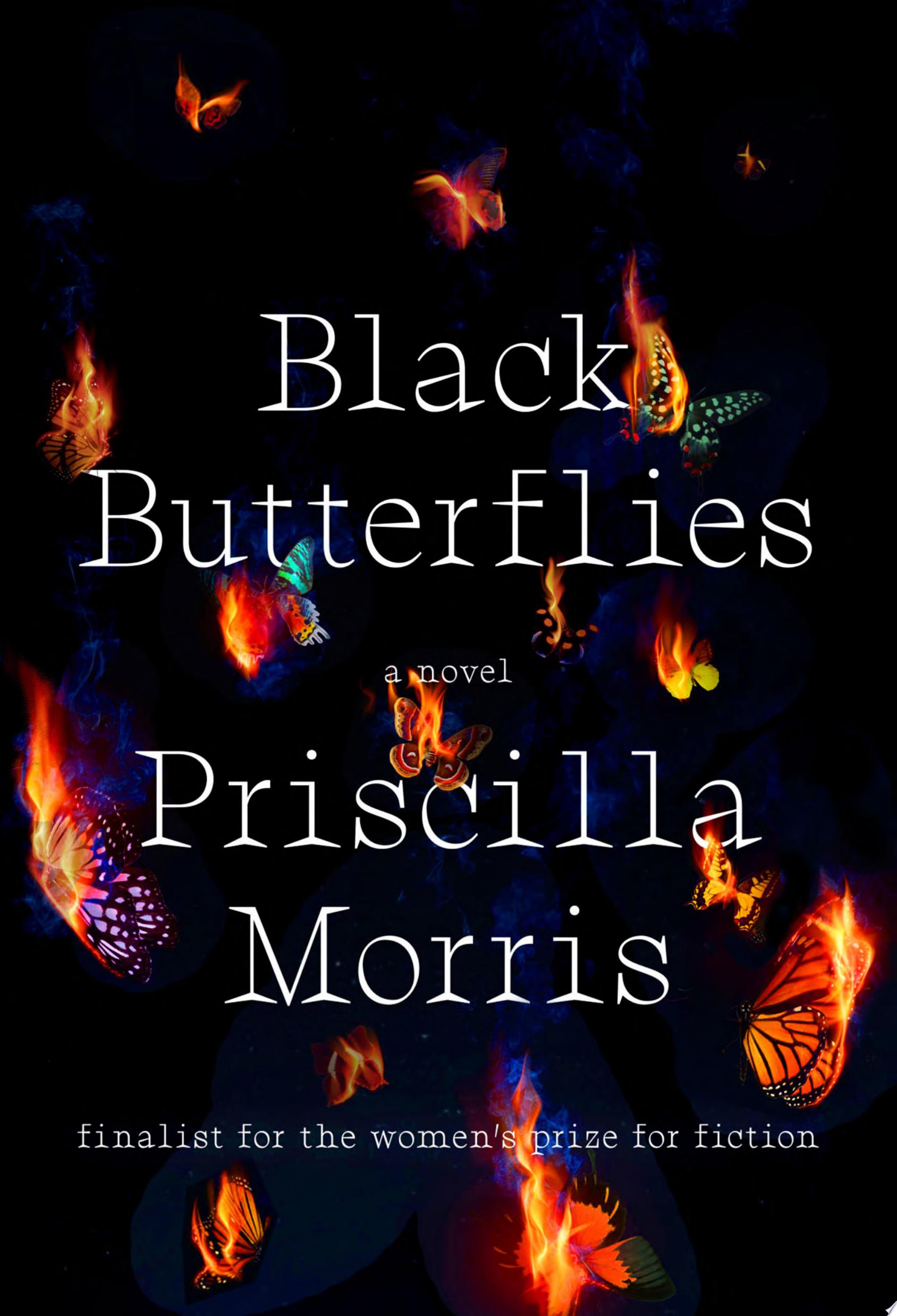
Black Butterflies by Priscilla Morris, which was a finalist for the 2023 Women’s Prize for Fiction, puts readers into the heart of the war in Bosnia in the mid-1990s. She portrays the Bosnian Serb nationalists’ siege of Sarajevo, in which about 350,000 people were trapped for nearly four years, through the story of Zora, a painter and teacher who refuses to leave her beloved city. Morris depicts the daily friction of life under siege, a slow-motion war. Phone lines are cut, then electricity, then water. Zora and the neighbors in her apartment building struggle to stay warm and find food; it’s a daily battle to stay alive. “We are refugees in our own city,” she says.
Black Butterflies is less about the war than the strength, resilience, and resourcefulness of Sarajevo’s residents. Zora tries every way imaginable to contact her family and arrange a way out so she can reunite with them. When the siege began, she was working on a large painting of one of the city’s bridges and becomes obsessed with finishing it despite the war. It’s a powerful metaphor for the beautiful, culturally diverse city of Sarajevo and her hope that it can be saved and bridges rebuilt among Bosniaks, Croats, and Serbs.
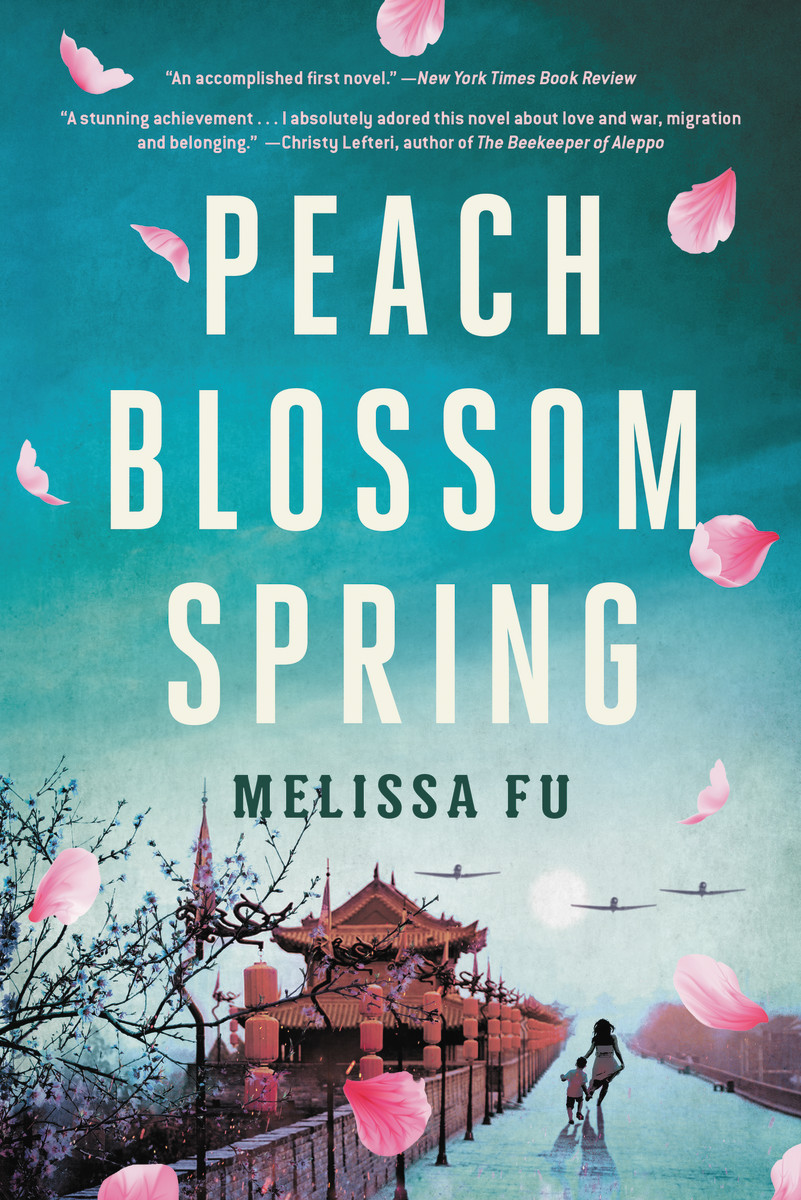
Melissa Fu’s Peach Blossom Spring is the story of four generations of one family over 60 years. When Japan invades China in 1938, Meilin and her young son, Dao Renshu, flee their home in central China. They eventually end up in Taiwan, where Chiang Kai-shek and the Chinese Nationalists have migrated with the hope of returning to mainland China after the Communists are defeated.
The first half of Peach Blossom Spring is an alternately harrowing and heartwarming depiction of refugee life. The second half of the book is the story of Renshu, now renamed Henry Dao, as he attends graduate school in Chicago in the 1960s and settles into life in the United States. But the birth of his daughter and political issues complicate his otherwise contented life. Peach Blossom Spring is a satisfying novel that begins as a riveting story of war and refugee life and then shifts to a domestic drama that explores immigration, culture, and heritage.
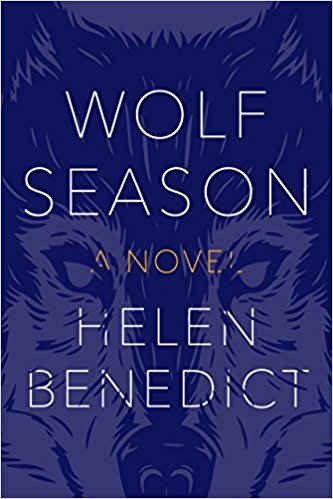
Helen Benedict has carved out a niche as the preeminent writer of women at war in the Middle East and back home. Sand Queen depicted the brutal experiences of a female soldier in Iraq. Wolf Season takes a wider view, following the lives of three very different woman in a small town in upstate New York. Naema, whom we first met as an Iraqi medical student in Sand Queen, is now a widowed refugee doctor working in a VA clinic. Rin is an Iraq War veteran living on an isolated compound in the woods with her blind daughter. And Beth is struggling to hold down the home front with her troubled son while her husband is deployed in Afghanistan. The lives of these very different women slowly become intertwined in both expected and unexpected ways.
Benedict writes with a fierce intelligence suited to the subject matter, and with a deep compassion for these three good women fighting battles at home. She helps us to see aspects of this 18-year-long war that we might otherwise overlook and asks important and uncomfortable questions about the true costs of war.
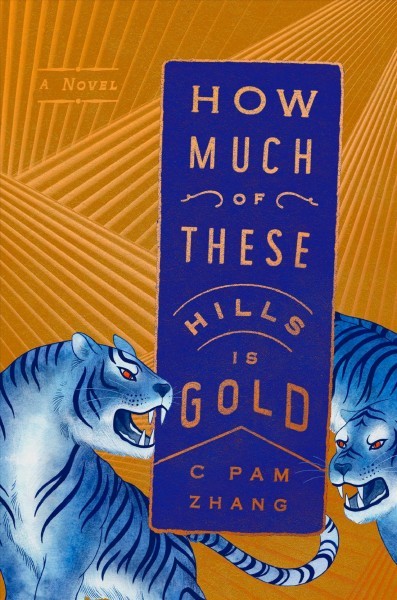
How Much of These Hills is Gold by C Pam Zhang tells the story of a husband and wife and their two daughters, although the bulk of the book concerns the efforts of sisters Lucy and Sam to survive without adult assistance, find a livelihood, and figure out where they can make a place for themselves. Their adventures are both brutally realistic and magical.
How Much of These Hills is Gold also explores the things that unite and divide these two siblings. Lucy and Sam are so different yet welded together by blood and circumstance. Each is on a personal journey to create a new self in this new land.
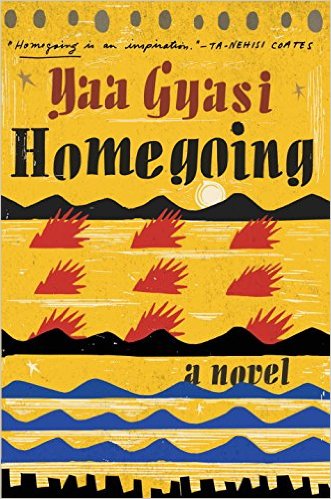
There are three other novels about women from the past that I always recommend: Homegoing by Yaa Gyasi, Great Circle by Maggie Shipstead, and Pachinko by Min Jin Lee.
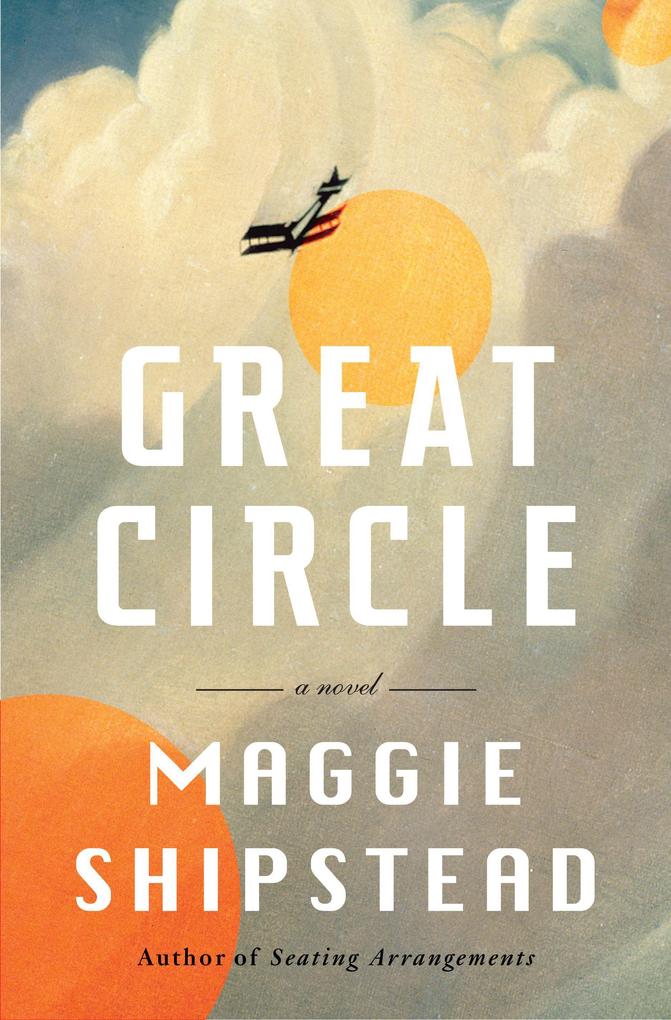
These books are so popular and critically acclaimed that I don’t need to add my two cents’ worth to persuade you to read them. Because you already have, right?
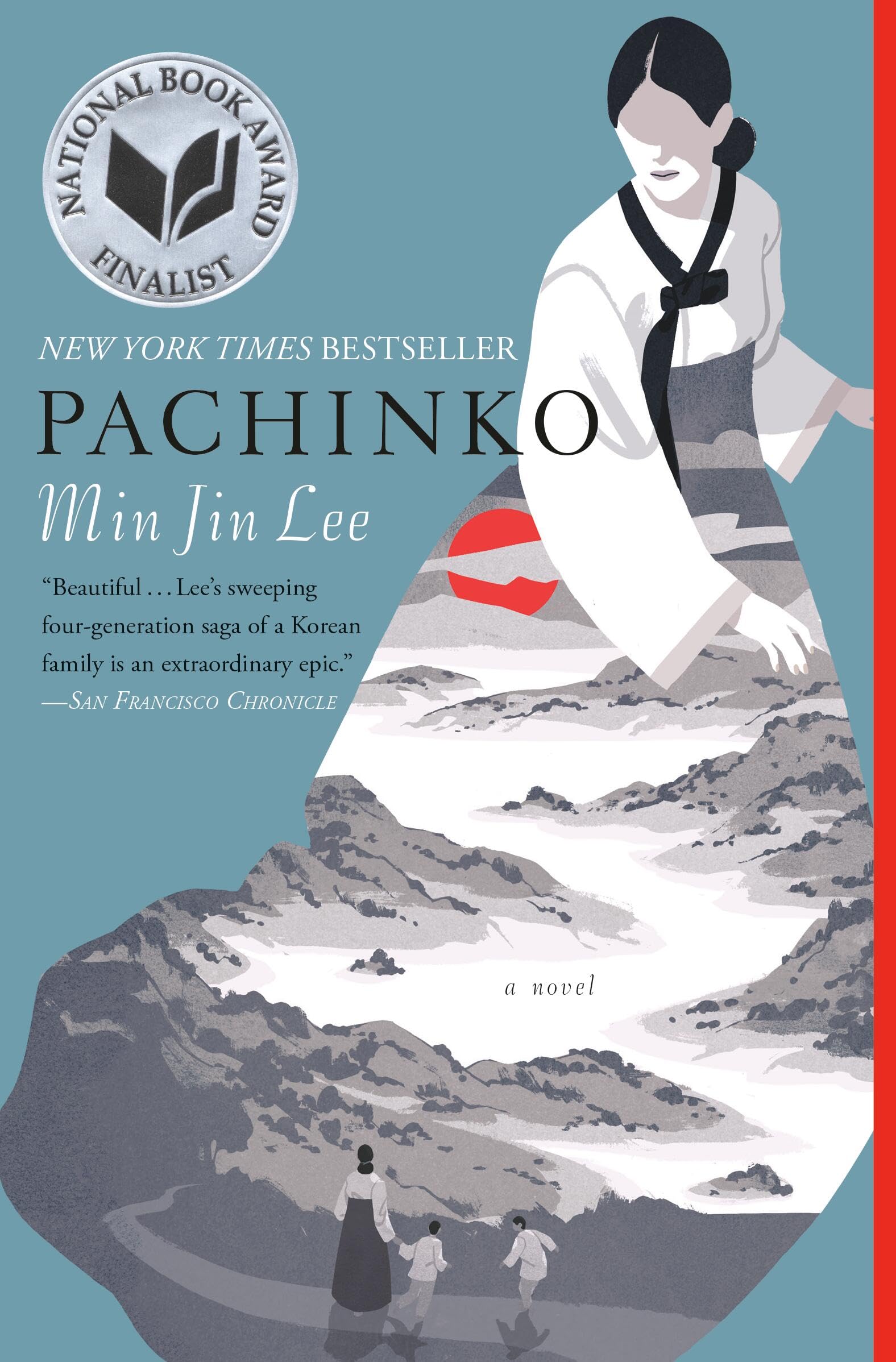
Suffice to say they are among the very best novels of the past 10 years and are already considered modern classics (or is “future classics” a better term?).
NONFICTION
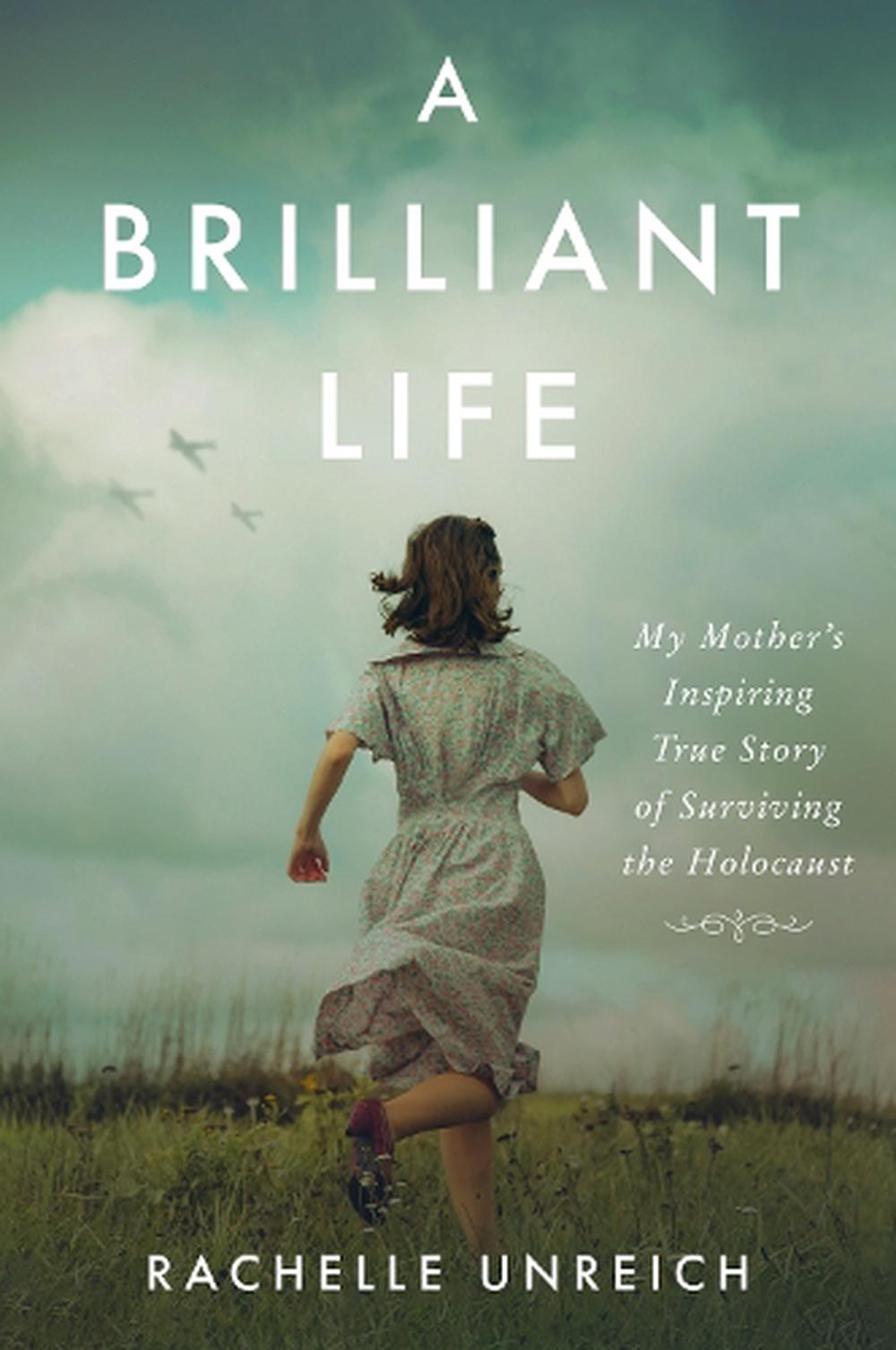
A Brilliant Life: My Mother’s Inspiring True Story of Surviving the Holocaust by Rachelle Unreich is the remarkable life story of Mira Blumenstock. She was born in a tiny village in Czechoslovakia in 1927, the youngest of five children. From the book’s title, you can guess what happened in the late 1930s and early 1940s. But what makes Mira’s story so amazing is the way in which she survives several Nazi concentration camps, including Auschwitz, and a Death March at the end of the war. Blessed with a combination of charm, resilience, and luck (or is it destiny?) that would make for a rollercoaster ride of a novel, she emerges with her spirit intact.
In time, Mira emigrates to Australia and lives until her 90s, sharing her hard-won wisdom and positive approach to life with her children and others over the years. When she is diagnosed with cancer at 88, her daughter Rachelle, a journalist, decides to interview her about her life. She is particularly intrigued by Mira’s undaunted belief in “the goodness of people.” The last few years of Mira’s life are the bookends that put her life in context and help Unreich make sense of her life as the child of a survivor. A Brilliant Life differs from the typical Holocaust memoirs and biographies in ways that make it especially touching and inspiring.
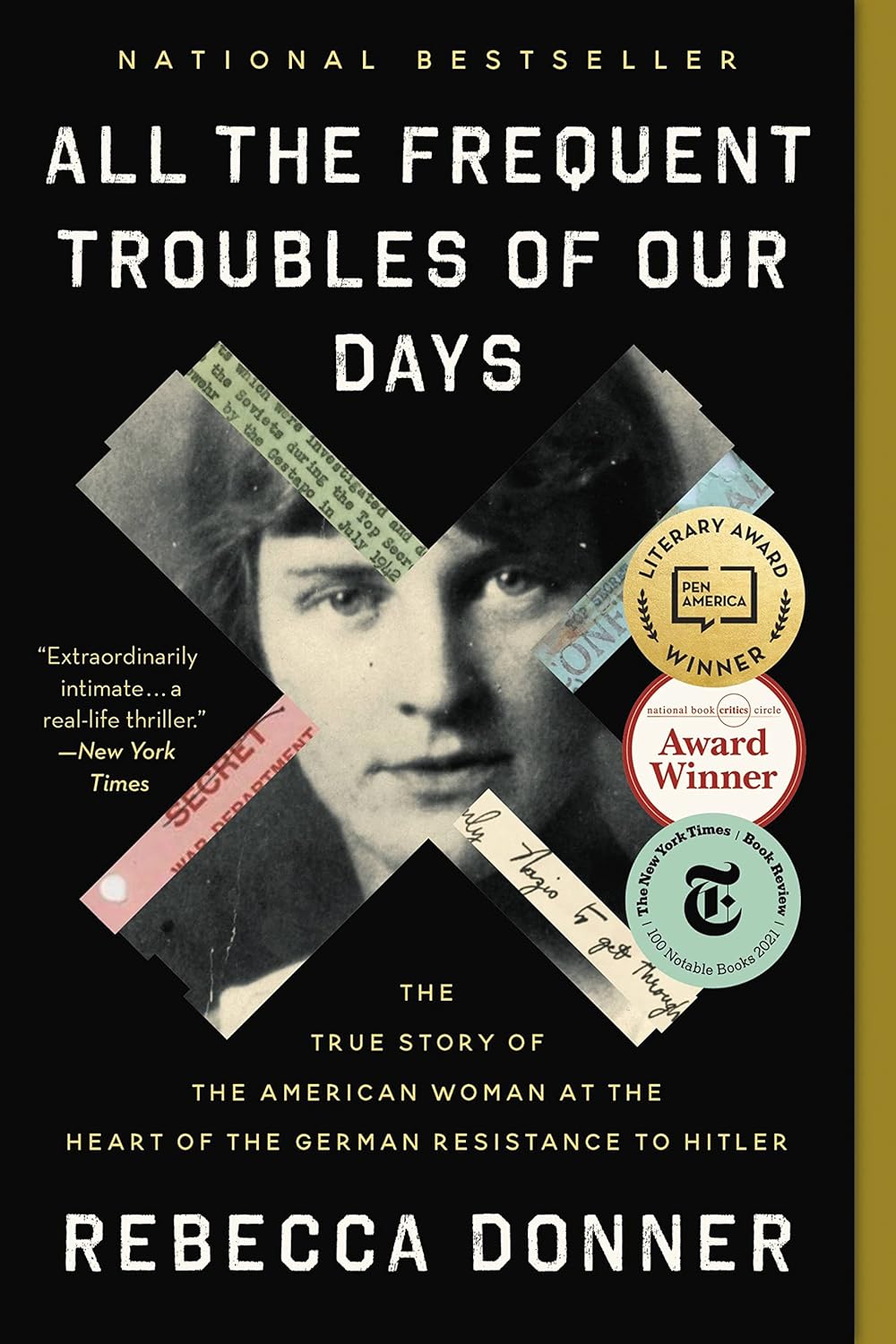
Rebecca Donner’s masterful All the Frequent Troubles of Our Days: The True Story of the American Woman at the Heart of the German Resistance to Hitler uncovers the story of her great-great-aunt, Mildred Harnack, the only American in the leadership of the German resistance. In 1928, Harnack left Milwaukee to earn a PhD and teach American Literary History in Berlin. By 1932, she was holding secret meetings with other political activists to discuss the political climate in Germany. Before long, the group moved underground and became part of the resistance. Harnack recruited Germans, helped save Jews, planned acts of sabotage and, when World War II started, became a spy for the Allies. She did not survive the war.
Harnack’s story remained virtually unknown until the fall of the Berlin Wall in 1989, when East German and Russian archives became available. Donner also had access to Harnack’s personal and family documents. The resulting biography reads like a thriller with literary depth. Mildred Harnack was a remarkable woman, an idealist who did much more than just talk, write, or protest.
All the Frequent Troubles of Our Days won the National Book Critics Circle award for biography, as well as the PEN/Jacqueline Bograd Weld Prize and the Chautauqua Prize. It was a finalist for the Los Angeles Times Book Award and made the Best Books of 2021 list in Publishers Weekly, the New York Times, Wall Street Journal, and The Economist.
 READ HER LIKE AN OPEN BOOK