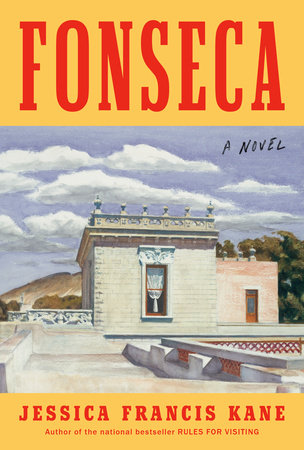
One of the best books I read in 2025 was Jessica Francis Kane’s novel Fonseca. It’s an extraordinary work of empathic and gently comedic imagination, based on real events in the life of British novelist, biographer, and critic Penelope Fitzgerald.
In November 1952, Fitzgerald, pregnant with her third child, undertook an arduous trip to Mexico with her six-year-old son and first-born, Valpy, in order to visit two elderly sisters, distant relations who’d hinted in an exchange of letters that Valpy might inherit their estate.
Desperate to keep afloat the literary magazine she and her husband Desmond were editing and supporting their family with, Fitzgerald boarded a ship with Valpy, landing many days later in the village of Fonseca (based on the town of Saltillo). She introduced her son to the sisters, Elena and Anita Delaney, hoping they’d consider him a worthy heir to their fortune. Its proportions were unclear but believed to be considerable, as it was founded on a lucrative silver mine.
What follows is a spectacularly imagined, multifaceted account of the three months Fitzgerald and her son lived under the Delaney sisters’ roof. Interleaved with more traditional narrative chapters are actual letters Kane received from two of the Fitzgerald children, Valpy and his sister Tina. From what I’ve read elsewhere, the siblings admired how well Kane memorializes and pays homage to their mother in Fonseca. I won’t give too much more away, except to say Valpy and his mother weren’t the only two supplicants in the bibulous Delaney sisters’ home (the afternoon cocktail hours went on and on, the drinks very strong). The other supplicants are all brilliantly characterized, and Kane’s ability to balance pathos with humor is remarkable.
I loved this book. Like Kane, I’ve been an ardent fan of Penelope Fitzgerald’s novels since I read The Blue Flower around 2000. Now I’m also an ardent Jessica Francis Kane fan, and in the coming year plan to read her previous books, starting with her story collection, This Close, and her 2019 novel, Rules for Visiting.
If you’d like to read more about Fonseca, fellow Substacker/The Biblioracle John Warner published an interview with Kane shortly after Fonseca was published last August, which you can find here.
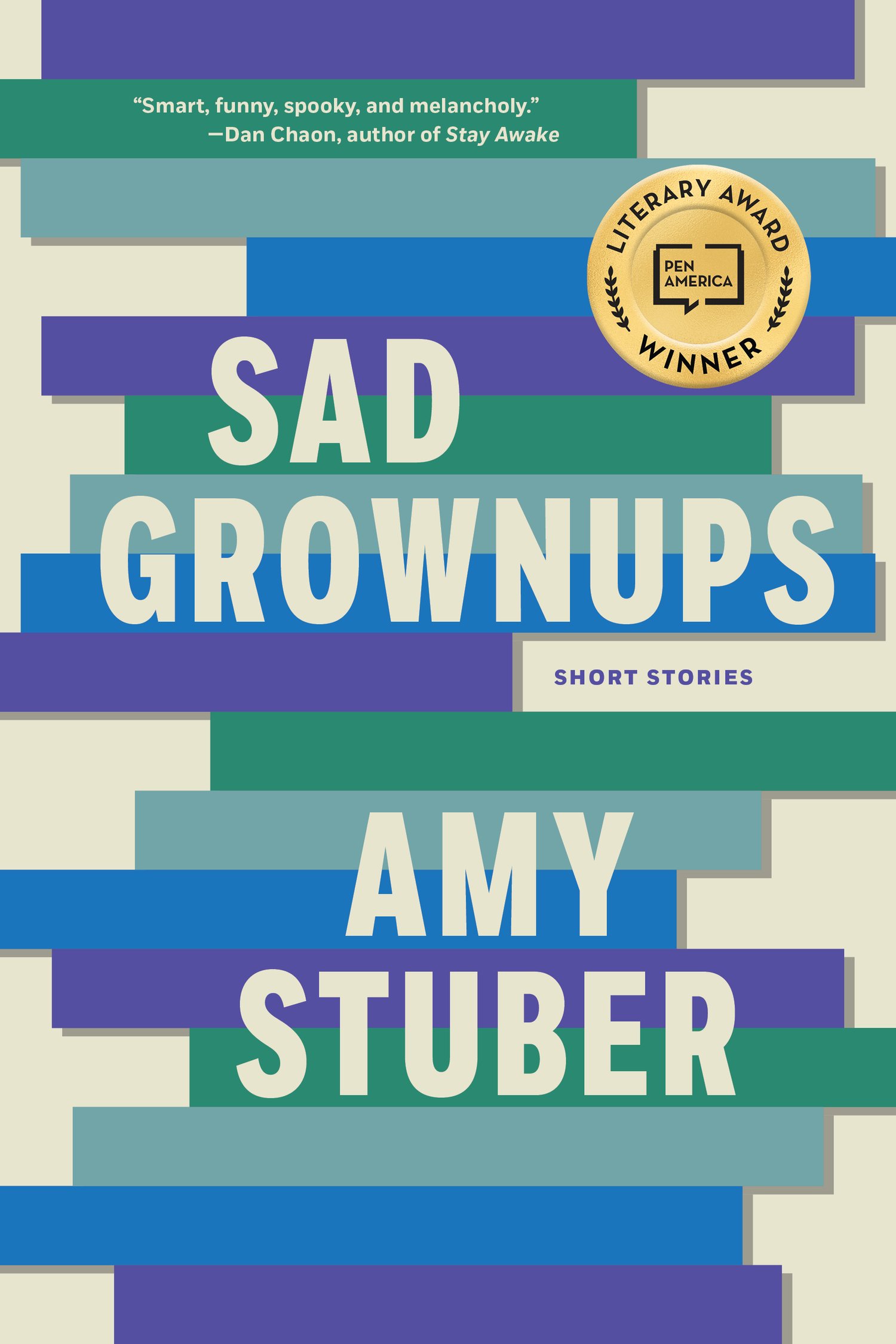
Another book I read last year that I loved is Amy Stuber’s debut story collection, Sad Grownups. Stuber’s blend of pathos and subversive humor is executed with such a sure hand, and her on-the-verge characters are vibrant and lovable in their shambolic realness. Winner of PEN’s 2025 Robert Bingham Prize, this book deserves all the accolades it’s received, and I hope it’ll find more readers. It’s published by an indie press, Stillhouse Press, and presumably wasn’t the beneficiary of a big marketing campaign. Along with Nada Alic’s wacko-brilliant 2022 collection Bad Thoughts, it’s one of the funniest and smartest I’ve read in a while.
Christine Sneed is the author most recently of Please Be Advised: A Novel in Memos, The Virginity of Famous Men, and Direct Sunlight: Stories. Her work has been included in publications such as Story, Ploughshares, New England Review, The Best American Short Stories, and O. Henry Prize Stories. She’s received the Grace Paley Prize in Short Fiction, the Society of Midland Authors Award, Chicago Writers Association Book of the Year Award, among other honors. She teaches for Northwestern University and Stanford Continuing Studies and lives in Pasadena, California.
 READ HER LIKE AN OPEN BOOK