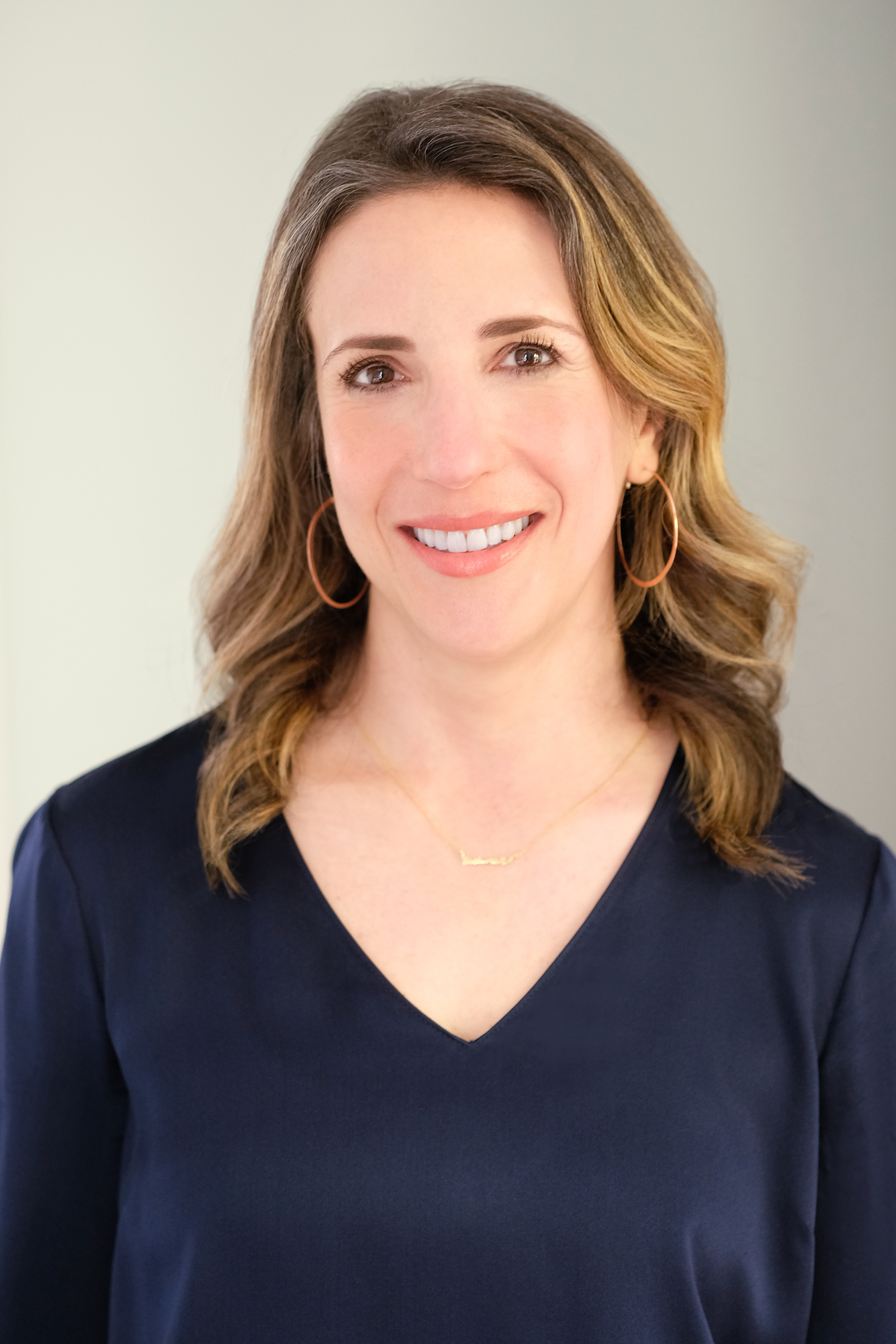
Whenever I’m on a panel for any event benefiting children’s literacy, we are inevitably asked about our favorite, formative books. If I had a dollar for every time I heard someone say, “Heidi,” I could’ve bought a cowbell. Yes, I enjoyed reading The Secret Garden and Mrs. Frisby and the Rats of NIMH, but my own imagination didn’t ignite until the summer I turned thirteen and discovered Agatha Christie.
My father is a bookseller and my mother was a research librarian. I grew up in a household where books were the only religion and consumer goods were generally frowned upon unless we could find them second-hand or at a deep discount. The exception: books. My father would take us into a store and while he was talking to the proprietor and looking for his own selection he would say to us, “Get whatever you want, girls.” We had absolute carte blanche, no questions asked.
That is how I came to purchase Ms. Christie’s entire oeuvre at one go, which I then read over the course of our month’s summer holiday. Parking myself on the green couch with a giant bar of chocolate, I would start a book just after breakfast and finish it later that night sometime after the adults had gone to bed, always surprised by the denouement.
I did not grow up to be a mystery writer (not yet anyway!) but reading these carefully crafted novels was a masterclass in story structure, in the detailed depiction of everyday life, in misdirection. But what I loved most was the narrative power of constriction. England between the wars felt similar to my own upbringing on New York’s Upper East Side, with its somewhat arbitrary social mores, the currency of gossip, and the rage and darkness simmering just under the polite, polished surface.
Perhaps we didn’t have murderers running loose. But we had no shortage of monsters. The corridors of power teem with pathological narcissists capable of profound cruelty. I have always been attracted to writing about the dissonance between public-facing selves and private demons in seemingly placid places of privilege. That dissonance formed the underpinning of my first novel, The Nanny Diaries, and it’s a space I was excited to revisit in my first solo work, The Best We Could Hope For.
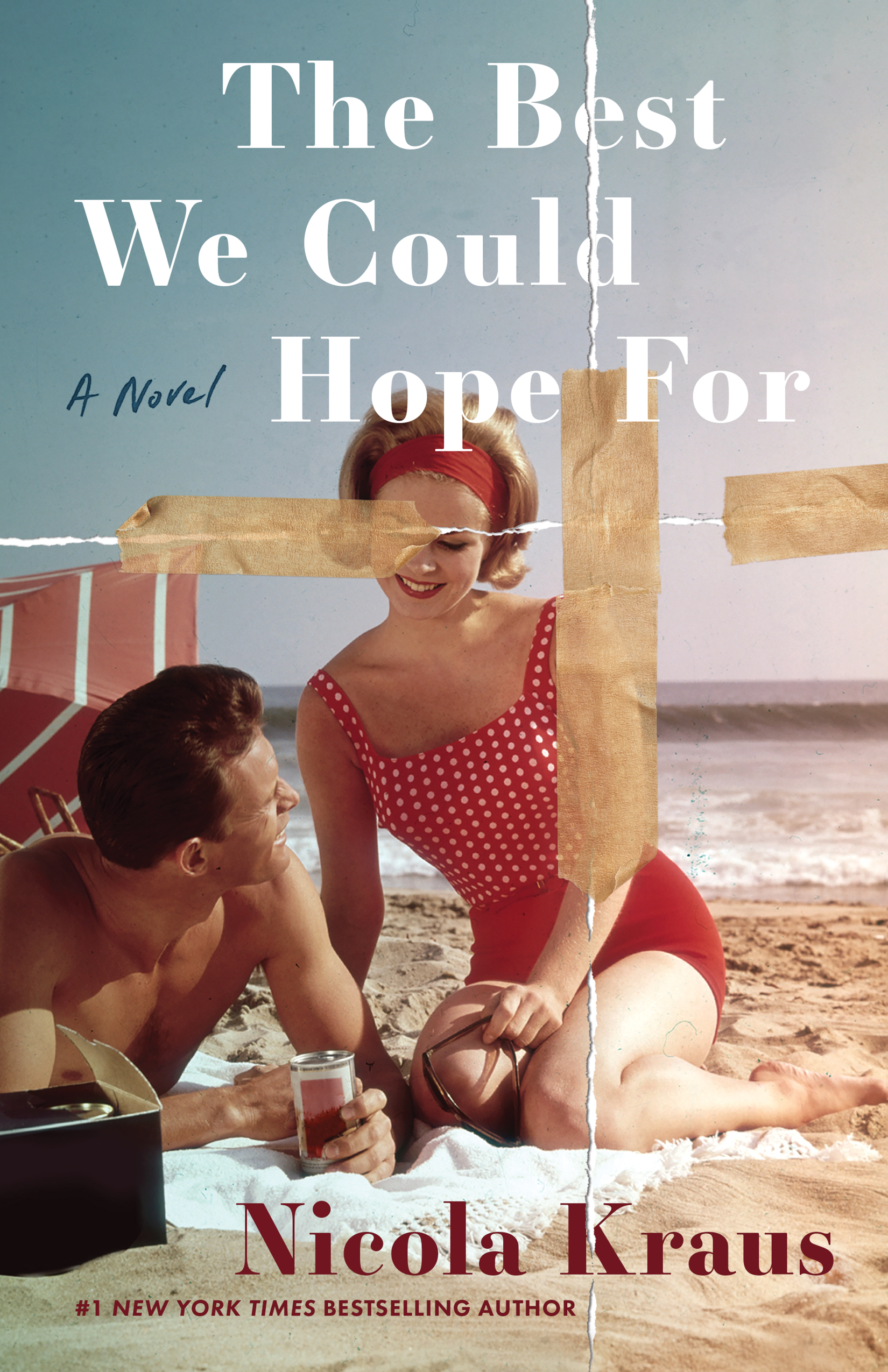
I was especially curious about the mothers of my generation, women born just before WWII who watched the world and opportunities radically change under their feet during the 1960s, who mastered the game, only to find the rules had changed. Who were navigating within a patriarchy that determined their worth based not on who they were but what they did. And then limited those possibilities. How could they connect to what genuinely matters, loving and being loved, in a community that had taken that success metric off the leaderboard? And replaced it with an impossible ideal that allowed no space for vulnerability or imperfection?
For many it was a set-up that left them feeling impossibly trapped. And as Ms. Christie will teach you, no one is more dangerous than a trapped person.
But I also learned as a thirteen-year-old that the path back to balance lies in the hands of the investigator, the person who is willing to look closely, make no assumptions, and take in the truth of everyone beyond how they present themselves. Writers are those people. We ask powerful, reframing questions like, “But what if?” But what if she was jealous of her daughter? What if he’s lying? What if she thinks there’s no way out?
And our generation can be those people in real life. We can keep digging past the family myths, the facile excuses, the self-delusions. We can arrive at the immutable truth for ourselves. And once we’ve solved the crimes against us, we can put the kettle on, kindle the fire, and return to our knitting.
The world is back in order.
Nicola Kraus has coauthored, with Emma McLaughlin, ten novels, including the international #1 bestseller The Nanny Diaries, Citizen Girl, Dedication, and The Real Real. Her first solo novel, The Best We Can Do, will be published on May 13. Nicola has contributed to the Times (of London), the New York Times, Redbook, Cosmopolitan, Glamour, Town & Country, and Maxim, as well as two short story collections to benefit the War Child Fund: Big Night Out and Girls’ Night Out. In 2015 she co-founded the creative consulting firm The Finished Thought, which helps the next generation of aspiring authors find their voice and audience. Through her work there, she has collaborated on several New York Times nonfiction bestsellers. For more information, visit www.nicolakrausauthor.com.
 READ HER LIKE AN OPEN BOOK