Last summer, I got in the habit of taking long walks in the early evenings, wandering until the sun hung low in the sky and I knew it was time to make my way back to my car before it got too dark. Most of my walks took place on the expansive campus that houses all the public-school buildings in my town, from elementary through high school.
On my walks, I’d pass a track that circles the high school football and lacrosse field. Next to the track are tennis courts. Along the paths behind the school buildings are soccer fields, softball and baseball diamonds, and an outdoor basketball court.
I’d see young people occupying those spaces practicing their sports. Sometimes the person practicing was alone, or sometimes they were with one or two companions. I saw them kicking soccer balls into goals, dribbling basketballs, practicing lacrosse passes, pitching ball after ball pulled out of a bucket of baseballs, running wind sprints, and practicing hitting. One night, I saw two cheerleaders trying to match their steps as they practiced a routine over and over again on the football field.
By late August, full teams started assembling on the fields, ready to begin practicing for fall sports, coaches showing up to direct them. Each night as I walked, I thought about all that effort over the early weeks of the summer, all those nights those young athletes spent practicing alone or in small groups with only me and the other evening walkers to witness their efforts. I thought ahead to the fall and to the touchdowns and points scored and well-synchronized cheers after all those months of steady practice.
Those hours of practicing in the dusk seem similar to me to the invisible work writers do. Readers are often presented with just the final product, a book with an attractive cover and pages that have been edited and copyedited. What readers generally don’t see is the work of being a writer: the countless hours of writing and rewriting, the submissions, the process of working with agents and editors, the years making connections to and supporting other writers, the long wait between when a book is accepted for publication and when it appears as an actual object. Just like a spectator at a sporting event, a reader who pulls a book off a shelf in a library or bookstore sees the final result, not those hours of work that start while the sun is high in the sky and continues into the darkness of night.
In August, I ran into an acquaintance who’d been offered a buyout from his employer. I asked if he was planning to take the buyout, and he said the offer wasn’t generous enough for him to leave his job. Then he told me he’d been traveling a lot that summer and kept noticing all the books in airport newsstands. “If I could write novels like those, if I could make a lot of money like those authors, I’d take the buyout,” he told me, a wistful tone in his voice.
“People who make a lot of money from writing often have so much pressure to produce. Sometimes they’re expected to write a book a year,” I said. “I certainly couldn’t do that.”
“I could quit working if I could,” my acquaintance replied.
But writing, including creative writing, is work, I wanted to say. I told him about a conversation I’d had with an author who supports herself through her writing and publishes a book every year. She said she’s always simultaneously writing a new book, editing a book that would soon be published, and traveling to promote her most recently published book. Even if it’s gratifying and some parts of it are fun, it’s still work, still a job she has to show up for each day.
In January, I spent two weeks teaching in a low-residency MFA program. An author whose novel is currently on the New York Times bestseller list came to visit and gave a talk. She said that even though her current bestseller is her first published novel, it’s the eighth one she’s written. She talked about those unpublished novels she wrote while working multiple jobs and the long and difficult path to getting this one published. From the outside, she might seem like an overnight success, but there were all those years when she was writing and rewriting and editing and collecting rejections and taking classes and learning, and none of these things are obvious to a reader who just picks up her beautiful novel from the bestseller shelf in an airport newsstand.
I thought of my acquaintance while I was listening to the author, and I wished he could hear her story. I know he’s a sports fan, and, to me, it would have been just as outlandish for him to say that he wished he could quit his job to become a professional athlete without putting in the years of training to become one. But I don’t think he would have allowed himself to consider and voice that possibility because there’s something different about watching an athlete perform versus holding a finished, edited book in your hands. When you watch a professional athlete compete, you see sweat dripping down their brow, the twisted ankle, the missed shot. You generally don’t see all the work the athlete does to prepare for a game, but you see the athlete moving, competing, working, winning, losing during each game. You see their bodies do things that most people’s bodies can’t. With published writers, you often only see the wins—the plot that has readers turning pages quickly, the character who feels so real it’s as if they’re an old friend, the heart-wrenching ending—and don’t see the physical act of work, the complete rewrites, the edits, the rejections, and the years and years of learning and improving as a writer that go into a novel that someone can read in a handful of hours.
The MFA residency is an intense and compressed experience, aiming to fit a semester’s worth of work into just a few weeks, so I got to witness much more of my students’ writing process than I do when I’m teaching undergraduates during fifteen-week semesters. Among other work, my graduate students each wrote a short story at the beginning of the residency and workshopped and revised it several times before presenting it at a student reading at the end of the residency. The students stayed up late and got up early to cut away passages, add new scenes, employ feedback they’d received in class each morning, scrutinize each detail for how necessary it was, select precise words to communicate meaning. Like those young athletes attempting to kick soccer balls into nets each summer evening, these apprentice writers were trying and trying and trying again to get things right.
At the student reading, they presented polished pieces and, yes, to someone who’d just wandered into the bookstore where the reading was held, it might have seemed effortless, in the way a jump shot that’s the result of months of practice might. What the audience saw was the result but not all the work that came before.
Like my acquaintance, I am no stranger to wishful thinking about paths my life could have taken, paths that might be easier or more gratifying or might earn me more respect or pay better. On most days, I’m glad to be both a teacher and a writer, but on days when work is difficult or when I feel unappreciated, I let my mind wander and consider what other paths I might have taken (rock star! Wildlife photographer! Architect! Bookstore owner! Life-saving surgeon!), even if I have no background in these fields or aptitude for these professions.
When my mind starts to wander in these ways, I make my fiction-writer brain take over to try to figure out the story behind what these jobs appear to be to be on the surface. I remind myself that work is work, and even professions that might seem fulfilling or easy or exciting from the outside involve the frustrations and mundanity and failures inherent to any kind of prolonged work. Even creative work—in any field—never consists solely of bursts of creative inspiration. Think beyond the surface story, I tell myself, as I go about my days and benefit from other people’s work. Think about the good haircut, the dinner at the restaurant where the flavors meld just right, the electrician who knows immediately what’s wrong with the wiring. None of these things just happen, none of these things are simply luck; they’re a result of training and studying and work and practice. There’s always a backstory to a job done well.
Right now, I’m stuck inside, snow piling up outside my window, waiting out the biggest winter storm we’ve had in a few years. I’m drinking tea and working on a new novel. The novel has been going slowly because I had to scrap about a hundred pages because they just weren’t working. I’m also trying to experiment a bit in this book, in ways I haven’t tried before, and it’s taken time to figure out what might make these experiments succeed. I hope at some point this manuscript will become a published book, and I’d consider myself lucky if a reader picks up the book and thinks I’ve pulled something off, that I’ve produced something that seems easy and effortless.
In the meantime, I’ll keep plugging away at this novel, keep writing through this winter that seems interminable, and I hope by next summer, when I can get outside for walks again, I’ll have solved some narrative problems and smoothed out many of the rough edges the manuscript currently has. And I hope I’ll see those young athletes out on the fields again in June and July doing the hard and mostly invisible work after the snow is melted and the tall white piles now lining the roads are a distant memory.
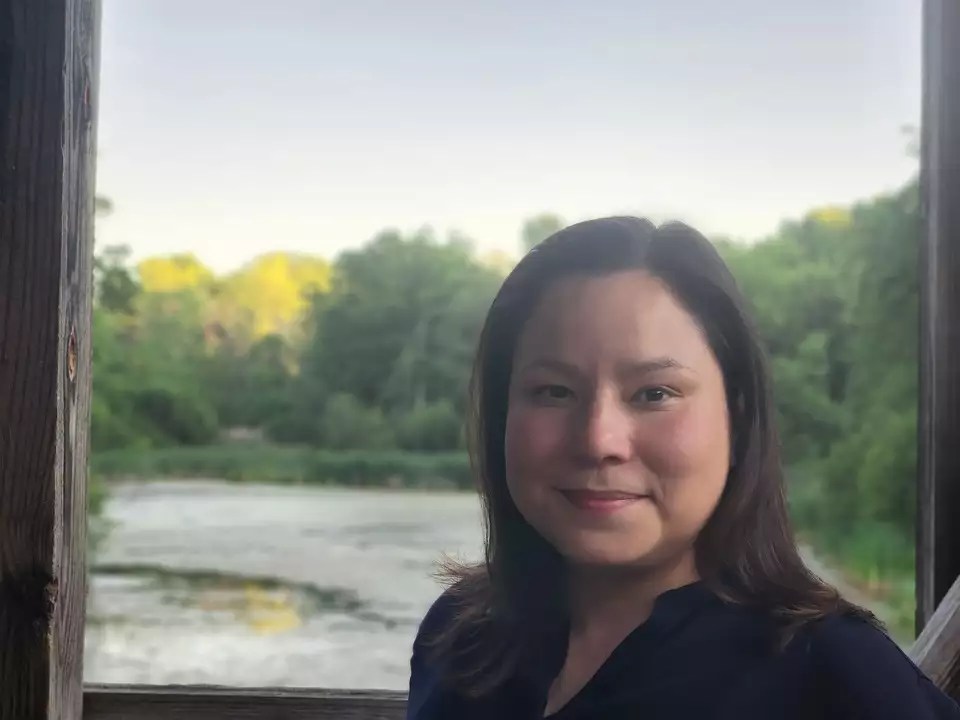
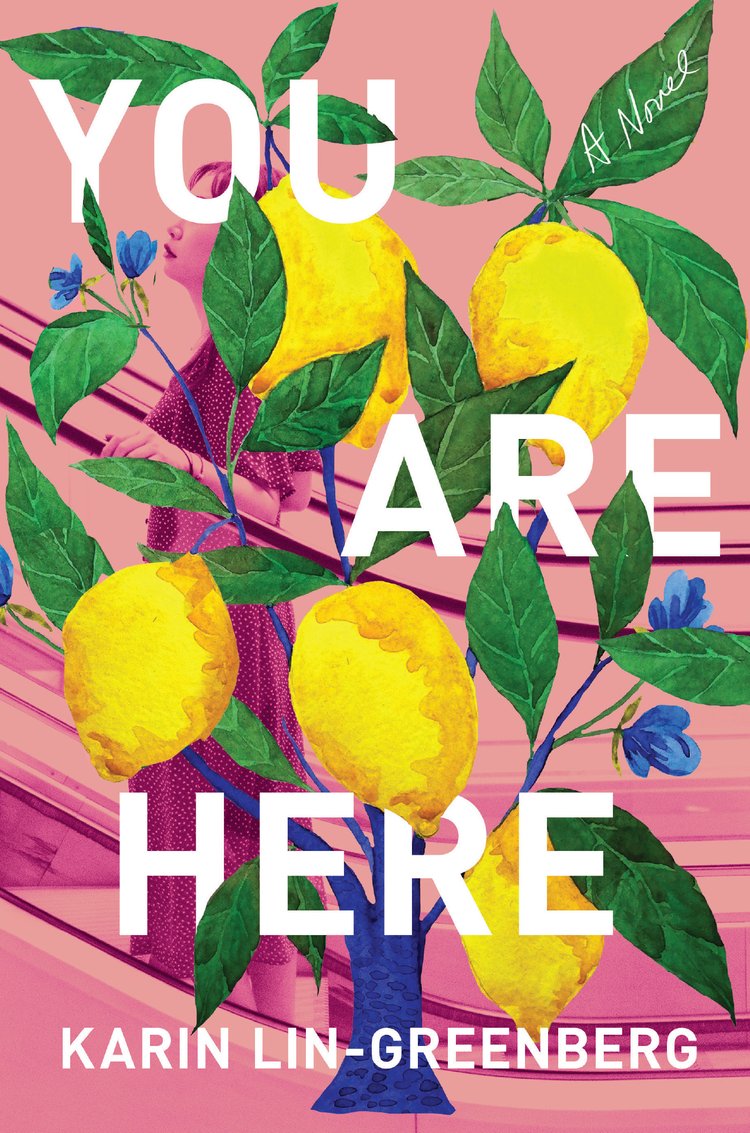
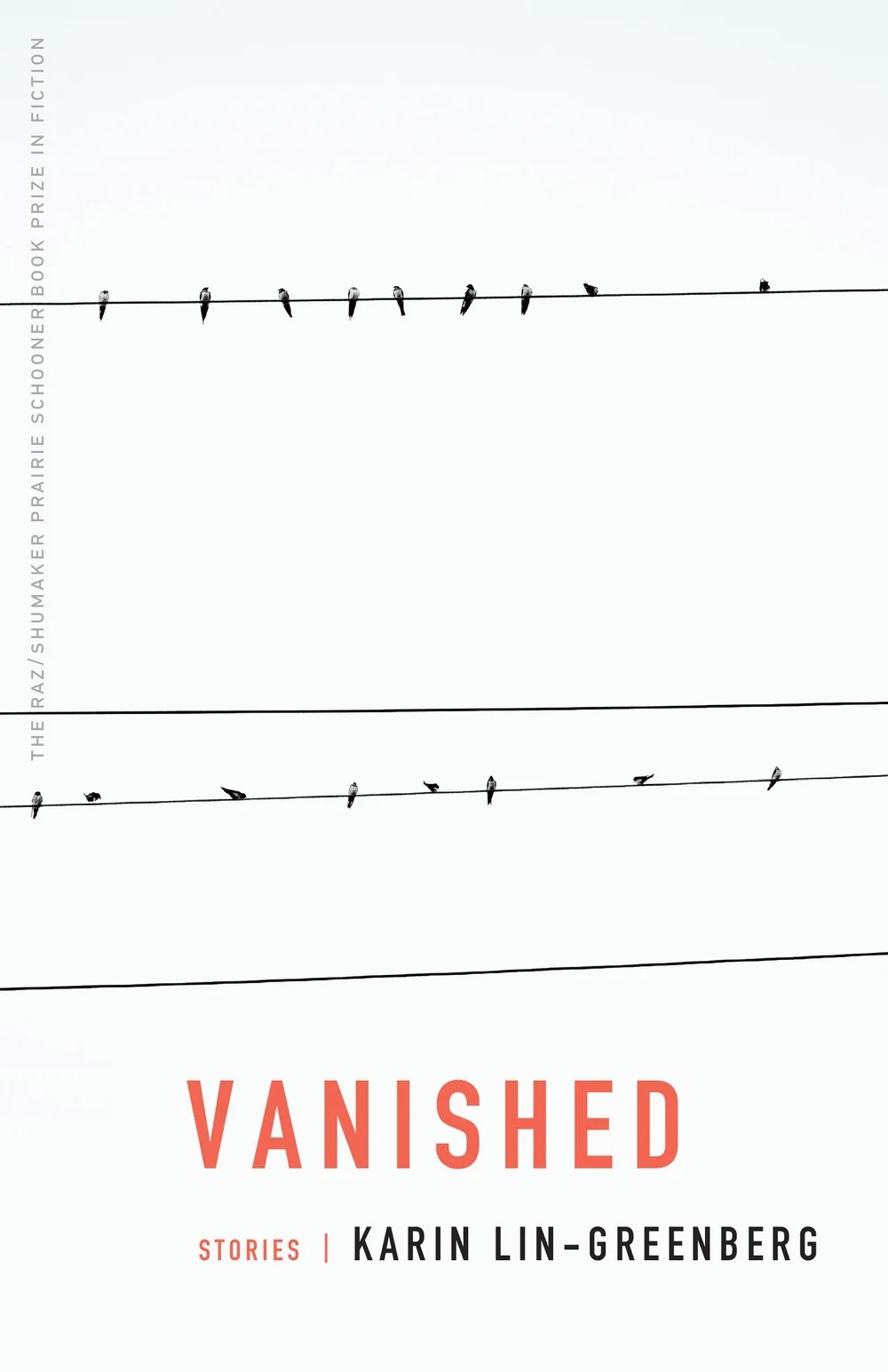
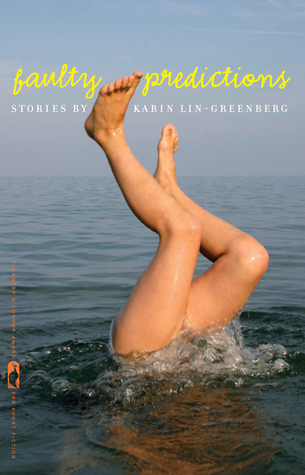
Karin Lin-Greenberg‘s first story collection, Faulty Predictions, won the 2013 Flannery O’Connor Award in Short Fiction from the University of Georgia Press and won gold in the Short Story category of Foreword Reviews’ INDIE Book of the Year in 2014. Her second story collection, Vanished, won the 2021 Prairie Schooner Raz-Shumaker Book Prize in Fiction and was published by the University of Nebraska Press in 2022. Her debut novel, You Are Here, was published by Counterpoint Press in May 2023. Her story “Housekeeping” received a Pushcart Prize and was listed as a Distinguished Story of 2020 in Best American Short Stories 2021. Currently, she lives in upstate New York and is an associate professor in the English Department at Siena College. She also teaches in Carlow University’s low-residency MFA in Creative Writing program.
 READ HER LIKE AN OPEN BOOK