Each February, during Black History Month, book lovers share their favorite books by Black authors. Many of the books are classics or at least widely known. Here are some lesser-known books by Black women that I recommend wholeheartedly. They concern events, issues, and lives from pre-Civil War days to the present day and represent a wide range of approaches to storytelling, from flash fiction to a brick-sized epic.
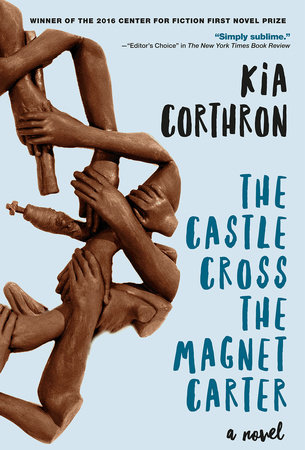
The Castle Cross the Magnet Carter — Kia Corthron (Seven Stories Press)
Kia Corthron is best known as a playwright, but in her nearly 800-page debut novel she demonstrates that she is also a novelist to be reckoned with. Castle is the story of two white brothers from rural Alabama and two black brothers from small-town Maryland that moves from 1941 to early in the 21st century. The core of the story is the civil rights movement, which has a powerful impact on all four characters.
Eventually, the trajectory of their lives brings the two families together, with explosive results. Corthron’s years in the theater make for crackling dialogue, and her inventive approach to storytelling is spellbinding. It’s no surprise that The Castle Cross the Magnet Carter won the Center for Fiction First Novel Prize. Angela Davis called it “a stunning achievement by any measure.”
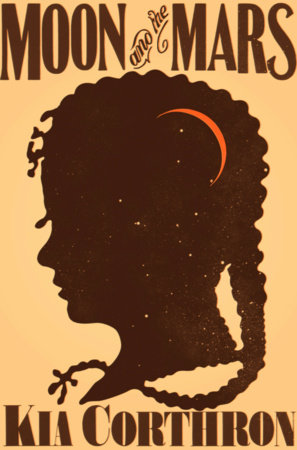
Moon and the Mars — Kia Corthron (Seven Stories Press)
Kia Corthron’s second novel, Moon and the Mars, is set in the impoverished Five Points district of New York City in the years 1857-1863. Moon and the Mars allows readers to experience neighborhood life through the eyes of Theo, an orphan living between the homes of her Black and Irish grandmothers, from childhood to adolescence. Theo witnesses everything from the creation of tap dance to P.T. Barnum’s sensationalist museum to the draft riots that tear NYC asunder, amidst the daily maelstrom of Five Points work, hardship, and camaraderie. Meanwhile, white America’s attitudes towards people of color and slavery are shifting as the nation divides and marches to war.
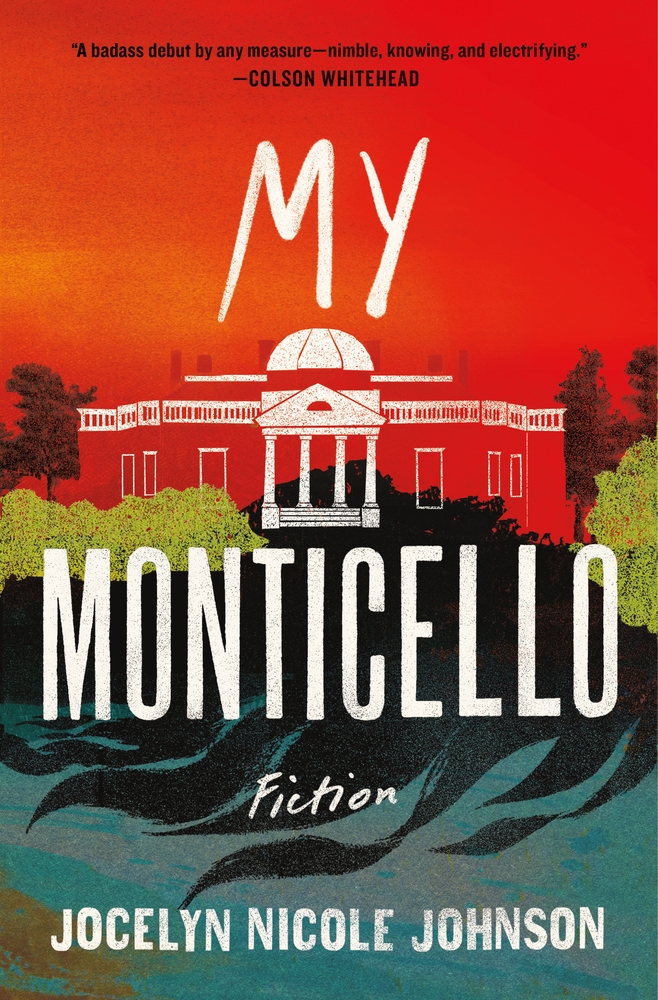
My Monticello: Fiction — Jocelyn Nicole Johnson (Henry Holt)
My Monticello, comprising five short stories and the title novella, is a commanding performance by a “new” author in full possession of her writing powers. Johnson grabs your attention with the opening story, “Control Negro,” and holds it for the next 200 pages. In this story, a university professor has a child with a married grad student and decides to use their son as a sociocultural experiment, anonymously providing him with all the advantages of the “average American Caucasian male.” Not surprisingly, things don’t go quite as the professor planned.
The stories that follow aren’t quite up to that standard but nonetheless display Johnson’s range and talent. The heart of the book is the title novella, which is a riveting piece of quasi-dystopian fiction set a couple decades hence in Charlottesville. Taking the “Unite the Right” rally of 2017 as a starting point, Johnson imagines a societal breakdown that leads to white supremacist gangs taking over the city, forcing residents of color to flee. A group of sixteen mostly Black neighbors decides to head up to Monticello, using it as a fortress with a view to the violence below. Johnson writes with such empathy for her complex characters and the many challenges they face that the collection’s heart remains with you as much as its intellect.
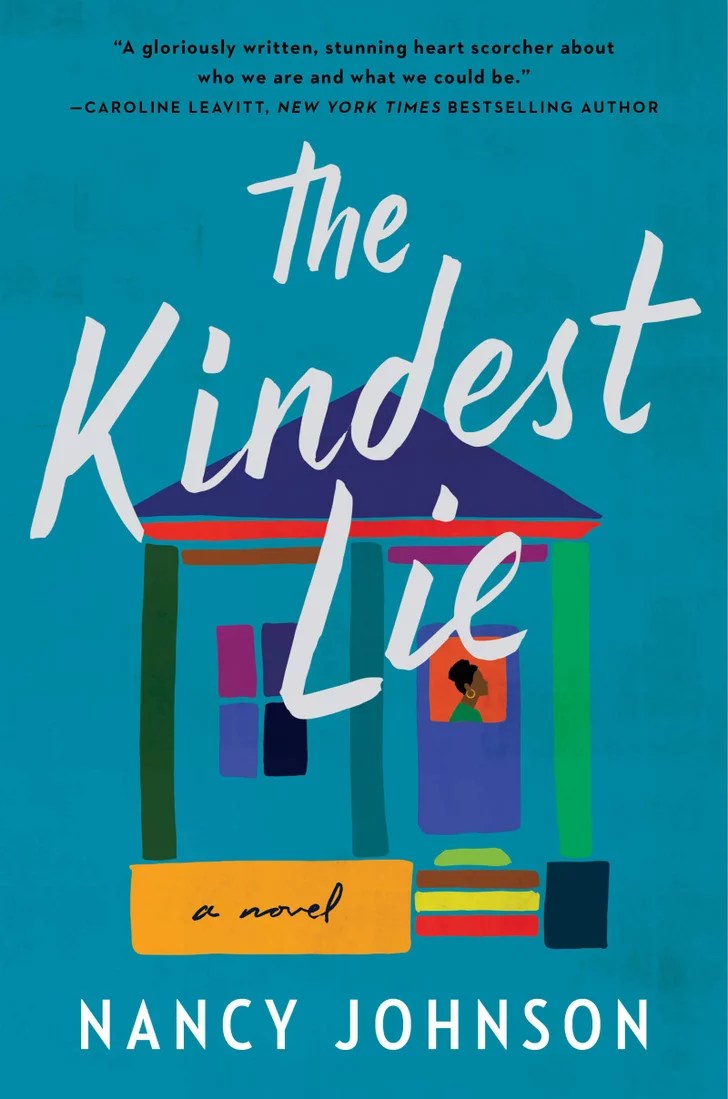
The Kindest Lie — Nancy Johnson (William Morrow)
It’s late 2008 and Barack Obama has just been elected president. For a young Black professional like 29-year-old Ruth Tuttle, the future looks bright. A graduate of Yale who works as a consumer products testing engineer in Chicago, Ruth is married to Xavier, a PepsiCo marketing executive who adores her and is excited about starting a family. But instead of looking forward, Ruth is drawn back into her past – a past she has kept secret for 12 years. As a high school senior about to leave her tiny Indiana town for the Ivy League, she became pregnant. Her grandmother, who has raised Ruth since her drug addicted mother abandoned her, convinces her to give up her baby boy for adoption so she can create a new life for herself at Yale.
The core of The Kindest Lie is Ruth’s preoccupation with learning what happened to her son. In searching for information about him from Mama and her older brother Eli, she discovers that the story she’s told herself for a decade is incomplete. Ruth’s Christmas visit to her hometown leads her down paths she hasn’t taken in a decade, revisiting people and events she has mostly ignored since she went away to college and settled into her upper middle-class lifestyle in downtown Chicago. She realizes she has been distant from her people and parts of herself for too long. The Kindest Lie skillfully examines the cost to Ruth and her family of achieving her American Dream.
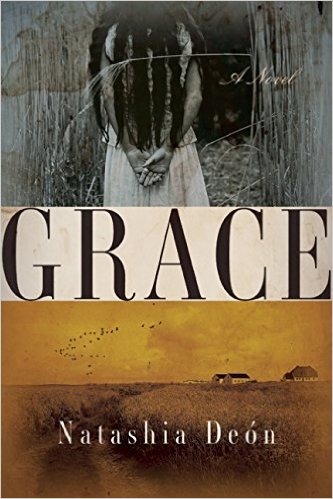
Grace — Natashia Deon (Counterpoint Press)
Natashia Deon’s Grace takes an unblinking look at the consequences of slavery on women, both the mother-and-child relationship and their freedom to love whom they choose. Starting in Alabama in the 1840’s, Grace tells the story of 15-year-old Naomi, a runaway slave who finds sanctuary in a Georgia brothel run by a free-minded madam named Cynthia. There Naomi falls in love with a white client and has his child, whom she names Josey. From this point, Grace becomes the story of Josey as narrated by Naomi. Half-white, visibly different from the other slaves, she is raised by a freed slave named Charles. When the Emancipation Proclamation is issued, Josey is free, but her fight for dignity is just beginning. Laws don’t automatically change the hearts and minds of the people, and Josey is forced to make her way through a violent, post-Civil War world. Naomi’s narrative voice is authentic and vivid in its unflinching telling of this difficult but necessary and unforgettable story.
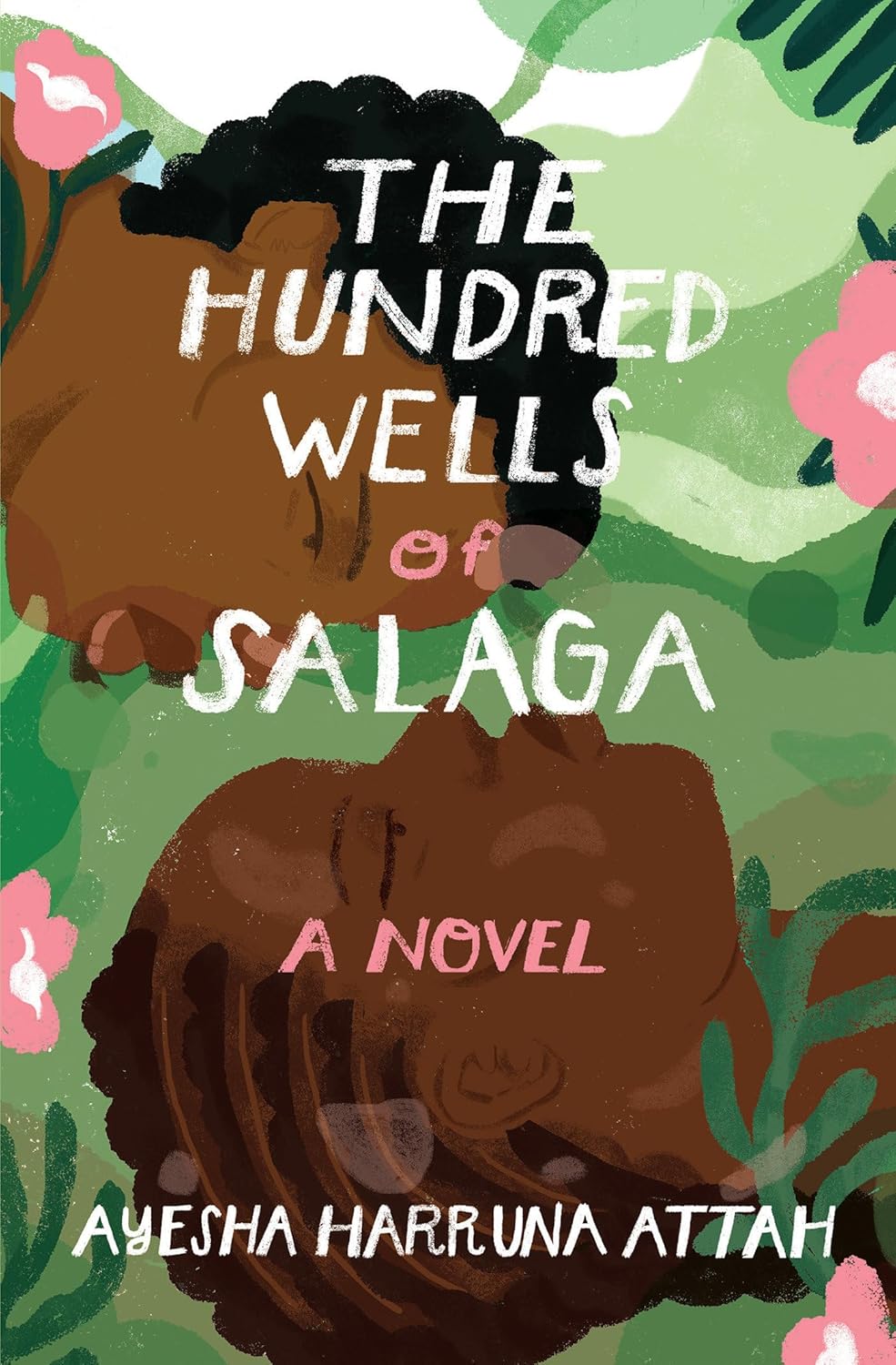
The Hundred Wells of Salaga — Ayesha Harruna Attah (Other Press)
Ayesha Harruna Attah’s third novel is based on the experiences of her great-great grandmother, who was captured by African slave traders and sold at the slave market in Salaga, Ghana. Attah has reshaped that story into the narratives of two very different young women in late 19th century Africa, just as the British and Germans are making inroads for trade. Aminah is a village girl who is captured by African slave traders and taken to Salaga, where she is sold to an abusive farmer. Wurche is the daughter of a chief and is clearly a natural leader herself. The girls’ stories are told in fast-paced alternating chapters; the plot becomes more complex and the tension increases as their paths approach and then cross.
The most notable aspect of The Hundred Wells of Salaga is the way Attah gives us both a wide-angle view of pre-colonial West African life, including tribal alliances and warfare, and a close-up look at the two girls’ very different lives to show us the range of cultures and experiences there. The result is a compelling story of a time and place we need to know more about and better understand.
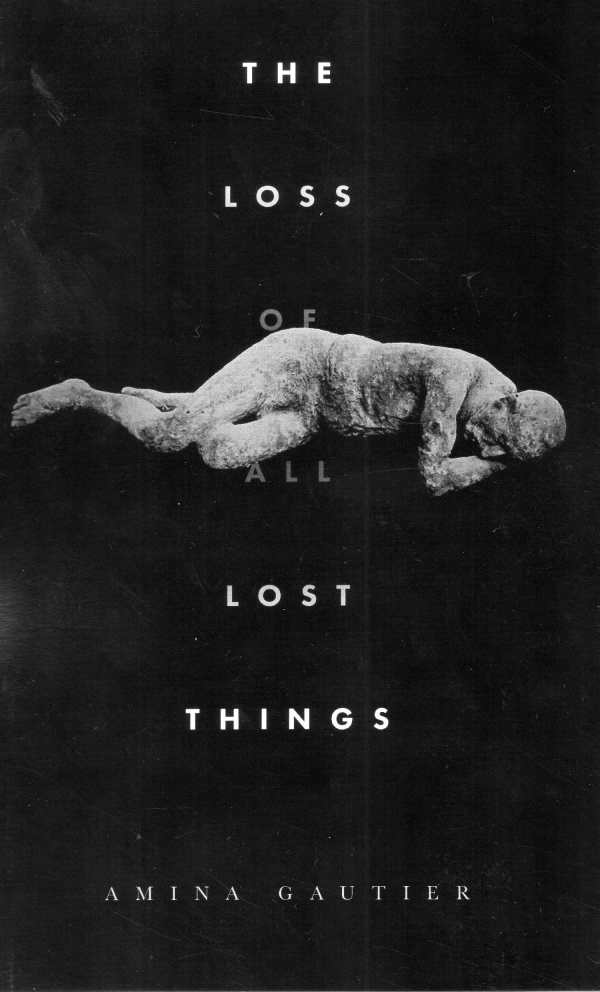
The Loss of All Lost Things: Stories — Amina Gautier (Elixir Press)
Amina Gautier’s debut collection of stories, At-Risk (2012), won the Flannery O’Connor Prize for Short Fiction. The follow-up, 2014’s Now We Will Be Happy, won the Prairie Schooner Book Prize in Fiction. The Loss of All Lost Things is her best work yet. Her characters have either suffered a loss, literally lost someone or something, or are at a loss to figure out what to do with their lives following a significant and often unexpected event.
Gautier’s ability to plumb the psyche of very complex characters will break your heart repeatedly. The Loss of All Lost Things is a dark and often disturbing collection, but Gautier is such a gifted storyteller, the characters and conflicts so compelling, the telling details so perfectly chosen, that you can’t turn away.
 READ HER LIKE AN OPEN BOOK