So many books are published each year that most of them get lost in the flood. As passionate readers, we try to keep up with our favorite genres, but even then you can miss books from independent publishers. That’s one of the reasons I feature small press books as often as I can. For today’s post, I gave some thought to recent books I liked that didn’t have the advantage of a publicity campaign to get them in front of the eyes of most readers.
The first book featured below, on the other hand, received a lot of attention upon publication, won the Center for Fiction’s First Novel Prize, and was also a finalist for five other literary awards. But it has faded from view in the last couple years, so I suspect a lot of people aren’t familiar with it. It was one of my favorite books of 2021.
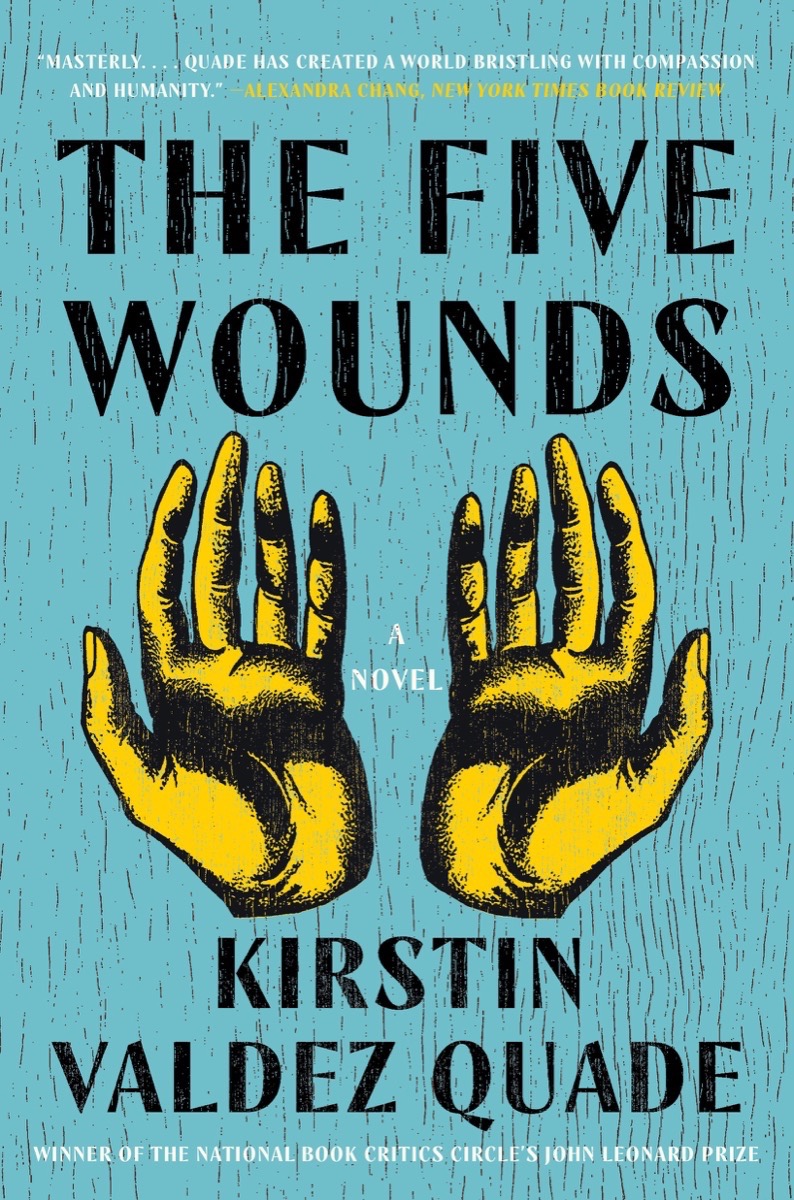
The Five Wounds by Kirstin Valdez Quade follows the Padilla family of Las Penas, New Mexico over the course of a year. Amadeo is a feckless 33-year-old living with his mother Yolanda; he’s unemployed and spends his days watching TV and drinking beer. It’s Holy Week and Amadeo has been given the role of Jesus in the Good Friday procession performed by the local Catholic men’s group. It’s the leader’s hope that this will put Amadeo on the right path after many years of self-destructive living. To everyone’s surprise, he is fervently committed to this chance at a rebirth and is preparing in the best method acting style.
But then his estranged 15-year-old daughter Angel shows up at Yolanda’s house, pregnant. She hopes Yolanda, the family’s heart and soul, will take her in and help her with the baby. And maybe she’ll be able to develop a relationship with her father, who has maintained a hands-off approach to parenthood.
Valdez Quade has a gift for bringing these flawed but very human characters to life. They can be supportive and loving but also unpredictable and frustratingly stupid and stubborn. You’ll alternate between wanting to hug them and give them a good shake. They misunderstand each other, nurse grudges, marinate in their low self-esteem, and seem to have little to no luck. But Angel’s presence is the catalyst for a series of events that manage, ever so tenuously, to pull things together. There is great tenderness, passion, humor, and hope in these pages.

To Lay to Rest Our Ghosts by Caitlin Hamilton Summie is a ten-story collection that deserves your attention. As the title suggests, Summie’s characters are at crossroads of various kinds; they are struggling for emotional independence, attempting to resolve long-standing conflicts (usually familial), and trying to make sense of a complex and confusing world. These are quiet, intimate stories driven by character more than plot, yet they are compelling in both their dramatic tension and often unsettling (but not unsettled) resolution.
Set mostly in rural and urban Minnesota, with detours to and New York City, these stories are probing examinations of the seemingly small, mundane moments that reverberate through our lives. Life-changing decisions or events do not always arrive in the form of violent confrontations or shocking accidents. Sometimes it’s as simple as looking at old family photo albums (as in “Patchwork”) or failing to show up at your grandfather’s deathbed because you just can’t bear it (as in “Geographies of the Heart”).
Summie’s empathy for her characters’ humanity is so strong, and her prose so lovely, that a palpable warmth emanates from the stories despite their physically frigid settings. Her first novel, Geographies of the Heart, showed that she is equally accomplished with the longer form.
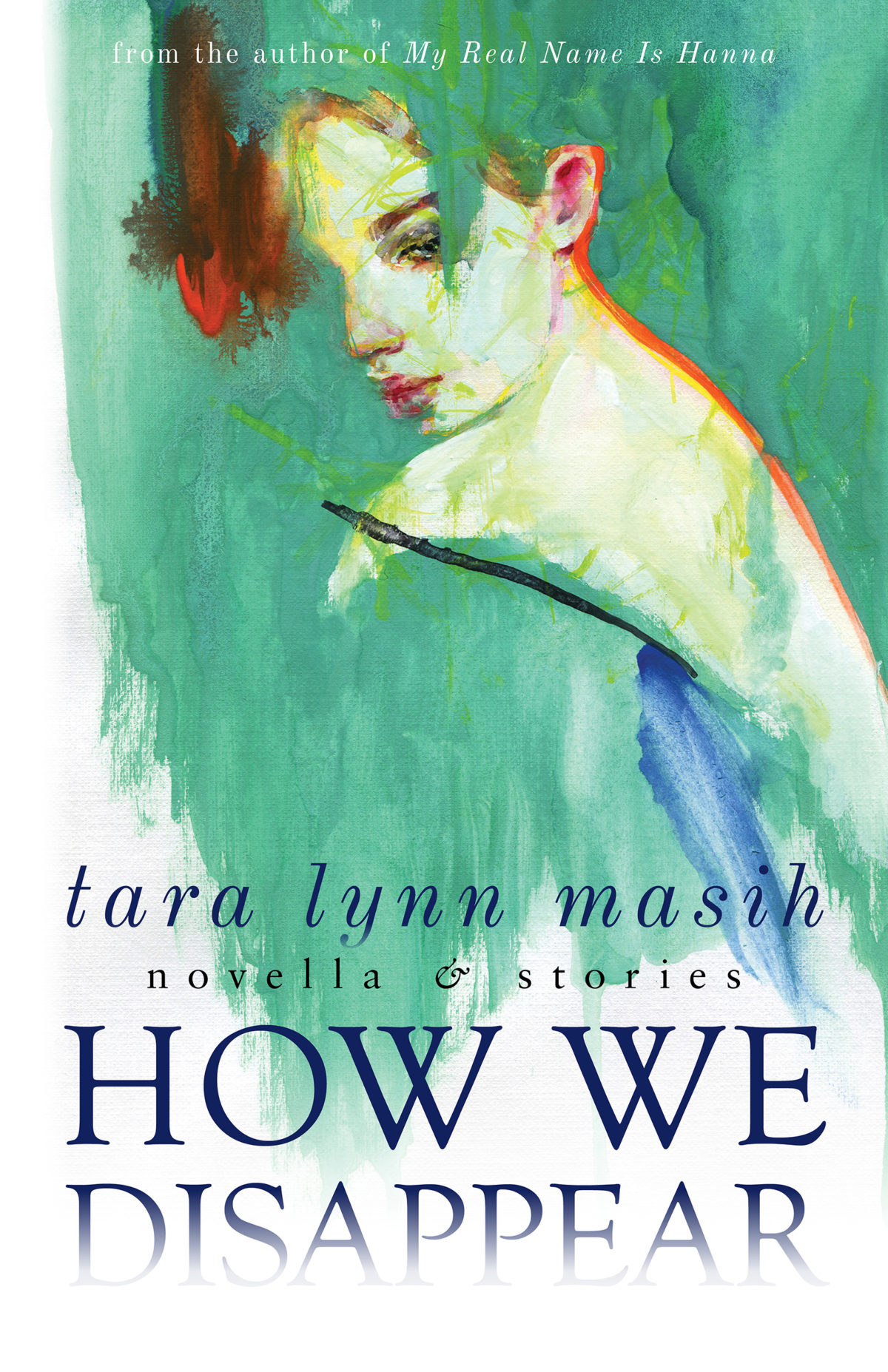
How We Disappear: Novella & Stories by Tara Lynn Masih is an impressive collection. Masih is a keen observer of the conflicts people face and the decisions they make, and she covers a lot of ground, literally and figuratively, with stories set in a wide range of times and places. Masih’s previous book, the YA novel My Real Name is Hanna, won the Julia Ward Howe Award for Young Readers and was a finalist for the National Jewish Book Award.
There is a sense of mystery and absence in most of these pieces. In the opening “What You Can’t See in the Picture,” a special investigator known as a super-recognizer uses an online database of photos and videos to search for a kidnapped girl. “Fleeing Gravity” follows an orphan of a Cree mother and White trapper who has visions and ultimately finds his place as the caretaker of a ghost town. In “Bird Man” the narrator’s father, a WWII pilot, crashed and died in Belgium, disappearing from her life when she was only three. Her mother told her that he was out there flying and would eventually return. Years later, she travels to Belgium and meets the elderly woman who adopted his grave 20 years earlier. “Agatha: A Life in Unauthorized Fragments” explores the legendary mystery writer’s famous 11-day disappearance in 1945 when her husband ran off with his longtime mistress.
It’s not unusual for adult children to become estranged from their parents. Sometimes it’s a psychological and emotional necessity, other times it’s simply the result of unfortunate events or misunderstandings. As the old saying goes, we don’t get to choose our family, and there’s no guarantee we will like each other, particularly as time goes on and we build separate lives.
It’s not unusual for adult children to become estranged from their parents. Sometimes it’s a psychological and emotional necessity, other times it’s simply the result of unfortunate events or misunderstandings. As the old saying goes, we don’t get to choose our family, and there’s no guarantee we will like each other, particularly as time goes on and we build separate lives.
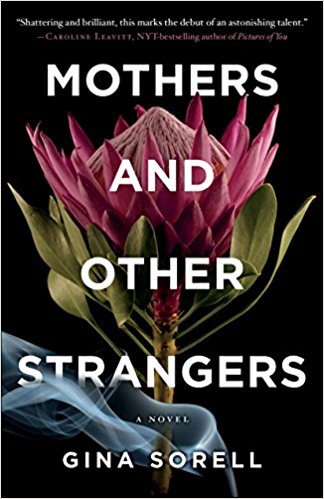
Mothers and Other Strangers by Gina Sorell explores this fraught territory with compelling results. It is a complex family drama, a dual character study, and a suspenseful mystery all in 300 pages. Elsie is 39 and an ex-dancer living in Los Angeles when she learns that her mother, Rachel, has passed away at home in Toronto. More than just physical distance separates them; they have not spoken in two decades. Rachel, it turns out, is what we used to call “a real piece of work.” She is a mean-spirited narcissist concerned with how she appears to others and who follows her own spiritual muse around the world. She is not interested in being a mother, even though her husband passed away when Elsie was an infant. So, Elsie grows up seeking her mother’s attention and approval, but receiving little of either, and ultimately doing her best to raise herself.
Elsie’s return to Toronto forces her to examine a past she’d long quarantined. The structure of Mothers and Other Strangers moves back and forth in time to reveal Elsie’s life, increasing the mystery and tension as the plot progresses. How did a child born in South Africa end up being raised in Canada? What really happened to her father? Why does she have nightmares involving a house fire? Why couldn’t her mother love her? Mothers and Other Strangers could have been written as a straight suspense novel or as a portrait of an exceptionally difficult mother-daughter relationship. Instead, Sorrel has combined the two to generally good effect.
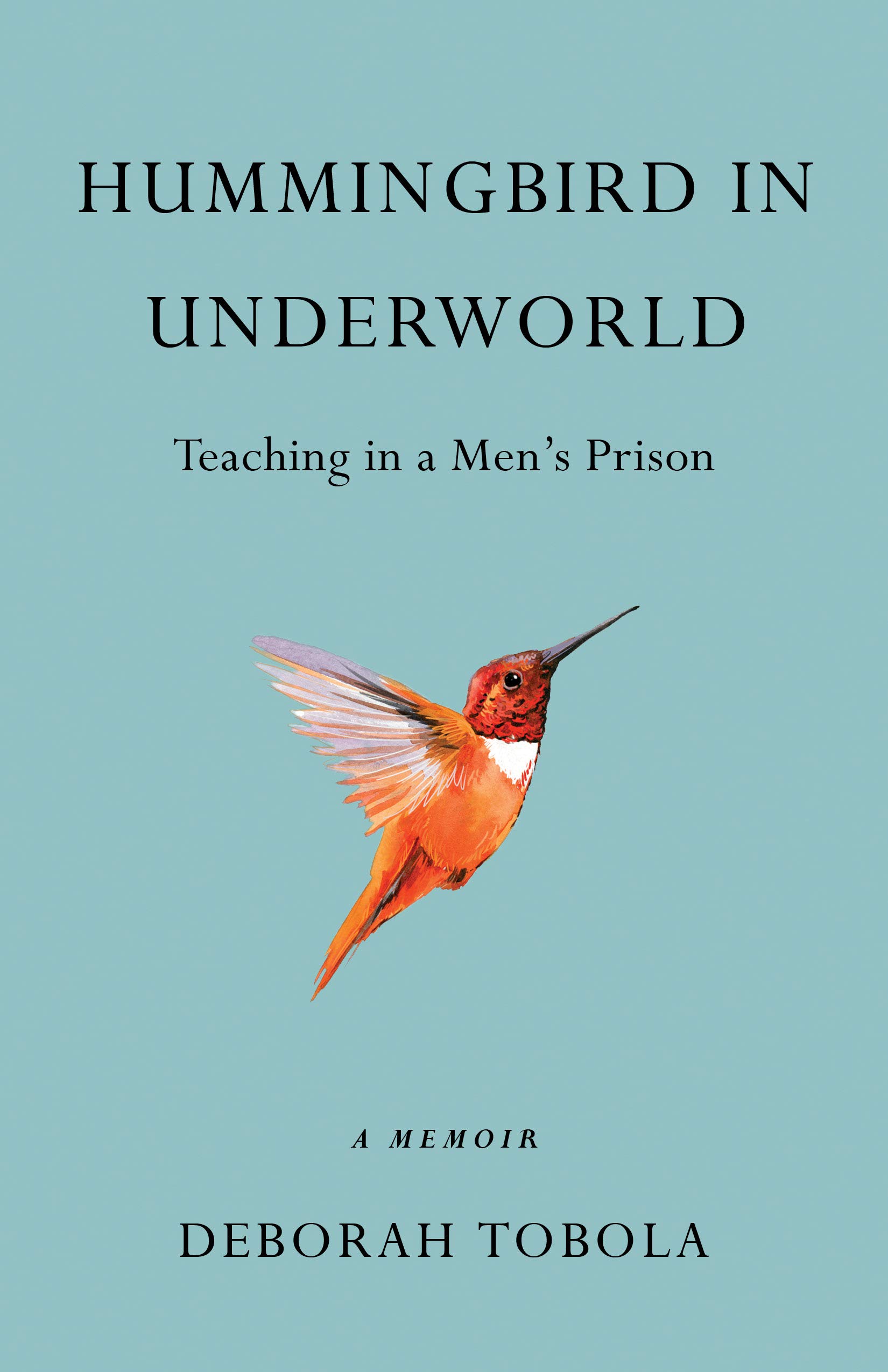
Hummingbird in Underworld: Teaching in a Men’s Prison introduces readers to Deborah Tobola, who has spent many years teaching in California prisons. She focuses on her experiences at the California Men’s Colony in San Luis Obispo, which is considered something of a resort among the state’s prisons. Tobola is hired to run the Arts in Corrections program, teaching literature, writing, and theater to the inmates. In an interesting coincidence, she had been born in SLO 45 years earlier when her father worked at the CMC but had led a peripatetic life, going to college in Montana and Arizona and working in Alaska before returning to the Central Coast.
Tobola’s memoir weaves two strands together effectively: her time at CMC and her unusually unsettled upbringing. Her father’s side of the family came from Bohemia (think Czechs), and she was in some ways raised as one of the boys by her father and uncles, a group of opinionated, rough-edged union men. While her two sisters were seen as “pretty girls” and were raised in constrained roles by their beautiful mother, Deb was a bookish, independent, and unorthodox young woman. The men viewed her with a mix of suspicion and grudging respect. Her family life would have made for a compelling memoir on its own, but it works well here as the foundation for her later life as a bohemian and as context for her work teaching prisoners.
Most of us have very little idea of what life is like inside a prison, and Tobola does us a service by showing us the difficulties and dilemmas faced by prisoners and staff alike. We meet a memorable cast of characters in her classes, some of whom have backgrounds that make one wonder why Tobola would risk being in close contact with them. But that’s the heart of the story: Underneath her tough exterior, she has a gifted and inspiring teacher’s idealism and empathy, and she believes that the arts can save one’s soul and free one’s mind, a valuable gift when one’s body is locked up for years, even decades.
 READ HER LIKE AN OPEN BOOK