I think we’ve all had the experience of reading a book that reminds us of another book, either because the subject matter and themes are similar or because they seem to be in conversation with each other. Sometimes it’s a memoir or biography that provides additional context for a novel; other times it’s two novels or story collections that deepen and enrich the content of the other.
In this post I discuss three pairs of books that I think of as “sister reads.” They go together like wine and cheese (or should I say tea and scones for this bookish audience?). I think they’d make great choices for a book club or a buddy read. Read on and see what you think.

Properties of Thirst (Simon & Schuster, 2022) takes place during WWII and is a family saga, a coming of age story, a love story, an examination of the water wars with Los Angeles Department of Water (which planned to take water from the Owens Valley), and a scathing look at the construction of the Manzanar internment camp for Japanese-Americans between Lone Pine and Independence. Marianne Wiggins is an acclaimed writer who deserves to be more widely read. Her 2003 novel, Evidence of Things Unseen, was a finalist for both the Pulitzer Prize and the National Book Award.
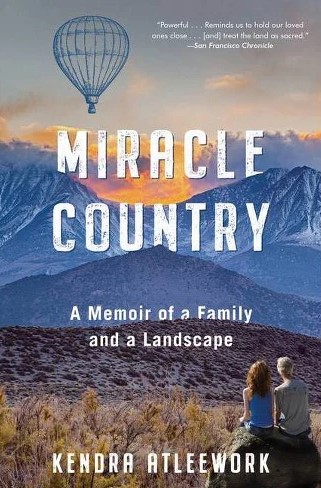
Miracle Country (Algonquin, 2020) is the story of the author’s family, running from the 1960s to the present, and their close ties to the harsh yet breathtaking landscape. Life in the isolated and drought-stricken Owens Valley is difficult, but for the type of people who choose to live there, it’s the only place where they feel at home. Kendra Atleework’s writing is probing yet compassionate and her prose evokes a strong sense of place. Now I know why my son and his wife take Highway 395 along the Eastern Sierra Nevada when they drive between their home in Lake Tahoe and Southern California (rather than the faster 5 or 99 freeways down the Central Valley).
These debut novels feature young women who are desperately trying to find themselves and a way out of the desolate, parched small towns in which they live.

In Godshot (Catapult, 2020), 14-year-old Lacey May is abandoned by her mother and comes under the sway of a preacher whose congregation has become a cult. Once she understands what it means to be “godshot,” she’s determined to escape. She tries everything she can think of to find her mother, believing there was a reason she left and that their relationship can be put right, but in doing so she finds a different kind of family. Set in a tiny farm town in California’s Central Valley, Godshot perfectly captures the personal impact of the community’s literal and moral drought.
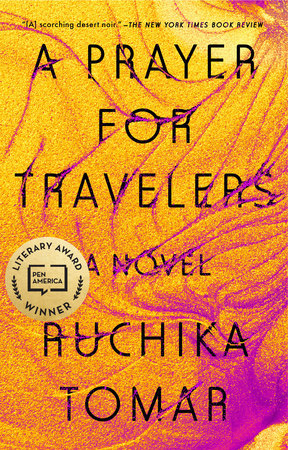
A Prayer for Travelers (Riverhead, 2019) is the story of Cale Lambert, who has been raised by her ailing grandfather in an isolated desert town on the California-Nevada border. When she takes a job waitressing at the local diner, she reconnects with Penny Reyes, the bad girl of her school years. Penny begins to break Cale out of her shell by exposing her to the hidden life in her town and beyond. But following a shocking act of violence, Penny disappears, and Cale becomes obsessed with tracking her down. A Prayer for Travelers is a compelling “desert noir” with the tense, wary mood of someone stuck in the middle of nowhere at 2 a.m.
Both novels are distinguished by a strong sense of place and by fiercely determined protagonists fighting to overcome a history of neglect and abuse. Chelsea Bieker confirmed that Godshot was no fluke with her follow-up, Heartbroke (2022), a stellar short story collection that works with similar themes and settings, and her 2024 novel Madwoman. I’m still waiting for Ruchika Tomar’s sophomore effort.
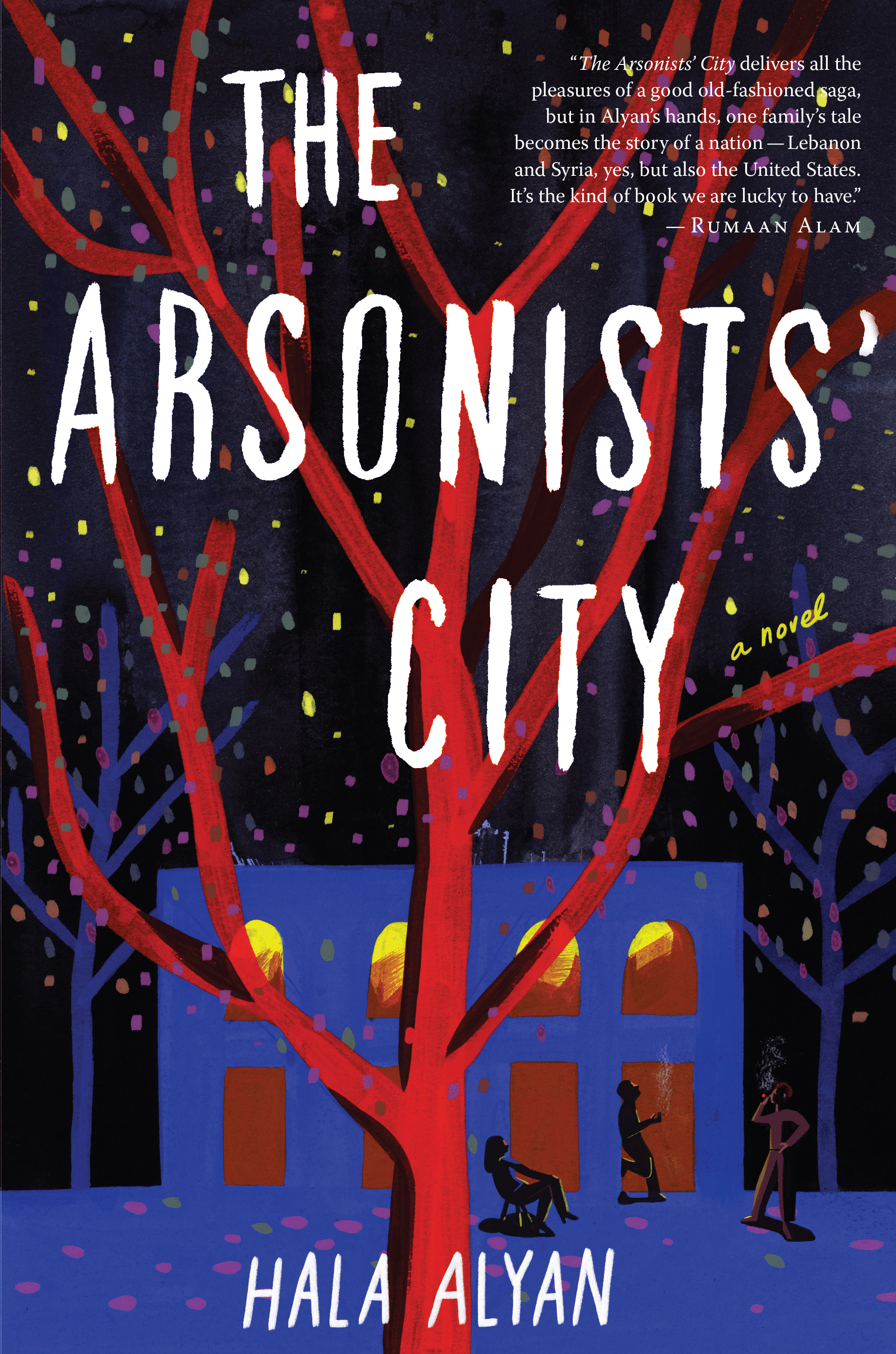
The Arsonists’ City (Harper, 2021) concerns the Nasrs, an Arab-American family based in the Southern California desert community of Blythe. The father, Idris, is a heart surgeon originally from Beirut, while the mother, Mazna, was a stage actress in Damascus before immigrating. Their three adult children are close-knit despite having relocated to Brooklyn, Austin, and Beirut. The plot is set in motion when Idris’s father dies, leaving their family home in Beirut empty. Idris surprises everyone when he announces that he plans to sell it; the house and Beirut, for better or worse, remain the family’s touchstone.
When everyone travels to Beirut to sort things out, various long-simmering conflicts come to the surface. The heart of the story is a long-held secret that played a key part in Idris and Mazna’s decision to emigrate to the U.S. These characters took up residence in my mind and eventually my heart. Hala Alyan sensitively probes each character’s life and the many tangled but loving relationships. Beirut is a vivid presence, whether the characters are at the beach, in crowded restaurants and clubs, or driving on streets dotted with military checkpoints. This is a passionate, bittersweet story that explores family life, immigration, and the fraught history of Lebanon and Syria.
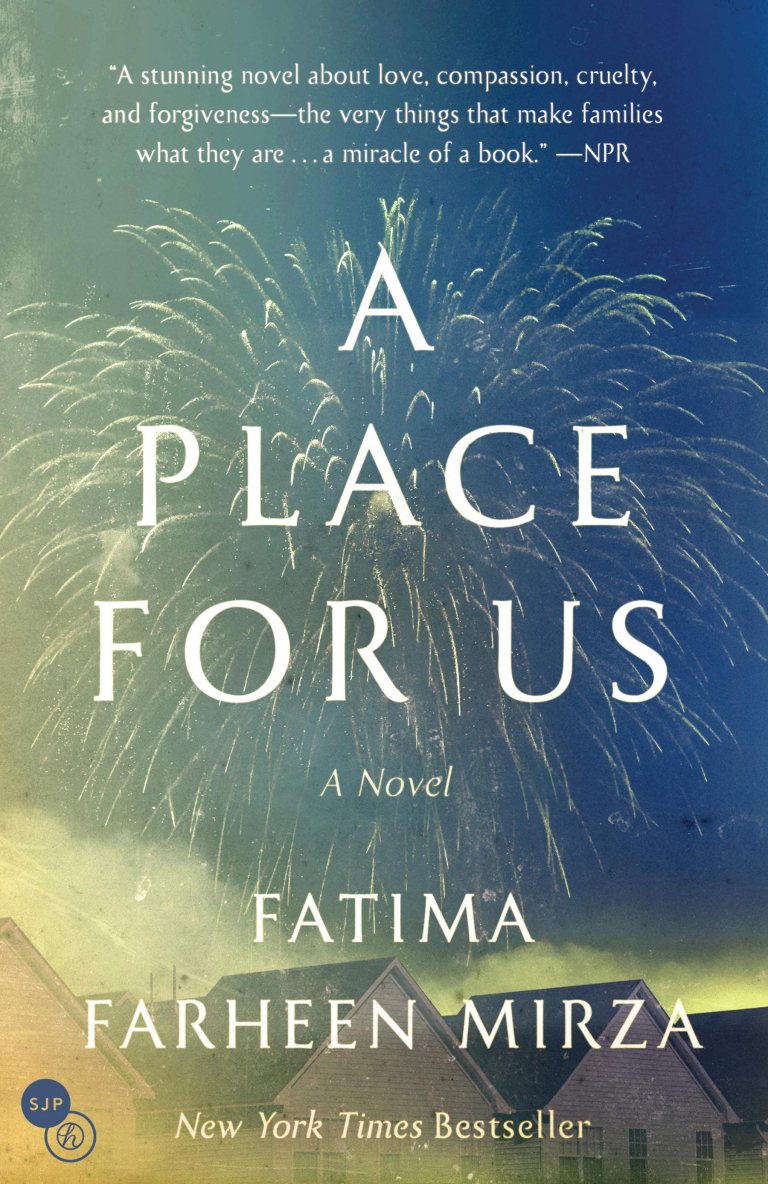
A Place for Us (SJP/Hogarth, 2018) was my favorite read of 2019. Like The Arsonists’ City, it uses a milestone event as the catalyst for revelations among a close-knit family, in this case, the eldest daughter’s wedding. The wrench in the works is Amar, the bride’s younger brother, who has been estranged from the family for three years. Mirza’s debut novel uses the story of one Indian-American Muslim family living in the Bay Area to examine issues of identity, family, and finding (or making) a place for oneself in the larger community. The writing is elegant, the characters are realistically complex, and the family’s struggle to remain bound together in love is deeply involving. I was spellbound for the entire 400 pages. I’ve been pressing A Place for Us on people for several years. Now it’s your turn to read it.
 READ HER LIKE AN OPEN BOOK