It’s been a busy summer, but I finally managed to break out of a reading slump and read several books. I decided to do mini reviews this time because I know everyone is distracted and preoccupied by, well, everything. It’s certainly been difficult for me to focus and gather my thoughts clearly enough to write.
Other books I’ve read and loved in the last couple weeks include A Dog in Georgia by Lauren Grodstein (Algonquin Books, Aug. 5), The Book of I by David Greig (Europa Editions, Sept. 9), The Rachel Incident by Caroline O’Donoghue (Vintage, 2023), and The White Girl by Tony Birch (Harper Via, 2022). They carried me away to Tbilisi, Georgia; a remote Scottish island in 825 CE; Cork, Ireland; and an isolated settlement in the Australian Outback. My plan is to post mini reviews of these books this weekend. So I know you’ll want to hang around for that. 😉
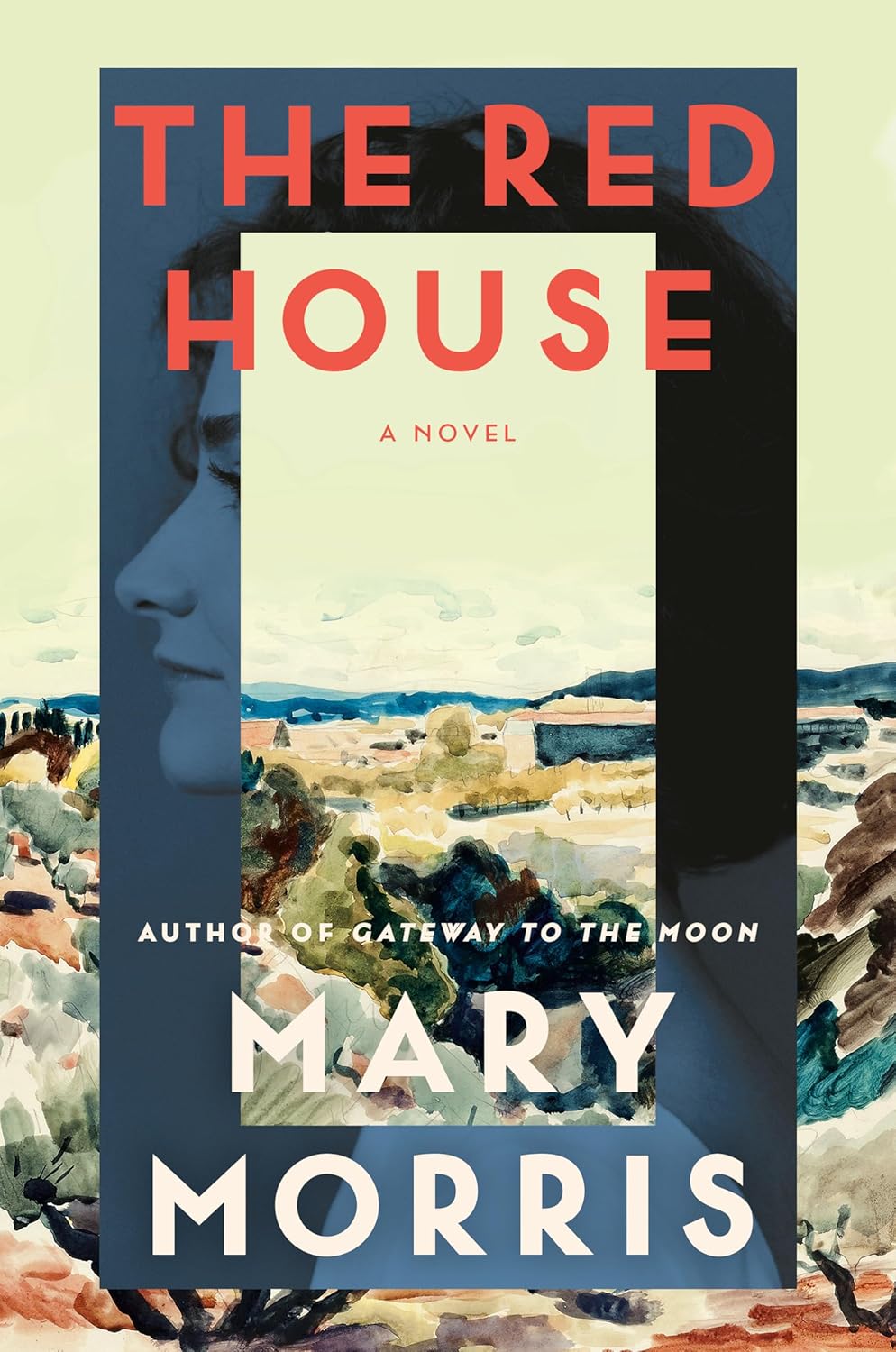
The Red House by Mary Morris (Doubleday, May 13)
Thirty years ago, Laura’s artist mother Viola simply walked out the door and was never heard from again. It was not a kidnapping, and there was no sign of an affair. Laura knew nothing about Viola’s life except that she was born and raised in Italy and married an American shortly after World War II. She had always claimed she was an orphan and refused to talk about her childhood. Obsessed with her mother’s disappearance, Laura decides to return to the Italy of her childhood to investigate her mother’s life. She suspects someone or something there holds the key to Viola’s disappearance. Maybe it has something to do with her mother’s paintings of a mysterious red house, each with the inscription “I will not be here forever.” Laura discovers a harrowing story of survival, a love story, and a way to begin making sense of her own troubled life and marriage. Mary Morris has written another smart, absorbing novel that moves back and forth in time to show the profound effects of trauma on young people.
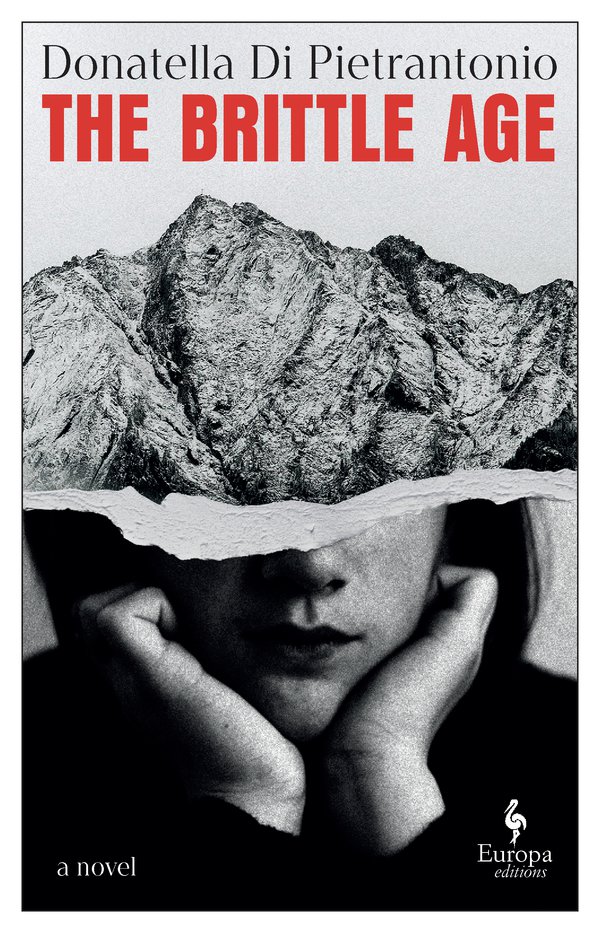
The Brittle Age by Donatella Di Pietrantonio (Ann Goldstein, translator) (Europa Editions, June 3)
Donatelle Di Pietrantonio is a popular and critically acclaimed author from Italy who doesn’t get the international attention she deserves. The Brittle Age won the 2024 Strega Prize, Italy’s most prestigious literary award. Based on the 1997 Morrone killings, in which two young women were attacked while on a hike, with one of them succumbing to her injuries. Di Pietrantonio tells the story through Lucia, a close friend of the victims who was supposed to be with them that day. After 30 years, she has mostly put the incident behind her until her daughter Amanda returns from her first year of college in Milan following an assault. The Brittle Age explores the mother-daughter relationship as Lucia revisits the events of the 1990s and her coming of age. This is a dark read full of mysteries created by men whose motivations and behavior are confusing and violent.
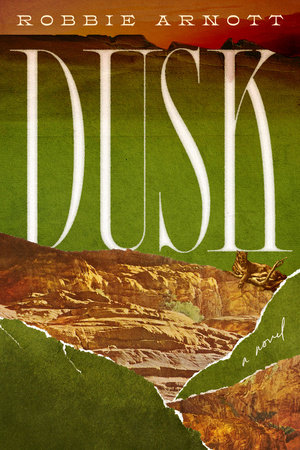
Dusk by Robbie Arnott (Astra House, Aug. 5)
Like fellow Australian writers Charlotte McConaghy, Tim Winton, and Peter Carey, Robbie Arnott creates literary magic with his remarkable prose and powerful sense of place. Set in the rugged highland terrain of Tasmania, Dusk is the story of twins Floyd and Iris, loners trying to outrun the infamy of their parents’ criminal history. They live on the edge of society and struggle to find work and peace. When they learn that a huge bounty is being offered to anyone who can kill a huge puma that has been terrorizing farmers in the highlands, they set out to try their luck.
Dusk is a slow burn, following them as they ride into a land they know nothing about and encounter landscapes and people that are completely alien. Arnott’s gift, besides his language, is the ability to create a mythic story that could be taking place in many places and yet is unmistakably Tasmania. The story is both universal and very particular. Floyd and Iris are seeking redemption from their parents and their childhood on the run, peace in body and mind, and a way forward in the land of the living. Arnott slowly turns the screw, increasing the sense of foreboding as the twins interact with an unforgiving natural world and a variety of characters who can’t be trusted. The legend of Dusk’s ferocity haunts them, but she is not the only threat to their lives. If Cormac McCarthy had been a Tasmanian, he would have written novels like Dusk. If this sounds like your cup of tea, you should also take a look at his earlier books, The Rain Heron and Limberlost.
 READ HER LIKE AN OPEN BOOK