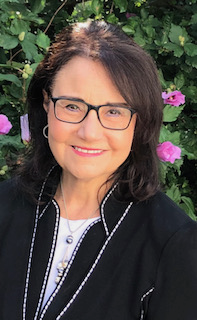
Ever since I have been writing, which may go back as far as the third grade, I have been told to “write what you know.” My first attempt at writing was poems, and they were based on my life – my friends, family, feelings, joys, and sorrows. I wrote poetry until I met my husband, a journalist, when I was in my early 20’s. He advised me, “Poetry doesn’t sell. No one cares about poetry. You should write prose.”
Although we did include one of my poems in our wedding ceremony, dutiful young bride that I was, I took my new husband’s advice and switched to prose. Through the years, while holding down a full-time job as a teacher and, later, school administrator, the mother of three sons, and part-time positions on newspapers and in public relations, prose became my medium. Once in a while, if I was particularly inspired, I’d write a poem, but I long ago ceased to think of myself as a poet. Even while working in my profession, I wrote cooking columns and profiles and covered local events.
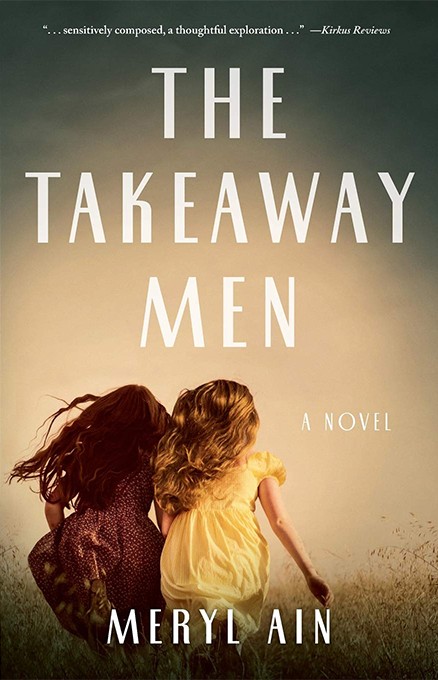
In 2014, my husband, brother and I put together The Living Memories Project, a book that included interviews of celebrities and others about how they kept their loved ones’ memory alive. In 2020, smack in the middle of the pandemic, my first novel, The Takeaway Men, was published, and then in 2023, its sequel, Shadows We Carry, was published. Both books were about a family of Holocaust survivors. While not the child of Holocaust survivors myself, it is a topic I have been reading and learning about since the sixth grade. I still wasn’t adhering to the maxim of “write what you know” because I did not have a family connection to the Holocaust.
About three years ago, I decided to try my hand at a different genre — short stories. I remember spending quite a bit of time in junior high school reading and dissecting short stories in our English class. But I don’t think the genre gets as much respect or notice nowadays as it once did.
During the pandemic I took some online classes and I began to steep myself in the work of master short story writers – both contemporary and classic. Of course, I reread all the venerable ones, including those by Chekhov, Hemingway, O. Henry, and de Maupassant. I also discovered and devoured stories by Nobel Laureate Alice Munro. I found that I adored the Olive Kitteridge books by Elizabeth Strout, with their strong characters in the fictional coastal town of Crosby, Maine. Olive was a memorable and quirky woman, and Strout’s first Olive Kitteridge book won the Pulitzer Prize in 2009. As a fan of Jhumpa Lahiri’s novels, I found that I also enjoyed her short stories. In addition, I was captivated and inspired by Hilma Wolitzer’s Today A Woman Went Mad in the Supermarket and Julie Zuckerman’s The Book of Jeremiah.
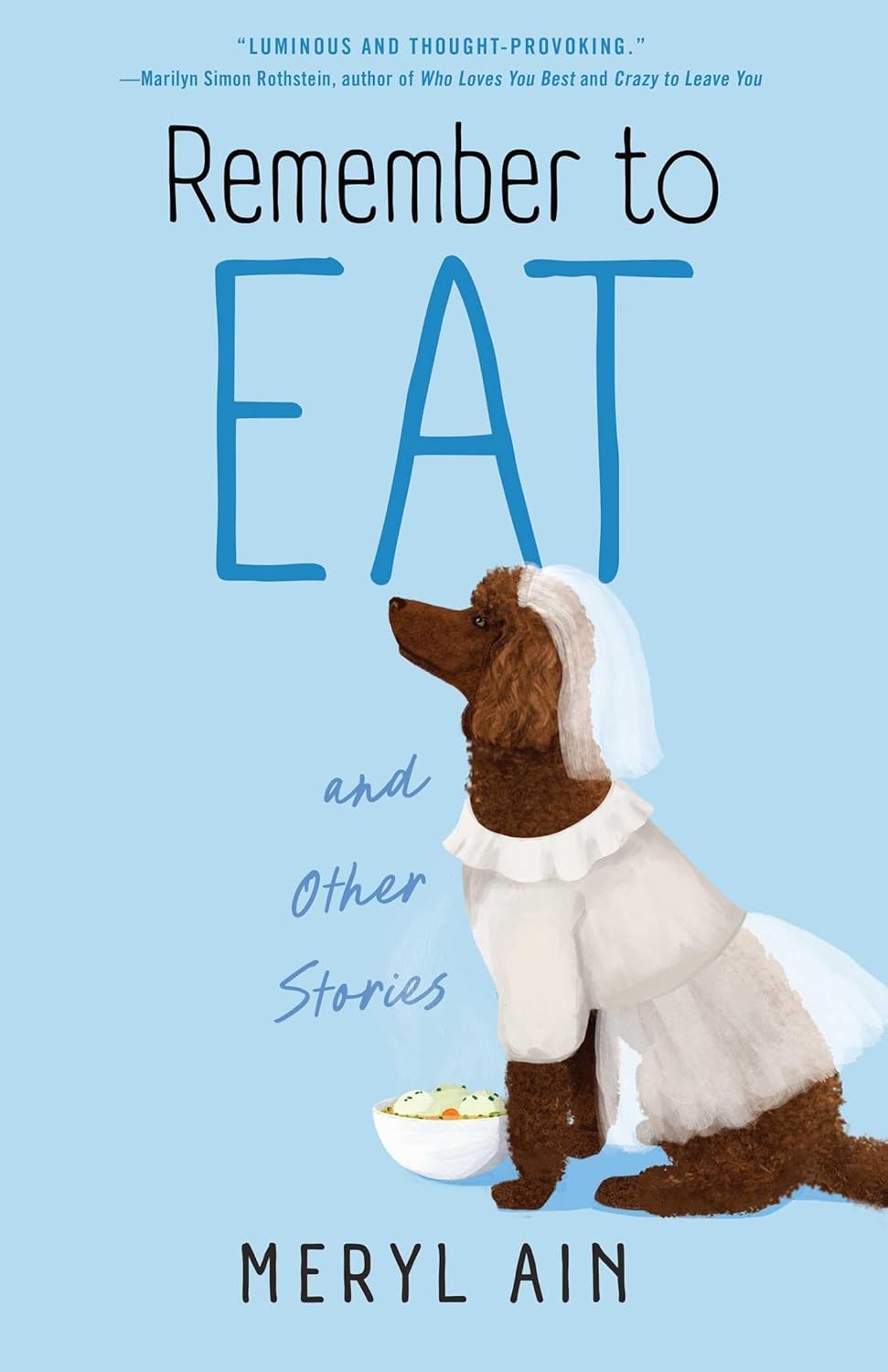
I decided that the short story was the vehicle that enabled me to write what I wanted to say. My new book, Remember to Eat (published on January 20), includes 22 short stories. The two main characters are Marjorie, a baby boomer, and her mother Alice, who is a member of The Greatest Generation. The genre allowed me to write about the range of issues their family encountered from pre-WWII to the present.
The “Marjorie” stories are set against the backdrop of real-life events, including the Covid pandemic, the Salk polio vaccine trials, antisemitism, the loss of loved ones, aging, family relationships, in-law issues, and the challenges of raising children. All of these are played out in the family setting.
The “Alice” stories in Remember to Eat are inspired by my mother’s childhood, youth, and army life. She enlisted in the Women’s Army Corps during WWII just days after she graduated from NYU. She had just seen a film, Hitler’s Children, and felt compelled to do her part in fighting the Nazi menace. The unpublished memoir that she wrote when she was 80 provided me with vivid details, which I fictionalized.
Writing short stories enabled me to portray Alice and Marjorie and their family dynamics over a considerable period of societal change, while exploring a myriad of issues. The genre allowed for the expression of a full range of emotions in different situations. It also gave me a great deal of satisfaction as I was writing and perfecting each story. Finally, after many years, I experienced the comfort and pleasure of writing what I know.
Meryl Ain is a writer, author, podcaster, and career educator. She is the author of two award-winning post-Holocaust novels, The Takeaway Men (2020) and Shadows We Carry (2023), and two non-fiction books. She is the host of the podcast People of the Book and the founder of the Facebook group, Jews Love To Read! She and her husband Stewart, a journalist, live on Long Island and spend winters in Boca Raton, Florida.
 READ HER LIKE AN OPEN BOOK